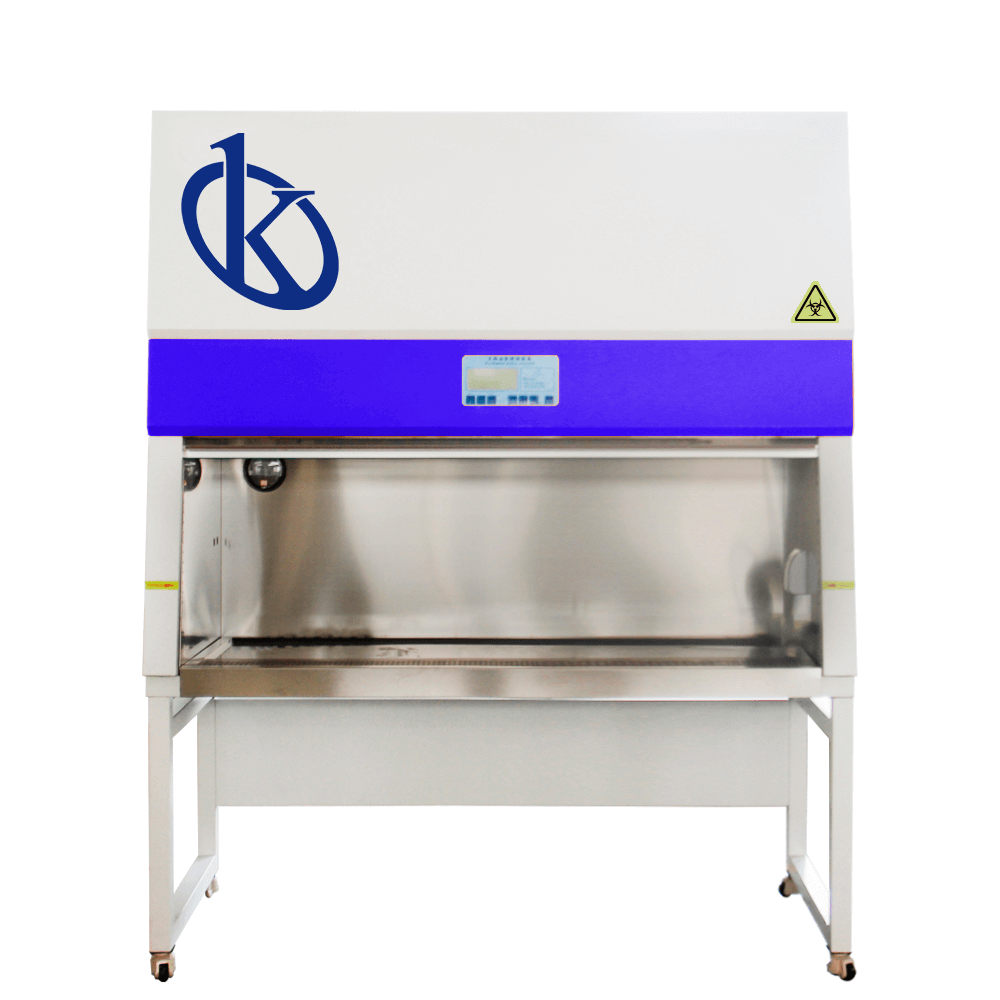
Maximizing ROI and Cost-Benefit Analysis for Biosafety Cabinets in Laboratories
Biosafety Cabinets are vital components in laboratories, ensuring both user safety and sample integrity. As laboratory budgets tighten, understanding the return on investment (ROI) and conducting a thorough cost-benefit analysis becomes essential. This article delves into the financial aspects of various Biosafety Cabinet models, equipping laboratory professionals with the knowledge needed to make informed purchasing decisions.
Understanding ROI and Cost-Benefit in Laboratory Settings
Return on Investment (ROI) refers to the value gained from an investment relative to its cost. In the context of Biosafety Cabinets, it encompasses not only the purchase price but also operational costs, maintenance, and potential risks mitigated by using these safety devices. A cost-benefit analysis evaluates the expected benefits against the incurred costs, helping laboratories justify their expenditures.
Key factors influencing ROI include initial investment, efficiency, durability, and compliance with safety regulations. When selecting a Biosafety Cabinet, understanding these elements ensures that laboratories can maximize their budgets while maintaining high safety standards.
Key Considerations for Cost-Benefit Analysis
When performing a cost-benefit analysis for Biosafety Cabinets, consider the following:
- Initial Purchase Cost: The upfront cost of the cabinet.
- Operational Costs: Costs associated with maintenance, energy consumption, and consumables.
- Longevity: The expected lifespan of the cabinet affecting depreciation.
- Safety Compliance: Potential fines and costs associated with non-compliance with regulations.
- Downtime Costs: Expenses incurred due to equipment failure or inefficiency.
Comparison of Available Models
| Model | Initial Cost (USD) | Operational Efficiency | Expected Lifespan | Best Use Case |
|---|---|---|---|---|
| YR05704 | 1600.00 | High | 10 years | General research and clinical labs |
| YR05705 | 1650.00 | High | 10 years | Clinical pathology labs |
| YR05706 | 2150.00 | Very High | 10 years | High-containment labs |
| YR0090-A | 1260.00 | Moderate | 8 years | Small lab setups |
| YR05270 | 2750.00 | Very High | 10 years | Biohazard containment |
| YR05271 | 2940.00 | Very High | 10 years | Complex biological research |
Evaluating the Financial Returns from Biosafety Cabinets
To truly understand the ROI of a Biosafety Cabinet, examine how each model performs in terms of safety, efficiency, and compliance costs. For instance, the YR05706 offers very high operational efficiency, making it ideal for high-containment labs where the risks are significant. While its initial investment is higher at $2150.00, the cost per test and reduced risk of contamination can lead to significant long-term savings.
Quantitative Breakdown of Costs
A detailed breakdown of costs can provide laboratories a clearer picture of expected ROI:
| Model | Initial Cost (USD) | Average Annual Maintenance (USD) | Expected Annual Savings from Compliance (USD) | Net ROI (%) |
|---|---|---|---|---|
| YR05704 | 1600.00 | 200.00 | 150.00 | 9.38 |
| YR05705 | 1650.00 | 250.00 | 200.00 | 11.36 |
| YR05706 | 2150.00 | 300.00 | 300.00 | 13.95 |
| YR0090-A | 1260.00 | 150.00 | 120.00 | 8.73 |
| YR05270 | 2750.00 | 400.00 | 400.00 | 14.55 |
| YR05271 | 2940.00 | 450.00 | 500.00 | 16.68 |
Common Mistakes and How to Avoid Them
When selecting a Biosafety Cabinet, laboratories often make several critical mistakes. Here are common pitfalls and how to avoid them:
- Ignoring Long-Term Costs: Focus on long-term savings rather than just initial costs. Calculate potential compliance and safety savings.
- Underestimating Maintenance: Regular maintenance is essential for safe operation. Budget adequately for ongoing expenses.
- Not Considering Space Requirements: Ensure the cabinet fits within your lab space without obstructing workflow.
- Overlooking Compliance Standards: Choose models that meet relevant health and safety regulations to avoid fines.
Frequently Asked Questions
How much does a YR05706 biosafety cabinet save in annual compliance costs?
The YR05706 biosafety cabinet can save around $300.00 annually in compliance costs due to its high operational efficiency and adherence to safety standards, making it a valuable investment for high-containment laboratories.
What are the ROI expectations for the YR05271 biosafety cabinet over five years?
The YR05271 biosafety cabinet has an expected ROI of approximately 16.68% over five years, factoring in its initial cost of $2940.00, maintenance costs, and expected savings from compliance.
Which biosafety cabinet is best for small laboratories with limited budgets?
The YR0090-A biosafety cabinet is ideal for small laboratories with limited budgets due to its lower initial cost of $1260.00 while still providing adequate safety and efficiency.
How can a laboratory calculate the cost per test for biosafety cabinets?
A laboratory can calculate the cost per test for a biosafety cabinet by dividing the total operational costs, including maintenance and energy expenses, by the number of tests performed annually, specific to the model used.
What is the average operational efficiency of the YR05704 biosafety cabinet?
The YR05704 biosafety cabinet boasts a high operational efficiency, making it suitable for general research and clinical labs where contamination risks are present. Its features ensure a safe working environment.
How can compliance costs influence the ROI of a biosafety cabinet?
Compliance costs significantly influence the ROI of a biosafety cabinet by affecting long-term savings. For instance, models like YR05706 reduce these costs by maintaining high safety standards, which lowers the risk of fines.
Which factors contribute to the longevity of biosafety cabinets?
Factors contributing to the longevity of biosafety cabinets include build quality, regular maintenance, operational environment, and adherence to safety protocols, all of which enhance their lifespan and operational efficiency.
Why is the YR05270 recommended for biohazard containment?
The YR05270 is specifically recommended for biohazard containment due to its robust design, HEPA filtration efficiency, and compliance with ISO standards, making it suitable for handling hazardous materials safely.
If you are looking for a fusion of innovation and quality, you have come to the right place. At Kalstein, we offer you the luxury of exploring our exclusive catalog of laboratory equipment. We manufacture every device to the highest standards of excellence. Our intuitive and seamless online purchasing channels are designed for your convenience, securing the most competitive prices. Hesitate no longer — we bring science to life, it is time to become part of our community.