Maximizing ROI and Cost-Benefit Analysis in Micro-Spectrophotometers: A Comprehensive Guide
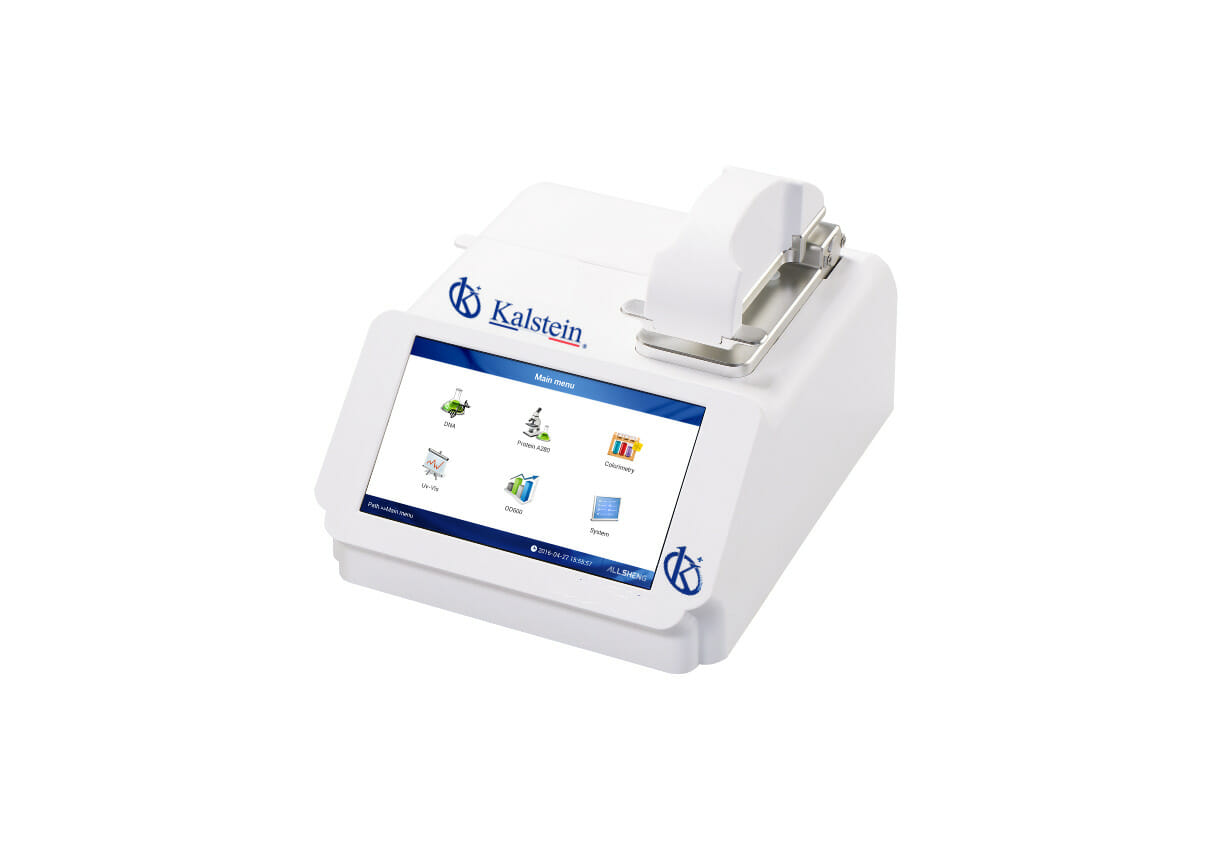
Micro-spectrophotometers are essential tools in modern laboratories, particularly for measuring the concentration and purity of nucleic acids and proteins. Understanding the return on investment (ROI) and conducting a thorough cost-benefit analysis is crucial for laboratory managers looking to optimize their equipment purchases. This guide explores the ROI potential of different micro-spectrophotometer models, focusing on their cost-effectiveness, operational benefits, and best practices for maximizing investment returns.
Understanding ROI in the Context of Micro-Spectrophotometers
The ROI for laboratory equipment can be quantified through several key performance indicators (KPIs) such as initial capital expenditure (CAPEX), operational expenditure (OPEX), and the expected lifespan of the equipment. In the case of micro-spectrophotometers, factors like sample volume, required throughput, and cost per test are vital for assessing ROI.
Micro-spectrophotometers like the YR06033-1 and YR06035 offer significant advantages with their low sample volume requirements (0.5-2 μl), which directly translates into reduced reagent costs and faster processing times. By investing in more efficient models, laboratories can expect a favorable ROI through both increased throughput and reduced operating expenses.
Cost-Benefit Analysis: Evaluating Your Equipment Choices
A cost-benefit analysis provides a framework for evaluating the financial impact of acquiring new laboratory equipment. It involves comparing the total costs of ownership against the benefits provided by the equipment over its operational life. For micro-spectrophotometers, costs include purchase price, maintenance, and consumables, while benefits often encompass increased efficiency and improved data quality.
The YR06034, for instance, has a lower purchase price of $2,520 compared to other models while still delivering critical functionalities for nucleic acid analysis. This cost advantage can be essential for smaller laboratories or educational institutions aiming for efficient operations without compromising quality.
Comparison of Available Models
| Model | CAPEX (USD) | Operating Cost per Test (USD) | Payback Period (Months) | Best Application Scenario |
|---|---|---|---|---|
| YR06033-1 | 5040.00 | 0.50 | 6 | General nucleic acid analysis |
| YR06034 | 2520.00 | 0.30 | 4 | Educational labs, low throughput |
| YR06035 | 6090.00 | 0.45 | 5 | High-throughput research |
Factors Influencing ROI in Micro-Spectrophotometers
Several key factors influence the ROI on micro-spectrophotometers, including:
- Sample Volume: The ability to analyze smaller volumes (<2 μl) reduces reagent waste and lowers costs.
- Measurement Speed: Faster measurement times improve throughput, allowing for more samples to be processed in a shorter period.
- Multi-functional Capabilities: Models like YR06035 that can measure both nucleic acids and bacterial concentrations provide added value.
Common Mistakes and How to Avoid Them
When investing in micro-spectrophotometers, laboratories often make common mistakes that can impact ROI:
- Overlooking Total Cost of Ownership: It's essential to consider not just the purchase price but maintenance and operational costs.
- Poorly Defined Needs: Ensure that the selected model aligns with your laboratory's specific needs, such as throughput and sample types.
- Neglecting Training: Proper staff training can significantly enhance the utilization of the equipment, maximizing ROI.
Best Practices for Maximizing ROI
To maximize ROI from micro-spectrophotometers, consider the following best practices:
- Regular Maintenance: Implement a schedule for regular maintenance and calibration to ensure consistent performance and longevity of the equipment.
- Utilize Data Management Systems: Integrate the micro-spectrophotometer with laboratory information management systems (LIMS) to enhance data integrity and streamline workflows.
- Training and Development: Invest in ongoing training for laboratory staff to improve proficiency and reduce errors.
Frequently Asked Questions
How can I calculate ROI for a micro-spectrophotometer in my lab?
To calculate ROI for a micro-spectrophotometer, gather data on purchase costs, operational expenses, and the expected increase in throughput. For instance, if the YR06034 costs $2,520 and reduces operating costs by $0.30 per test, assess the overall savings over its estimated lifespan to determine ROI.
Which features should I prioritize for micro-spectrophotometers in my laboratory?
Prioritize features such as wavelength range, sample volume capacity, and data output options. Models like the YR06035 with a range of 200-800 nm and low sample volume needs are particularly advantageous for diverse applications.
What is the average payback period for micro-spectrophotometers?
The average payback period varies by model and usage. For example, the YR06034 has a payback period of about 4 months, making it a cost-effective choice for many laboratories.
Can I integrate micro-spectrophotometers with existing lab systems?
Yes, many micro-spectrophotometers, including the YR06035, offer USB data output for easy integration with laboratory information management systems (LIMS), enhancing data collection and analysis workflows.
How do I ensure accurate measurements with micro-spectrophotometers?
To ensure accurate measurements, follow strict calibration protocols and utilize proper sample handling techniques. Regular maintenance of models like the YR06033-1 is also critical to maintain accuracy.
What are the operational costs of using micro-spectrophotometers?
The operational costs can vary based on the model and usage frequency. For example, the YR06034 has a lower operational cost per test of $0.30, making it ideal for budget-conscious labs.
How do micro-spectrophotometers compare to traditional spectrophotometers?
Micro-spectrophotometers, such as the YR06035, often require smaller sample volumes and provide faster measurements compared to traditional spectrophotometers, making them more efficient for specific applications.
What type of samples can I analyze with a micro-spectrophotometer?
Micro-spectrophotometers can analyze a variety of samples, including nucleic acids, proteins, and cellular solutions. Models like the YR06033-1 are versatile for multiple biochemical assays.
If you are looking for a fusion of innovation and quality, you have come to the right place. At Kalstein, we offer you the luxury of exploring our exclusive catalog of laboratory equipment. We manufacture every device to the highest standards of excellence. Our intuitive and seamless online purchasing channels are designed for your convenience, securing the most competitive prices. Hesitate no longer — we bring science to life, it is time to become part of our community.