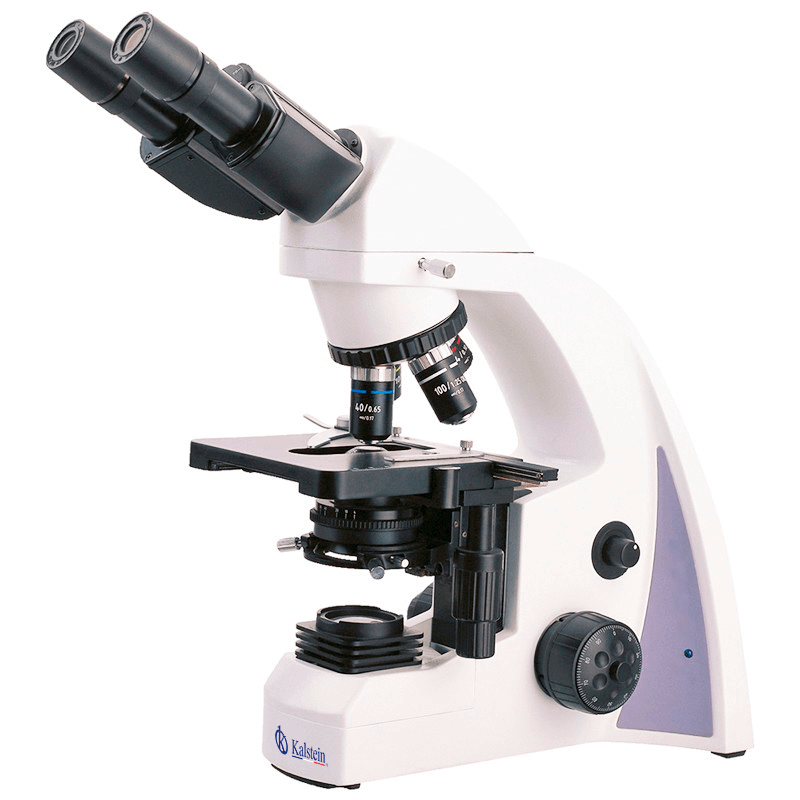
Maximizing ROI through Cost-Benefit Analysis for Laboratory Equipment
The evaluation of return on investment (ROI) and cost-benefit analysis (CBA) is essential for laboratories looking to enhance operational efficiency and make informed purchasing decisions. This article delves into key factors that drive ROI and presents a thorough comparison of various laboratory models, ensuring laboratory professionals can maximize their investments. Specifically, we will explore how different laboratory equipment can impact overall laboratory costs, productivity, and effectiveness.
Understanding ROI and Cost-Benefit Analysis in Laboratories
ROI is a financial metric that helps laboratories assess the profitability of their investments. It is calculated by subtracting the initial investment cost from the gain derived from the investment, then dividing this number by the initial investment cost. Cost-benefit analysis, on the other hand, involves comparing the costs of a project or equipment against the benefits it provides, both tangible and intangible. Understanding these concepts is crucial for laboratory decision-makers.
Key Components of an Effective Cost-Benefit Analysis
A comprehensive cost-benefit analysis should encompass various components, including:
- Initial Investment Costs: Equipment purchase price, installation, and training costs.
- Operating Costs: Day-to-day expenses such as maintenance, utilities, and consumables.
- Revenue Generation: Income generated from tests performed or services provided using the equipment.
- Intangible Benefits: Improvements in lab efficiency, accuracy, or safety.
Factors Influencing ROI in Laboratory Equipment
Several factors can significantly influence ROI in laboratory settings:
- Equipment Efficiency: The speed and accuracy of results can increase throughput and customer satisfaction.
- Downtime: Minimizing equipment downtime during maintenance or repairs enhances productivity.
- Training and Support: Adequate training ensures staff can operate equipment effectively, maximizing its potential.
Comparison of Available Models
| Model | CAPEX (USD) | Cost per Test (USD) | Payback (Months) | Recommended Scenario |
|---|---|---|---|---|
| YR0237-0-1 | 437.00 | 0.50 | 10 | Small labs with limited usage |
| YR0237-1 | 491.00 | 0.55 | 11 | Medium labs with moderate testing |
| YR0237-1-1 | 448.10 | 0.52 | 10 | Small to medium labs |
| YR03731-1 | 13.00 | 0.05 | 2 | High-throughput testing environments |
| YR03731-2 | 13.00 | 0.05 | 2 | High-throughput testing environments |
| YR03731-3 | 13.00 | 0.05 | 2 | High-throughput testing environments |
Common Mistakes and How to Avoid Them
When conducting ROI and cost-benefit analyses, laboratories often make common mistakes that can lead to poor decision-making:
- Ignoring Indirect Costs: Always include indirect costs such as downtime, training, and maintenance.
- Overestimating Benefits: Be conservative when estimating potential revenue and benefits derived from the equipment.
- Neglecting Future Trends: Consider future technological advancements that may affect the equipment’s relevance.
How to Calculate ROI for Laboratory Equipment
Calculating ROI involves a straightforward formula:
ROI = (Net Profit / Cost of Investment) x 100
For instance, if a laboratory invests $491.00 in the Laboratory Microscope YR0237-1 and it generates a net profit of $150.00, the ROI would be:
ROI = ($150 / $491) x 100 = 30.55%
This level of return can justify the investment, especially for medium labs with moderate testing demands.
Evaluating Laboratory Equipment with Cost-Benefit Analysis
For each piece of laboratory equipment, performing a cost-benefit analysis allows you to thoroughly evaluate its worth. Start by listing all costs associated with the equipment, including acquisition, maintenance, and operation costs. Next, list the anticipated benefits, which may include increased productivity, reduced time per test, or enhanced accuracy. This stark comparison often reveals whether the investment is justified.
Frequently Asked Questions
What factors should be considered in the ROI for laboratory equipment?
Key factors to consider include initial investment costs, operational expenses, maintenance, and the expected increase in productivity. For example, considering a model like the YR0237-1 with a price of $491.00, you should analyze how its efficiency can lead to quicker test results and potentially higher revenue generation.
How does maintenance impact the ROI of laboratory instruments?
Maintenance directly affects the ROI by impacting equipment uptime and efficiency. For example, the Laboratory Microscope YR0237-0-1, priced at $437.00, will require routine maintenance that can influence operational costs, thus affecting overall profitability.
Which models are best for high-throughput laboratories looking for ROI?
Models such as the Fluid Handling Pipettes YR03731-1, YR03731-2, and YR03731-3, all priced at $13.00, are ideal for high-throughput laboratories. Their low cost per test and high accuracy can significantly contribute to a higher ROI.
How do I identify the right laboratory equipment based on cost-benefit analysis?
Identify equipment that aligns with your laboratory's specific needs and budget. For instance, the Laboratory Microscope YR0237-1 with a cost of $491.00 offers features that may provide significant benefits, thus justifying its investment through a thorough cost-benefit analysis.
What is the relationship between equipment cost and laboratory efficiency?
The right equipment can enhance laboratory efficiency by reducing test time and improving accuracy. For example, the Laboratory Microscope YR0237-1 can enhance workflow efficiency, which is critical for maintaining a competitive edge in laboratory services.
How much ROI can I expect from different laboratory equipment models?
ROI varies depending on the model and its use case. For example, the YR03731-1 pipette has a low entry cost of $13.00 and can yield high productivity in sample handling, resulting in faster payback periods and increased profitability for the lab.
What role does equipment training play in improving ROI?
Proper training ensures that laboratory staff can utilize the equipment effectively, maximizing its capabilities. For example, investing in training for the Laboratory Microscope YR0237-1 can significantly enhance ROI by ensuring staff operates the equipment proficiently, minimizing errors, and maximizing throughput.
How do consumables affect the cost-benefit analysis of laboratory equipment?
Consumables directly impact the operational costs of laboratory equipment. For example, if the Laboratory Microscope YR0237-0-1 incurs high costs in consumables, this will affect the overall cost-benefit analysis and ROI calculations.
If you are looking for a fusion of innovation and quality, you have come to the right place. At Kalstein, we offer you the luxury of exploring our exclusive catalog of laboratory equipment. We manufacture every device to the highest standards of excellence. Our intuitive and seamless online purchasing channels are designed for your convenience, securing the most competitive prices. Hesitate no longer — we bring science to life, it is time to become part of our community.