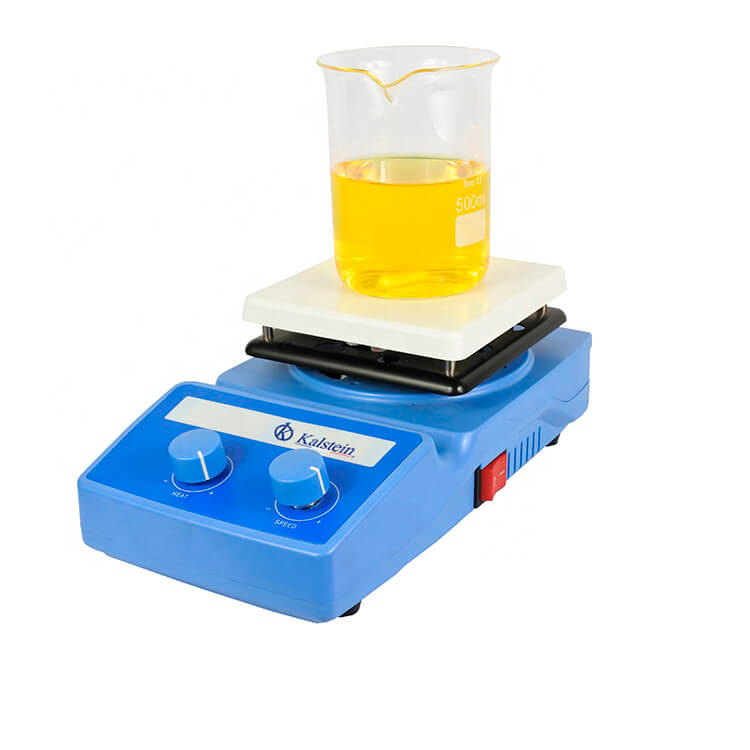
Maximizing ROI through Cost-Benefit Analysis of Analog Ceramic Top Hotplate Stirrers
In today’s competitive laboratory environment, understanding the return on investment (ROI) related to laboratory equipment is crucial. This is particularly true for Analog Ceramic Top Hotplate Stirrers, which are widely used in various applications like chemistry and biology. By performing a thorough cost-benefit analysis, laboratories can make informed decisions that enhance operational efficiency and reduce overall costs.
Understanding Cost-Benefit Analysis in Laboratory Equipment
Cost-benefit analysis (CBA) is a systematic approach to estimating the strengths and weaknesses of alternatives used for decision-making. It is particularly useful in laboratory settings to assess the profitability and effectiveness of various equipment, including hotplate stirrers. The primary components of CBA include calculating total costs (both fixed and variable) and comparing these costs against the anticipated benefits.
For example, when considering the purchase of Analog Ceramic Top Hotplate Stirrers, a laboratory would evaluate costs such as initial purchase price, maintenance, energy consumption, and labor associated with operation. On the benefits side, factors like increased efficiency, reduced time for mixing samples, and improved accuracy are weighed against these costs.
Comparison of Available Models
| Model | CAPEX (USD) | Cost per Test | Payback Period (Months) | Recommended Scenario |
|---|---|---|---|---|
| YR02933 | 125.00 | N/A | N/A | Low-volume mixing tasks |
| YR02934 | 152.00 | N/A | N/A | Medium-volume experiments |
| YR02935 | 190.00 | N/A | N/A | High-efficiency applications |
| YR02936 | 265.00 | N/A | N/A | Large-scale mixing operations |
Evaluating Energy Efficiency for Better ROI
Energy consumption is a vital aspect of total operating costs for any laboratory equipment. The Analog Ceramic Top Hotplate Stirrers have varying power ratings, which directly impact their energy usage. For instance, the YR02935 model has a heating power of 750W, which may be more economical for high-volume applications due to its quicker heating times. Evaluating these power specifications helps identify the best model for minimizing energy costs while maximizing throughput.
Laboratory Scenarios and Applications
When selecting a hotplate stirrer, it's essential to align the equipment capabilities with the specific laboratory applications. For example, the YR02934 model, with its PID automatic temperature control, is ideal for experiments requiring precise thermal conditions. Conversely, the YR02936 model's larger heating surface is suited for high-capacity mixing tasks, ensuring that laboratories can optimize workflows by choosing the correct model for each scenario.
Common Mistakes and How to Avoid Them
Laboratories often make critical mistakes when purchasing equipment without adequate analysis of their specific needs. Common pitfalls include overestimating the required features, underestimating operational costs, and neglecting to assess compatibility with existing systems. To avoid these errors, laboratories should carry out a comprehensive needs assessment, including user feedback and operational demands, before making a purchase decision.
Cost Analysis: CAPEX vs. OPEX
Understanding the difference between capital expenditures (CAPEX) and operating expenses (OPEX) is crucial for effective financial planning. CAPEX includes the initial purchase cost of hotplate stirrers, while OPEX covers ongoing costs such as energy consumption, maintenance, and labor. By analyzing these costs, laboratories can determine the total cost of ownership of different models, aiding in budget allocation and long-term planning.
Frequently Asked Questions
How can I calculate the ROI of an Analog Ceramic Top Hotplate Stirrer?
Calculating ROI involves comparing the total costs of the hotplate stirrer, such as the YR02935 model at $190, against the benefits gained from its use, such as increased efficiency and reduced processing time. The formula is (Net Profit / Cost of Investment) x 100.
What are the energy consumption rates of different hotplate stirrers?
Energy consumption rates vary among models. The YR02935, for example, operates at 750W, making it suitable for high-demand applications while optimizing energy use. Monitoring these rates helps in planning budgets effectively.
Which Analog Ceramic Top Hotplate Stirrer is best for low-volume applications?
The YR02933 model, priced at $125, is ideal for low-volume applications due to its compact design and straightforward operation. This choice can effectively minimize costs while fulfilling specific laboratory needs.
How does operational efficiency impact the selection of hotplate stirrers?
Operational efficiency directly influences the choice of hotplate stirrers. Models like the YR02936, with its larger surface area and faster heating capabilities, can significantly reduce processing times for large-scale experiments, enhancing laboratory productivity.
What’s the average payback period for investing in a hotplate stirrer?
The payback period varies based on usage and model. For instance, if a laboratory saves $100 monthly using the YR02934 model, which costs $152, the payback would be approximately 1.5 months, making it a financially sound investment.
How important is temperature control in hotplate stirrers?
Temperature control is critical for accuracy in experiments. The YR02934 model features PID temperature control, ensuring precise thermal regulation, which is vital for sensitive chemical reactions and biological assays.
What factors should I consider when purchasing a hotplate stirrer?
Key factors include the application's specific needs, energy consumption, size, and cost of the models you're considering. Analyzing these aspects ensures that you select a model that maximizes efficiency and minimizes operational costs.
Conclusion
Maximizing ROI through informed decisions regarding Analog Ceramic Top Hotplate Stirrers is achievable with thorough cost-benefit analysis and strategic selection. By understanding individual model capabilities and aligning them with laboratory needs, professionals can enhance operational efficiency and reduce costs.
If you are looking for a fusion of innovation and quality, you have come to the right place. At Kalstein, we offer you the luxury of exploring our exclusive catalog of laboratory equipment. We manufacture every device to the highest standards of excellence. Our intuitive and seamless online purchasing channels are designed for your convenience, securing the most competitive prices. Hesitate no longer — we bring science to life, it is time to become part of our community.