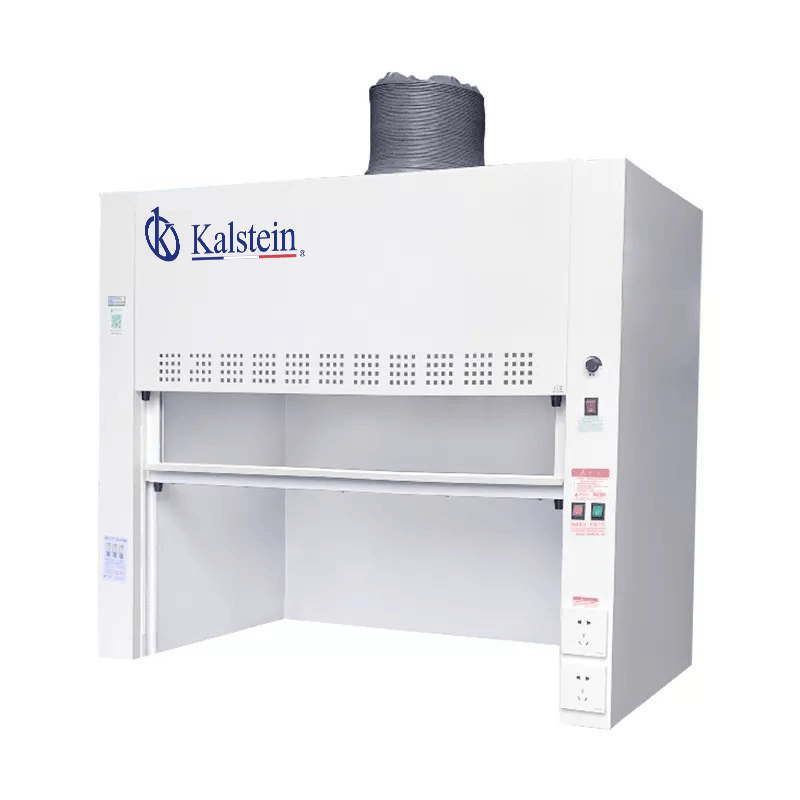
Maximizing ROI and Cost-Benefit Analysis for Fume Hood Cabinets
Fume hood cabinets are essential for maintaining safety and compliance in laboratory environments. As laboratory budgets tighten, understanding the return on investment (ROI) and conducting a thorough cost-benefit analysis is crucial for laboratory managers and decision-makers. This article explores effective strategies for evaluating fume hood cabinets, comparing various models, and determining the best options for your laboratory's needs.
Understanding ROI and Cost-Benefit Analysis for Fume Hood Cabinets
ROI measures the efficiency of an investment, indicating how much return is generated relative to its cost. Conducting a cost-benefit analysis helps laboratory managers weigh the advantages of different fume hood cabinets against their expenses. Factors influencing ROI include initial purchase costs, maintenance, energy consumption, and potential impact on laboratory productivity.
Comparison of Available Models
| Model | CAPEX (USD) | Cost per Use (USD) | Payback Period (months) | Recommended Scenario |
|---|---|---|---|---|
| YR05808 | 390.00 | 3.00 | 12 | Basic chemical labs |
| YR05809 | 420.00 | 3.50 | 13 | Small research labs |
| YR05810 | 470.00 | 4.00 | 14 | Medium labs with high throughput |
| YR05811 | 508.00 | 4.20 | 15 | Large laboratories |
| YR05812 | 526.00 | 4.50 | 16 | Specialized applications |
| YR05813 | 610.00 | 5.00 | 18 | Advanced research settings |
Key Considerations in Cost-Benefit Analysis
When performing a cost-benefit analysis for fume hood cabinets, several factors must be considered:
- Initial Cost: Assess the upfront price of each model, including installation.
- Maintenance Expenses: Factor in the cost of routine maintenance and potential repairs.
- Energy Consumption: Evaluate the energy efficiency of each fume hood cabinet to determine ongoing operational costs.
- Labor Productivity: Consider how effectively each model can enhance productivity, possibly reducing time lost due to inefficiencies.
- Compliance with Safety Standards: Ensure that each model meets necessary health and safety regulations, as penalties for non-compliance can be costly.
Maximizing Efficiency and Safety
Fume hoods must not only be cost-effective but also ensure the safety of laboratory personnel. Features to look for include:
- Airflow Management: Proper airflow is essential for the safe removal of hazardous vapors. Models such as YR05810 feature adjustable airflow settings.
- Material Durability: Epoxy-coated steel construction, as seen in all the models, offers robustness and resistance to chemical spills.
- Integrated Lighting: Good visibility within the fume hood improves safety and working conditions, with models like YR05809 incorporating LED lighting.
Common Mistakes and How to Avoid Them
When selecting fume hood cabinets, laboratory managers often make mistakes that can impact ROI:
- Ignoring Total Cost of Ownership: Focus solely on initial costs without considering long-term expenses.
- Neglecting Compliance: Failing to evaluate whether models meet necessary safety standards can lead to significant penalties.
- Overlooking User Feedback: Not considering how well the fume hood meets the actual needs of laboratory personnel can result in reduced productivity.
Frequently Asked Questions
What is the expected ROI from fume hood cabinets in chemical laboratories?
The expected ROI from fume hood cabinets, such as the YR05812 model, can be around 20% when considering reduced operational costs and increased safety compliance, leading to fewer incidents. This calculation depends on initial investment and ongoing expenses.
How do I assess the energy efficiency of fume hood cabinets?
To assess energy efficiency, look for models like YR05810 that provide adjustable airflow and consume less energy. Calculating kWh used per work shift can provide insight into long-term operational costs.
Which fume hood cabinets are best for high-throughput laboratories?
For high-throughput laboratories, models like YR05811 offer efficient airflow management and ample workspace, enhancing productivity and safety during extensive chemical experiments.
How can I reduce the costs associated with fume hood maintenance?
Employ preventive maintenance strategies with models like YR05809, which is designed for easy maintenance access. Regular inspections can help identify issues before they escalate into costly repairs.
What compliance standards should fume hood cabinets meet?
Fume hood cabinets should comply with safety standards like ANSI/ASHRAE 110 for performance testing. Models like YR05808 ensure compliance with essential safety regulations, protecting laboratory staff.
How does the choice of fume hood cabinet impact laboratory safety?
The choice of fume hood cabinet, such as YR05813, significantly impacts laboratory safety by providing proper airflow and containment of hazardous materials, thus reducing exposure to harmful fumes.
What are the benefits of using epoxy-coated steel fume hoods?
Epoxy-coated steel fume hoods, like the YR05810 model, offer chemical resistance and durability, making them suitable for diverse laboratory environments and reducing long-term repair costs.
How can laboratory managers optimize the use of fume hood cabinets?
Laboratory managers can optimize fume hood cabinet use by selecting models with adjustable settings, such as YR05811, to match current workflow needs and ensure maximum efficiency and safety.
If you are looking for a fusion of innovation and quality, you have come to the right place. At Kalstein, we offer you the luxury of exploring our exclusive catalog of laboratory equipment. We manufacture every device to the highest standards of excellence. Our intuitive and seamless online purchasing channels are designed for your convenience, securing the most competitive prices. Hesitate no longer — we bring science to life, it is time to become part of our community.