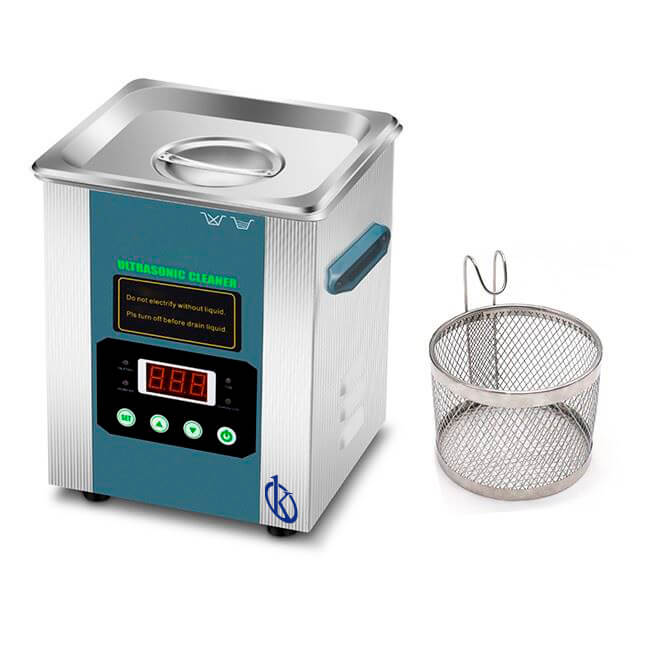
Maximizing ROI and Cost-Benefit Analysis with Digital Display Ultrasonic Cleaners
In laboratory environments, the quest for maximizing return on investment (ROI) and conducting thorough cost-benefit analyses is crucial for success and sustainability. Digital display ultrasonic cleaners represent a great asset in this regard. These devices not only enhance cleaning efficiency but also provide significant cost savings over time. This article will delve into the various models available within this category, assessing their performance through the lens of ROI and cost-benefit considerations.
Understanding ROI and Cost-Benefit Analysis in Laboratories
ROI is a critical metric used to evaluate the efficiency of an investment. For laboratories, understanding how digital display ultrasonic cleaners can contribute to ROI involves analyzing both capital expenditures (CAPEX) and operational expenditures (OPEX). An effective ultrasonic cleaner can reduce labor time, increase throughput, and minimize the costs associated with manual cleaning methods, thus enhancing the overall cost-benefit ratio.
Key Features of Digital Display Ultrasonic Cleaners
Digital display ultrasonic cleaners come equipped with advanced technology that ensures thorough and efficient cleaning. Key features include adjustable timers, temperature controls, and high-frequency ultrasonic waves that penetrate intricate designs and crevices of laboratory instruments. These features not only improve cleaning effectiveness but also reduce the amount of cleaning solution required, leading to further cost savings.
Comparison of Available Models
| Model | Tank Capacity (L) | Power (W) | Price (USD) | Best For |
|---|---|---|---|---|
| YR05208 | 2 | 70 | 45.00 | Jewelry cleaning |
| YR05209 | 2 | 70 | 47.00 | Home use and multi-purpose |
| YR05212 | 4.5 | 180 | 109.00 | Laboratory use |
| YR05213 | 6.8 | 180 | 116.00 | Laboratory with higher capacity needs |
| YR05214 | 11 | 240 | 156.00 | Industrial applications |
| YR05215 | 15 | 360 | 202.00 | Heavy-duty industrial tasks |
Common Mistakes and How to Avoid Them
When integrating digital display ultrasonic cleaners into a laboratory setting, several common mistakes can occur. One mistake is underestimating the importance of selecting the correct model based on tank capacity and cleaning power. For instance, choosing a model like the YR05208 for tasks requiring larger capacities may lead to inefficiency. It's essential to assess the specific cleaning needs and select a model that aligns with those requirements to maximize ROI.
Cost Analysis: CAPEX vs. OPEX
Understanding the financial implications of purchasing a digital display ultrasonic cleaner involves analyzing both CAPEX and OPEX. CAPEX includes the purchase price of the unit, while OPEX encompasses ongoing costs such as maintenance, cleaning solutions, and energy consumption. For example, the YR05215 offers a high cleaning power of 360W for a price of $202. This model could significantly reduce OPEX by minimizing the time and labor spent on cleaning.
ROI Calculation Examples
To demonstrate how to calculate ROI for ultrasonic cleaners, consider a scenario where a laboratory spends $200 annually on manual cleaning supplies. By switching to a YR05209 ultrasonic cleaner costing $47, the lab can save significantly on supplies and labor. If the cleaner has a lifespan of 3 years, the ROI can be calculated as follows:
- Initial Investment: $47
- Annual Savings: $200
- 3-Year Savings: $600
- ROI: (($600 - $47) / $47) x 100 = 1174.47%
Energy Efficiency and Cost Saving
Energy consumption is a vital aspect of ROI and cost-benefit analyses. Digital display ultrasonic cleaners often consume less energy than traditional cleaning methods. For example, models like the YR05212 are designed to operate efficiently, using only 180W of power. Comparing the energy costs associated with ultrasonic cleaning versus manual methods can yield substantial savings over time.
Impact on Laboratory Productivity
One of the most significant benefits of incorporating digital display ultrasonic cleaners is increased laboratory productivity. By reducing cleaning times, these devices allow lab technicians to focus on more critical tasks. For instance, the YR05214 model, with its 11L tank capacity, can clean multiple instruments simultaneously, significantly boosting throughput.
Frequently Asked Questions
How do digital display ultrasonic cleaners improve ROI in laboratories?
Digital display ultrasonic cleaners, such as the YR05209, enhance ROI by reducing labor costs and improving cleaning efficiency. They require less time for maintenance tasks, enabling laboratory personnel to reallocate their efforts to more critical projects, which ultimately translates to cost savings.
Which model of digital display ultrasonic cleaner is best for small laboratories?
The YR05208 model, with a 2L capacity and a price of $45, is ideal for small laboratories. It provides efficient cleaning for small items, making it a practical choice while ensuring the laboratory maintains a strong cost-benefit ratio.
What is the typical payback period for investing in ultrasonic cleaners?
Investing in ultrasonic cleaners like the YR05212 can result in a payback period of less than one year, depending on the frequency of use and the cost savings on manual cleaning supplies. This rapid return solidifies the cost-effectiveness of ultrasonic technology.
How can ultrasonic cleaners reduce laboratory operational costs?
Ultrasonic cleaners, such as the YR05215, can reduce operational costs by minimizing the use of cleaning agents and labor time. Their efficiency in cleaning multiple items simultaneously can lead to notable savings over time.
What are the energy consumption levels of digital display ultrasonic cleaners?
Models like the YR05214 operate at 240W, which is significantly lower than many traditional cleaning methods. This lower energy consumption directly correlates with reduced operational costs, enhancing overall laboratory efficiency.
How do I choose the right digital display ultrasonic cleaner for my needs?
Choosing the right ultrasonic cleaner involves assessing your cleaning needs, including tank capacity and power requirements. For example, the YR05213 model serves well for larger cleaning tasks, while smaller models like YR05208 cater to minimal cleaning demands.
Can digital display ultrasonic cleaners meet ISO standards for laboratory equipment?
Yes, many digital display ultrasonic cleaners, including the YR05209, are designed to meet various ISO standards, ensuring their reliability and effectiveness for laboratory use. Compliance with these standards helps in maintaining quality across laboratory operations.
What factors should I consider in a cost-benefit analysis for cleaning equipment?
Factors to consider include initial purchase costs, maintenance, energy consumption, and the time saved during cleaning processes. For instance, using the YR05212 model can significantly improve the cost-benefit ratio through its efficiency and reduced labor time.
If you are looking for a fusion of innovation and quality, you have come to the right place. At Kalstein, we offer you the luxury of exploring our exclusive catalog of laboratory equipment. We manufacture every device to the highest standards of excellence. Our intuitive and seamless online purchasing channels are designed for your convenience, securing the most competitive prices. Hesitate no longer — we bring science to life, it is time to become part of our community.