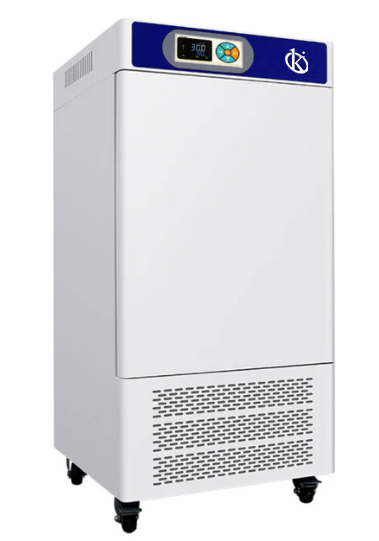
Maximizing ROI and Cost-Benefit Analysis for Constant Temperature and Humidity Incubators
In today's competitive laboratory landscape, understanding the return on investment (ROI) and performing a thorough cost-benefit analysis (CBA) is essential for any laboratory seeking to optimize its operational efficiency and financial performance. This article will delve into the nuances of ROI and CBA specifically for constant temperature and humidity incubators, discussing their critical role in a variety of applications, and providing detailed insights into several key models: YR02053, YR02054, and YR02055.
Understanding ROI and Cost-Benefit Analysis in Laboratory Settings
ROI measures the profitability of an investment relative to its cost, often expressed as a percentage. For laboratories, particularly those utilizing constant temperature and humidity incubators, understanding ROI is vital. Cost-Benefit Analysis, on the other hand, compares the benefits of an investment with its costs, helping laboratories determine the most effective use of funding.
The importance of these analyses cannot be understated; they guide purchasing decisions, influence budget allocations, and ultimately dictate the efficiency of laboratory operations. With the right incubator, laboratories can enhance sample quality, improve research outcomes, and achieve greater operational efficiency, all contributing to a superior ROI.
Applications of Constant Temperature and Humidity Incubators
Constant temperature and humidity incubators are crucial in various scientific fields. They provide controlled environments for biological samples, pharmaceuticals, and environmental testing, among others. In environmental protection and epidemic prevention, these incubators play a pivotal role in ensuring accurate results and facilitating groundbreaking research.
Benefits of Using Constant Temperature and Humidity Incubators
The benefits of constant temperature and humidity incubators extend beyond mere temperature control. They ensure optimal growth conditions for cultures, preserve specimen viability, and maintain the integrity of sensitive experiments. By minimizing fluctuations in temperature and humidity, these incubators reduce experimental variability, facilitating more reliable and reproducible results.
Comparison of Available Models
| Model | Price (USD) | Temperature Range (°C) | Interior Size (mm) | Best Application |
|---|---|---|---|---|
| YR02053 | 1010.00 | 0 ~ 60 | 580 x 450 x 380 | Environmental protection, microbiology |
| YR02054 | 1140.00 | 0 ~ 60 | 800 x 500 x 380 | Pharmaceutical testing, epidemic prevention |
| YR02055 | 1430.00 | 0 ~ 60 | 1000 x 550 x 450 | Aquaculture, biological engineering |
Common Mistakes and How to Avoid Them
When investing in constant temperature and humidity incubators, laboratories often make common mistakes that can hinder their ROI. One significant error is neglecting the importance of capacity planning. Each model, such as the YR02053 and YR02055, serves different volume needs. Failing to assess sample throughput can lead to underutilization or overcapacity, both of which are costly.
Another frequent oversight is not considering operational costs, including energy consumption, maintenance, and replacement of consumables. Laboratories should conduct a full lifecycle cost analysis before making a purchase. Evaluating models like the YR02054 can help in understanding these ongoing expenses and their impact on overall ROI.
Focus Areas for Cost-Benefit Analysis
The CBA for incubators should encompass several focus areas. Primarily, laboratories must analyze initial capital expenditures (CAPEX) against projected operational expenditures (OPEX). CAPEX includes the purchase price of the incubator, while OPEX can encompass energy costs, maintenance, and consumables over time.
Example Cost-Benefit Analysis Table
| Model | CAPEX (USD) | OPEX (Annual Cost, USD) | Payback Period (Months) |
|---|---|---|---|
| YR02053 | 1010.00 | 200.00 | 6 |
| YR02054 | 1140.00 | 250.00 | 7 |
| YR02055 | 1430.00 | 300.00 | 8 |
Identifying Key Metrics for Laboratories
When assessing ROI, laboratories should focus on key metrics such as cost per test, operational efficiency, and downtime. Understanding these metrics enables laboratories to quantify their savings and measure their productivity against benchmarks in their respective fields. The choice of incubator model can significantly affect these metrics; for instance, investing in the YR02055 may yield lower costs per test due to its larger volume capabilities compared to the YR02053.
Frequently Asked Questions
What is the average ROI for constant temperature and humidity incubators in laboratories?
The average ROI for constant temperature and humidity incubators, such as the YR02054, typically ranges from 12-18 months, depending on usage and operational efficiency. These incubators are vital for reducing variability in tests, which can ultimately lead to savings in consumables and improved research outcomes.
How do I assess the cost-benefit of the YR02055 incubator for my lab?
To assess the cost-benefit of the YR02055 incubator, consider initial costs, expected usage frequency, and operational costs. Evaluate metrics like cost per sample and maintenance expenses to understand the long-term financial implications and the expected ROI over time.
Which constant temperature and humidity incubator model is best for environmental testing?
The YR02053 is considered the best model for environmental testing due to its precise control over temperature and humidity. Its specifications allow for reliable testing conditions crucial for achieving accurate results in environmental studies.
What factors influence the operational costs of incubators like YR02054?
Operational costs of incubators like YR02054 are influenced by energy consumption, maintenance schedules, and the cost of consumables. Understanding these factors helps laboratories effectively budget and maximize ROI by minimizing unnecessary expenditures.
How does the YR02055 incubator improve sample viability in research labs?
The YR02055 incubator improves sample viability by maintaining stable temperature and humidity levels, crucial for long-term experiments. Consistency in environmental conditions minimizes stress on samples, leading to better preservation and research outcomes.
What are the energy consumption metrics for the YR02053 incubator?
The YR02053 incubator operates efficiently with an average energy consumption of approximately 0.4 kWh per hour. Understanding this metric is essential for laboratories aiming to reduce operational costs and improve sustainability.
How can I determine the payback period for the YR02054 incubator?
To determine the payback period for the YR02054 incubator, calculate the total investment cost versus the annual savings generated by improved efficiencies and reduced waste. A shorter payback period indicates a more favorable investment.
What maintenance practices enhance the ROI of constant temperature and humidity incubators?
Regular maintenance, including calibration checks and cleaning, enhances ROI for incubators by preventing costly downtime and ensuring optimal performance. For instance, implementing a routine maintenance schedule for the YR02055 can significantly extend its lifespan and improve its efficiency.
If you are looking for a fusion of innovation and quality, you have come to the right place. At Kalstein, we offer you the luxury of exploring our exclusive catalog of laboratory equipment. We manufacture every device to the highest standards of excellence. Our intuitive and seamless online purchasing channels are designed for your convenience, securing the most competitive prices. Hesitate no longer — we bring science to life, it is time to become part of our community.