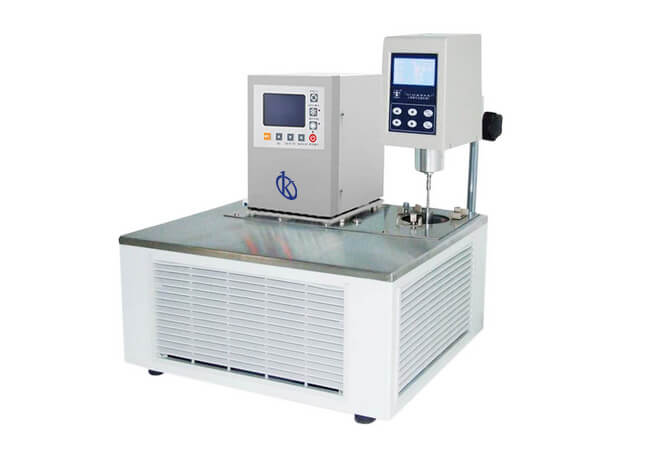
Maximizing ROI and Cost-Benefit Analysis for Bath Circulators in Laboratories
In the realm of laboratory equipment, bath circulators play a critical role in maintaining precise temperature control for a variety of applications, including chemical synthesis, electronic component testing, and more. Understanding the return on investment (ROI) and conducting a thorough cost-benefit analysis is essential for laboratory managers and procurement specialists. This article delves into how investing in bath circulators can yield long-term benefits, enhance operational efficiency, and ultimately contribute to the bottom line.
Understanding the Importance of ROI and Cost-Benefit Analysis
ROI is not just a financial metric; it represents the relationship between the cost of an investment and its gain over time. In laboratory settings, where budget constraints are prevalent, employing bath circulators can lead to significant operational improvements. Cost-benefit analysis further aids in evaluating whether the benefits of purchasing a bath circulator outweigh the costs incurred. By analyzing both tangible and intangible benefits, labs can make informed decisions regarding their equipment investments.
Factors Affecting ROI for Bath Circulators
Several factors influence the ROI of bath circulators in a laboratory environment:
- Initial Purchase Cost: The upfront cost of acquiring a bath circulator can vary based on features and specifications.
- Operational Efficiency: Enhanced performance can lead to lower energy consumption and reduced overhead costs.
- Maintenance Costs: Ongoing maintenance and calibration are necessary to ensure optimal operation.
- Labor Costs: Automation features may reduce labor requirements, contributing to overall savings.
- Flexibility and Versatility: Multi-functional equipment can accommodate various applications, allowing labs to adapt to changing needs.
Detailed Cost-Benefit Analysis for Bath Circulators
When performing a cost-benefit analysis for bath circulators, it is essential to quantify both costs and benefits clearly. Below is a breakdown of typical costs associated with owning and operating bath circulators:
| Cost Type | Estimated Annual Cost (USD) |
|---|---|
| Purchase Price (amortized over 5 years) | $116.60 (for a $583 model) |
| Energy Consumption | $200 (based on usage) |
| Maintenance and Repairs | $50 |
| Labor Costs | $150 |
| Total Annual Cost | $616.60 |
Now let's analyze the potential benefits that a laboratory could gain from using a bath circulator:
| Benefit Type | Estimated Annual Benefit (USD) |
|---|---|
| Increased Throughput | $1,500 (due to faster experiments) |
| Reduced Waste | $300 |
| Improved Data Accuracy | $400 |
| Total Annual Benefit | $2,200 |
Subtracting the total annual cost from the total annual benefit provides a clear ROI:
ROI = Total Annual Benefit - Total Annual Cost = $2,200 - $616.60 = $1,583.40
This straightforward calculation demonstrates how investing in bath circulators can yield significant financial returns.
Comparison of Available Models
| Model Code | Purchase Price (USD) | Temperature Range (°C) | Best For |
|---|---|---|---|
| YR04985 | $583.00 | -5 ~ 99.9 | Viscometers and precision control |
| YR04996 | $867.00 | -5 ~ 100 | Broad variety of temperature-dependent experiments |
| YR04999 | $1,367.00 | -30 ~ 100 | Complex chemical synthesis and testing |
| YR04988 | $617.00 | -20 ~ 100 | General laboratory applications |
| YR04989 | $717.00 | -30 ~ 100 | Advanced research settings |
| YR04986 | $500.00 | -5 ~ 100 | Low-budget configurations |
Common Mistakes and How to Avoid Them
Making the right choice in laboratory equipment is critical. Here are common mistakes that laboratories make when investing in bath circulators:
- Ignoring Specifications: Always align the model specifications with your laboratory's needs. For instance, choosing a model like YR04999 for applications requiring high precision makes sense.
- Underestimating Maintenance Costs: Consider long-term maintenance expenses when calculating ROI. Some models may be more expensive to maintain than others.
- Neglecting Staff Training: Ensure that personnel are adequately trained to operate the equipment to maximize efficiency and avoid costly errors.
- Not Considering Future Needs: Choose versatile models that can accommodate future applications, such as the YR04988, which is suitable for a variety of experiments.
Frequently Asked Questions
What is the expected ROI from using YR04999 bath circulators in a laboratory?
Laboratories can expect a solid ROI from the YR04999 bath circulators, especially in complex testing environments. By analyzing its annual benefits, which can reach upwards of $2,200, against an annual cost of approximately $1,367, labs can see a potential ROI of over $800 annually.
How do YR04985 models help with cost-saving in temperature control?
The YR04985 model is designed for precision control, which minimizes temperature fluctuations, allowing for consistent results and less waste. This ultimately helps laboratories save on both materials and energy costs, enhancing overall cost-efficiency.
Which bath circulator model is best for electronic component testing?
The YR04999 model is particularly well-suited for electronic component testing due to its wide temperature range of -30 to 100°C and robust construction. This versatility allows labs to conduct various tests effectively while maintaining high accuracy.
What are the maintenance costs associated with YR04996 bath circulators?
Annual maintenance costs for YR04996 bath circulators typically run around $50, depending on usage and care. Regular maintenance ensures optimal performance and extends the life of the unit, supporting long-term efficiency in laboratory applications.
How can I calculate the cost per test when using a bath circulator?
To calculate the cost per test using a bath circulator, include the annual costs of purchasing, maintenance, and energy divided by the number of tests conducted. For example, if total annual costs are $616.60 and you perform 500 tests, the cost per test would be $1.23.
What advantages does PID temperature control offer in laboratory circulators?
PID (Proportional-Integral-Derivative) temperature control in laboratory circulators like the YR04986 provides superior temperature stability, reducing fluctuations and enhancing the overall accuracy of experiments. This results in more reliable data and improved reproducibility.
How does the YR04988 model enhance productivity in laboratories?
The YR04988 model enhances laboratory productivity by providing a temperature range ideal for various applications, thus allowing for faster experimental setups. Its efficient design enables laboratories to handle multiple experiments simultaneously, improving throughput.
What are the environmental benefits of using energy-efficient bath circulators?
Using energy-efficient bath circulators like the YR04996 can significantly reduce energy consumption, leading to lower operational costs and a smaller carbon footprint. This aligns with sustainability goals while promoting cost-effectiveness in laboratory environments.
If you are looking for a fusion of innovation and quality, you have come to the right place. At Kalstein, we offer you the luxury of exploring our exclusive catalog of laboratory equipment. We manufacture every device to the highest standards of excellence. Our intuitive and seamless online purchasing channels are designed for your convenience, securing the most competitive prices. Hesitate no longer — we bring science to life, it is time to become part of our community.