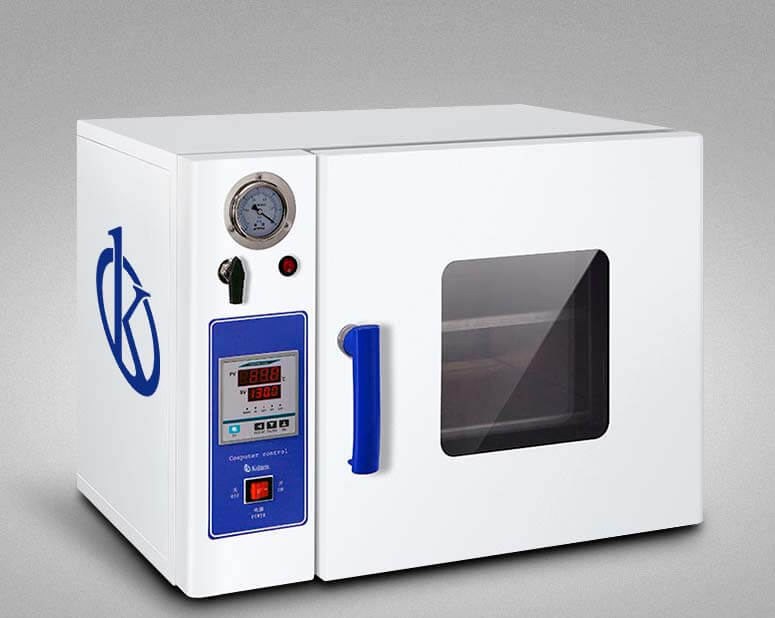
Maximizing Energy Sustainability in Vacuum Ovens: A Comparative Guide
In today’s environmentally conscious world, laboratories are under increasing pressure to reduce their energy consumption and minimize their carbon footprint. Vacuum ovens, widely used for drying and sterilizing samples, can play a critical role in achieving these objectives. This article provides a comprehensive guide on how vacuum ovens can be utilized to promote energy sustainability while maintaining laboratory efficiency.
Understanding Vacuum Ovens in the Context of Energy Sustainability
Vacuum ovens function by creating a low-pressure environment, which lowers the boiling point of solvents and reduces the heat required for drying. This mechanism not only accelerates the drying process but also contributes to energy efficiency. Laboratories that adopt vacuum ovens with innovative designs can drastically decrease energy consumption, aligning their operations with sustainability goals.
In the context of energy sustainability, vacuum ovens can help in the following ways:
- Reduced energy consumption due to lower operational temperatures.
- Minimized reagent waste through efficient drying processes.
- Lower carbon emissions when utilizing energy-efficient models.
Comparison of Available Models
| Model | Max Temperature (°C) | Power Consumption (kW) | Price (USD) | Best Application |
|---|---|---|---|---|
| YR05260-A | 250 | 0.9 | 330.00 | Drying heat-sensitive materials |
| YR05261-A | 250 | 0.9 | 460.00 | Complex materials |
| YR05262-SS | 250 | 1.4 | 400.00 | General laboratory drying |
| YR05263-SS | 250 | 1.4 | 590.00 | Environmental research |
| YR05264-A | 250 | 0.9 | 690.00 | Health care applications |
| YR05265-SS | 250 | 1.4 | 845.00 | Pharmaceuticals |
Energy Consumption Analysis of Vacuum Ovens
When selecting a vacuum oven, understanding energy consumption is vital. The energy used by each model can be analyzed based on its power rating and the expected operational time. For instance, the YR05260-A model, rated at 0.9 kW, can consume approximately 0.9 kWh for every hour of operation. In contrast, the YR05262-SS, with a power rating of 1.4 kW, will consume more energy in the same time period.
Energy Consumption Calculation
By calculating the cost of energy consumption over time, laboratories can determine the total operational costs associated with each vacuum oven model. The formula to calculate the cost per hour is:
Cost per hour = Power (kW) x Operational Hours x Energy Rate (USD/kWh)
Lifecycle Assessment of Vacuum Ovens
A lifecycle assessment (LCA) evaluates the environmental impact of vacuum ovens from manufacturing to disposal. Models that utilize recyclable materials and minimize energy consumption during their lifecycle can greatly reduce their environmental footprint. The YR05260-A is built with eco-friendly components, making it a sustainable choice for laboratories aiming to reduce their impact.
Common Mistakes and How to Avoid Them
When adopting vacuum ovens for energy sustainability, laboratories often make critical mistakes, such as:
- Overlooking power ratings — choosing models with higher power ratings can lead to increased energy costs.
- Neglecting maintenance — regular maintenance ensures that ovens operate efficiently, reducing energy waste.
- Failure to implement proper usage protocols — efficient loading and proper use of vacuum ovens can enhance performance and sustainability.
Frequently Asked Questions
How do I choose a vacuum oven that minimizes energy consumption?
To select a vacuum oven that minimizes energy consumption, consider models like YR05260-A, which uses only 0.9 kW. Additionally, evaluate your laboratory's specific drying requirements to choose the most efficient model for your needs.
What is the average energy consumption for vacuum ovens in a laboratory?
The average energy consumption varies, but models like the YR05260-A can use about 0.9 kWh per hour. This can differ based on the specific operational conditions and the materials being dried.
Which vacuum oven models are best for environmentally friendly applications?
Models like YR05260-A and YR05262-SS are designed with environmentally friendly applications in mind, utilizing less energy and incorporating recyclable materials to minimize their environmental impact.
How can I calculate the operational cost of a vacuum oven?
To calculate the operational cost, use the formula: Cost per hour = Power (kW) x Operational Hours x Energy Rate. For example, YR05262-SS at 1.4 kW running for 5 hours would cost approximately 7 USD at a rate of 0.1 USD/kWh.
What are the main features to consider in a sustainable vacuum oven?
Look for energy efficiency ratings, power consumption, material sustainability, and lifecycle impact. Models like YR05263-SS are designed to incorporate these features effectively.
How do vacuum ovens contribute to reducing laboratory waste?
Vacuum ovens like the YR05261-A reduce waste by efficiently drying samples, which minimizes the need for excess solvents and reduces laboratory disposal costs.
What is the impact of vacuum oven choice on laboratory energy efficiency?
The choice of vacuum oven directly impacts energy efficiency. Selecting energy-efficient models, such as YR05260-A, can significantly reduce overall energy consumption and costs for the laboratory.
Conclusion and Call to Action
If you are looking for a fusion of innovation and quality, you have come to the right place. At Kalstein, we offer you the luxury of exploring our exclusive catalog of laboratory equipment. We manufacture every device to the highest standards of excellence. Our intuitive and seamless online purchasing channels are designed for your convenience, securing the most competitive prices. Hesitate no longer — we bring science to life, it is time to become part of our community.