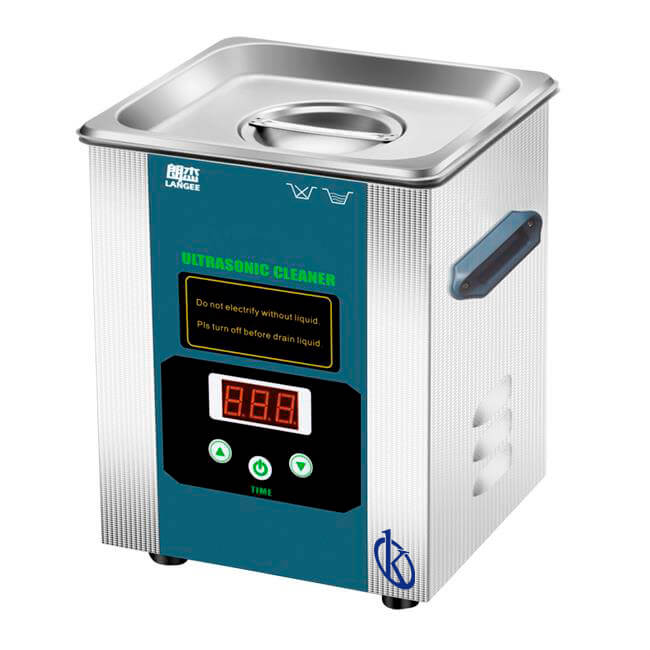
Maximize ROI with Mechanical Desktop Ultrasonic Cleaners: A Cost-Benefit Analysis
Mechanical desktop ultrasonic cleaners are essential tools in modern laboratories, providing precision cleaning for a variety of applications. The significance of these devices extends beyond just cleanliness; they play a crucial role in ensuring that laboratory professionals achieve a favorable return on investment (ROI) through effective cost-control measures. Understanding the cost-benefit analysis of these machines can help laboratories decide on the best models to purchase.
Understanding ROI in Laboratory Equipment
ROI is a financial metric that helps laboratories evaluate the efficiency and profitability of their investments. For mechanical desktop ultrasonic cleaners, the ROI is influenced by initial capital expenditures (CAPEX), ongoing operational expenses (OPEX), and the tangible benefits gained from enhanced cleaning capabilities. As cleaning is a fundamental aspect of laboratory processes, having efficient cleaning equipment can significantly reduce the time and costs associated with sample preparation.
Cost-Benefit Analysis of Mechanical Desktop Ultrasonic Cleaners
When analyzing the cost-benefit of mechanical desktop ultrasonic cleaners, it is crucial to consider several factors, including purchase price, maintenance costs, and the impact on laboratory workflow efficiency. This analysis allows laboratories to quantify the financial returns relative to their cleaning needs.
Comparison of Available Models
| Model | Purchase Price (USD) | Tank Capacity (L) | Power (W) | Best For |
|---|---|---|---|---|
| YR05207 | 43.00 | 1.3 | 70 | Jewelry and delicate items |
| YR05202 | 540.00 | 11 | 240 | Laboratory use and medical industry |
| YR05203 | 640.00 | 15 | 360 | Laboratory use and medical industry |
| YR05204 | 680.00 | 20 | 360 | Laboratory use and medical industry |
| YR05205 | 760.00 | 22 | 480 | Laboratory use and medical industry |
| YR05206 | 810.00 | 30 | 600 | Laboratory use and medical industry |
Common Mistakes and How to Avoid Them
Laboratories often make mistakes when selecting ultrasonic cleaners, including underestimating the required tank size or power. Choosing a model without considering the specific cleaning needs can lead to suboptimal results and increased operational costs. It’s essential to assess the nature of the contaminants and the volume of items to be cleaned to select the right model that maximizes both efficiency and ROI.
Energy Consumption and Sustainability Considerations
Energy consumption is a significant factor in the overall cost of operating ultrasonic cleaners. Models like the YR05206, with higher power ratings, could lead to increased energy costs. Laboratory professionals should consider energy-efficient models and analyze the cost per cleaning cycle to ensure sustainability while maintaining effective cleaning performance. Implementing energy-efficient practices can lead to substantial savings over time.
Maintenance Costs and Longevity of Ultrasonic Cleaners
Maintenance is another critical aspect influencing the total cost of ownership of ultrasonic cleaners. Regular maintenance can prevent costly repairs and extend the life of the equipment. Investing in higher-quality models like the YR05205 can reduce long-term maintenance costs due to their robust design and reliability. Laboratories should develop a maintenance schedule to ensure optimal performance and longevity of their ultrasonic cleaners.
Integrating Ultrasonic Cleaners in Lab Workflows for Increased Efficiency
Integrating ultrasonic cleaners into laboratory workflows can drastically improve efficiency. For example, using the YR05202 model, laboratories can clean multiple items simultaneously, reducing preparation time. Moreover, automating the cleaning process can further enhance throughput, allowing for a more streamlined workflow that maximizes productivity and ROI.
Frequently Asked Questions
What is the expected ROI from using mechanical desktop ultrasonic cleaners in laboratories?
The expected ROI from using mechanical desktop ultrasonic cleaners, such as the model YR05206, can vary based on usage frequency and operational costs. However, many laboratories report a payback period of 6 to 12 months due to reduced labor and cleaning times.
How does cleaning capacity affect ROI for ultrasonic cleaners?
The cleaning capacity significantly influences ROI, as seen in models like YR05205 with a capacity of 22L. Higher capacity allows for cleaning more items simultaneously, saving time and reducing operational costs, thereby improving overall ROI.
What are the maintenance costs associated with mechanical desktop ultrasonic cleaners?
Maintenance costs for ultrasonic cleaners vary depending on the model and usage. For example, the YR05204 requires regular inspection and occasional parts replacement, which contributes to its longevity and can lead to reduced overall costs in the long run.
How can I determine the best ultrasonic cleaner for my laboratory's needs?
To determine the best ultrasonic cleaner, assess your cleaning requirements, including the volume of items and type of contaminants. Models like YR05202 with adjustable frequencies may offer more versatile cleaning options for various laboratory applications.
Which factors should I consider for maximizing the effectiveness of ultrasonic cleaning?
To maximize effectiveness, consider factors such as cleaning frequency, tank size, and water quality. The YR05203 model's variable frequency settings can enhance cleaning efficiency based on these parameters, ultimately leading to better results.
What energy efficiency standards should I look for in ultrasonic cleaners?
When selecting ultrasonic cleaners, look for models that comply with energy efficiency standards. Models like YR05206 are designed with energy-efficient components that can help reduce operational costs while maintaining effective cleaning performance.
What is the impact of ultrasonic cleaning on lab workflow efficiency?
Ultrasonic cleaning can significantly enhance lab workflow efficiency by automating a critical cleaning step. Using large-capacity models like YR05205 allows labs to clean multiple items simultaneously, reducing downtime and increasing productivity.
How do I calculate the total cost of ownership for an ultrasonic cleaner?
To calculate the total cost of ownership, consider initial purchase price, maintenance costs, and operational expenses such as energy consumption. Analyzing these factors for models like YR05202 can provide a clearer picture of financial returns and ROI.
If you are looking for a fusion of innovation and quality, you have come to the right place. At Kalstein, we offer you the luxury of exploring our exclusive catalog of laboratory equipment. We manufacture every device to the highest standards of excellence. Our intuitive and seamless online purchasing channels are designed for your convenience, securing the most competitive prices. Hesitate no longer — we bring science to life, it is time to become part of our community.