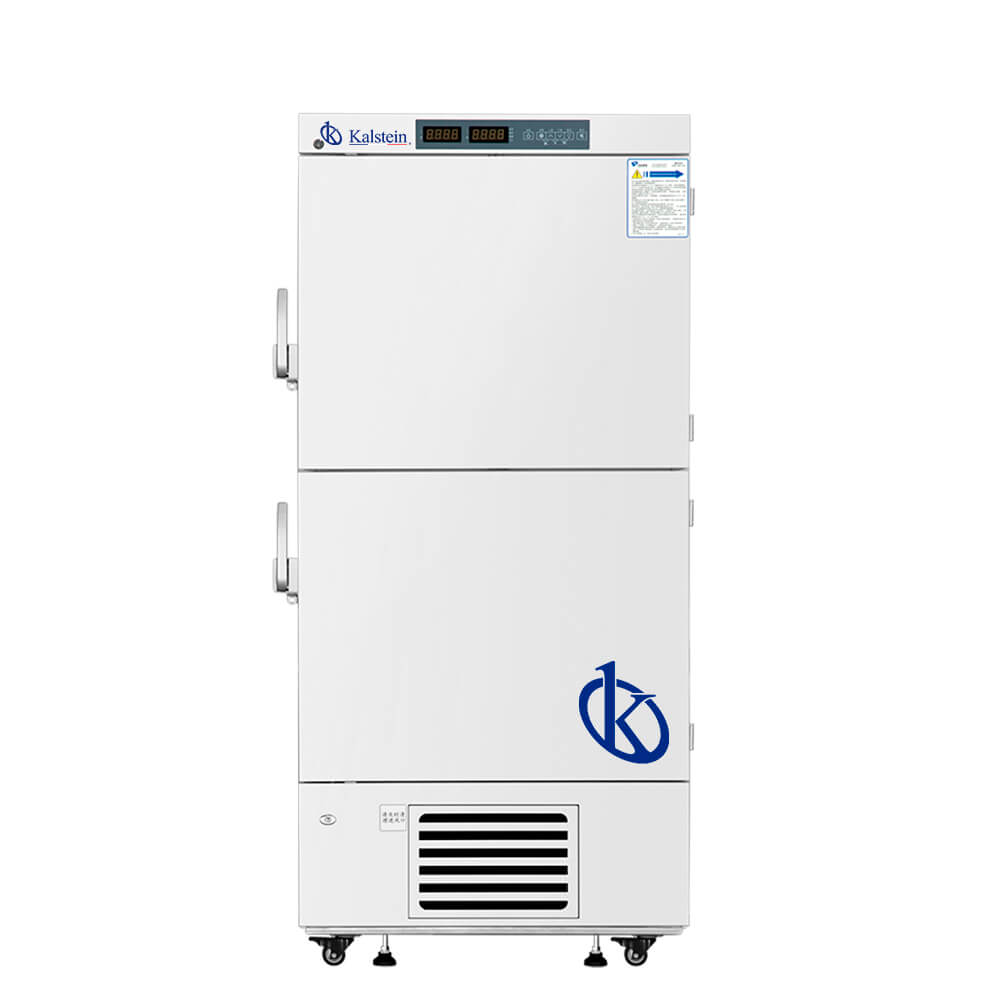
Low Temperature Freezers: Practical Applications and Techniques 2026
What is it used for in 2026
Low temperature freezers are essential in various laboratory settings, particularly in clinical and hospital laboratories. In 2026, these units are utilized for storing sensitive biological samples, vaccines, blood products, and other materials that require specific low temperatures for preservation. Their ability to maintain temperatures typically ranging from -10°C to -40°C ensures that the integrity and viability of samples are preserved for extended periods. Furthermore, modern low temperature freezers come equipped with advanced monitoring systems, ensuring that any deviations in temperature are immediately addressed.
History and evolution of the technology
The technology behind low temperature freezers has evolved significantly over the years. Early models were simple refrigeration units with limited temperature control capabilities. As the demand for more precise temperature regulation grew, manufacturers began integrating advanced features such as microprocessor control systems and independent chambers to enhance reliability. Today, low temperature freezers are engineered with sophisticated alarms for temperature fluctuations, power failures, and door malfunctions, making them indispensable in modern laboratory practices.
How to use it step by step
Using a low temperature freezer effectively involves several steps:
- Familiarize with the unit: Read the manufacturer’s manual to understand the specific functions and controls.
- Set the desired temperature: Use the control panel to set the freezer to the required temperature for your samples.
- Organize samples: Place samples in appropriate containers and label them clearly.
- Load samples: Ensure the freezer is not overcrowded to maintain optimal air circulation.
- Monitor conditions: Regularly check the temperature display and alarm indicators to ensure stable conditions.
- Perform regular maintenance: Follow maintenance schedules to keep the unit running efficiently.
Best techniques and protocols
To maximize the effectiveness of low temperature freezers, adhere to the following techniques:
- Implement a systematic labeling system for sample identification.
- Use thermal insulation materials when handling samples to minimize temperature fluctuations.
- Regularly calibrate temperature sensors to ensure accurate readings.
- Keep a log of temperature changes and maintenance activities for reference.
Practical applications by laboratory type
Different types of laboratories utilize low temperature freezers for various applications:
- Clinical Laboratories: Storing blood samples, plasma, and serum for future testing.
- Research Laboratories: Preserving cell cultures, enzymes, and other biological reagents.
- Pharmaceutical Companies: Storing vaccines and drug compounds requiring strict temperature control.
- Hospitals: Keeping medical supplies and samples at optimal temperatures for patient care.
Regulations, standards and certifications
When using low temperature freezers, laboratories must comply with various regulations and standards to ensure safety and efficacy. This includes adherence to guidelines set by organizations such as the FDA, CDC, and ISO standards for laboratory equipment. Regular audits and certifications are also necessary to maintain compliance with industry regulations.
Comparison with alternative technologies
Low temperature freezers are often compared to other storage solutions, such as liquid nitrogen tanks and ultra-low temperature freezers. While each has its advantages, low temperature freezers provide more accessibility and ease of use, making them suitable for routine laboratory applications. In contrast, ultra-low freezers are ideal for long-term storage of highly sensitive samples, albeit with higher operational costs.
Comparison of available models
| Model | Best for | Key specs | Recommended use case |
|---|---|---|---|
| YR05100 | Flexible sample storage | Price: $1830.00, Capacity: Adjustable Shelves | Storing various sample sizes in independent chambers |
| YR05309 | Medical supplies storage | Price: $1620.00, Capacity: 358L | Storing vaccines and medical supplies with safety alarms |
| YR05311 | Laboratory sample storage | Price: $1360.00, Capacity: 12 Drawers | Storing biological samples with high accessibility |
Common mistakes and how to avoid them
Several common mistakes can lead to ineffective sample storage:
- Overloading the freezer, which can disrupt airflow.
- Failing to monitor temperature alarms regularly.
- Neglecting routine maintenance and calibration.
To avoid these pitfalls, ensure that there is adequate space for air circulation, regularly check alarm systems, and follow maintenance protocols diligently.
Maintenance, calibration and good practices 2026
To keep low temperature freezers in optimal working condition, consider the following maintenance practices:
- Schedule regular defrosting to prevent ice build-up.
- Calibrate temperature sensors annually.
- Inspect door seals for integrity to avoid temperature fluctuations.
Cost-benefit analysis 2026
Investing in a low temperature freezer offers significant benefits in laboratory settings. Although initial costs can be high, the ability to safely store valuable samples and reduce waste due to temperature excursions provides a strong return on investment. Additionally, modern units often come with energy-efficient features, further enhancing their cost-effectiveness over time.
Frequently asked questions
How do I choose the right low temperature freezer for my lab?
Consider the type of samples you will store, the required temperature range, and the storage capacity needed. It's also important to think about additional features such as alarm systems and energy efficiency.
What temperature should I set my low temperature freezer?
The ideal temperature setting depends on the samples you are storing. Most biological samples require temperatures between -20°C and -40°C, so refer to the specific guidelines for your materials.
How often should I perform maintenance on my low temperature freezer?
Regular maintenance should be performed at least quarterly, which includes checking seals, calibrating sensors, and defrosting the unit.
What should I do if the alarm goes off?
Immediately check the temperature display and ensure the door is sealed properly. Investigate any issues with power or the cooling system. If problems persist, consult the manufacturer’s guidelines.
Can I store food in a low temperature freezer?
It is not recommended to store food in laboratory low temperature freezers as they are designed specifically for biological samples and medical supplies.
What is the typical lifespan of a low temperature freezer?
With proper maintenance, a low temperature freezer can last anywhere from 10 to 15 years. Regular care is essential for maximizing lifespan.
How can I ensure the reliability of my low temperature freezer?
Investing in a high-quality model with reliable alarm systems, performing regular maintenance, and keeping an accurate temperature log will ensure the reliability of your freezer.
If you are looking for a fusion of innovation and quality, you have come to the right place. At Kalstein, we offer you the luxury of exploring our exclusive catalog of laboratory equipment. We manufacture every device to the highest standards of excellence. Our intuitive and seamless online purchasing channels are designed for your convenience, securing the most competitive prices. Hesitate no longer — we bring science to life, it is time to become part of our community.