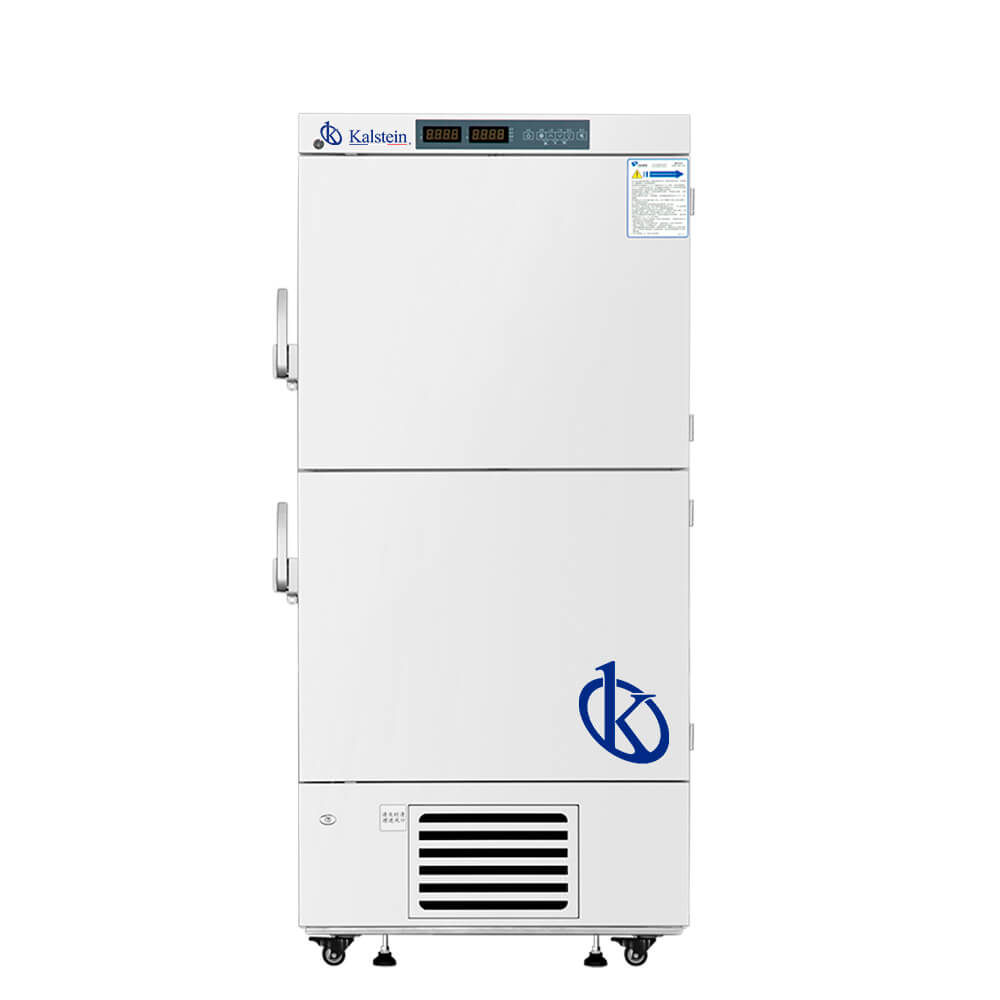
How to Choose Low Temperature Freezers for Energy Sustainability and Reduced Environmental Footprint
In today’s laboratory environment, the need for energy-efficient equipment has become paramount. Low Temperature Freezers are essential tools in various research and medical applications, but their operation can consume significant energy, thus contributing to a larger environmental footprint. Therefore, selecting the right model based on energy sustainability is crucial for laboratories aiming to minimize their ecological impact while maintaining efficiency.
Understanding Energy Sustainability in Low Temperature Freezers
Energy sustainability in laboratory freezers refers to the ability to maintain low temperatures while using minimal energy resources. This can be evaluated through energy consumption metrics such as kilowatt-hours (kWh) per day and operational efficiencies. Models that utilize advanced cooling technologies, eco-friendly refrigerants, and optimized design can significantly reduce energy consumption.
Key Features to Look for in Low Temperature Freezers
When selecting a Low Temperature Freezer, consider the following features that contribute to energy sustainability:
- Energy-efficient Cooling Systems: Look for models with direct cooling technologies that optimize energy use.
- Insulation Quality: High-quality insulation reduces energy loss and maintains stable internal temperatures.
- Advanced Refrigerants: Refrigerants like R290 are more environmentally friendly compared to traditional options.
- Smart Controls: Digital controls allow for precise temperature management, preventing unnecessary energy waste.
Comparison of Available Models
| Model | Energy Consumption (kWh/24h) | Temperature Range (°C) | Best For |
|---|---|---|---|
| YR05100 | 6.7 | -20 ~ -40 | General laboratory storage needs |
| YR05309 | 5.5 | -20 ~ -40 | Medical supplies and biological samples |
| YR05311 | 300 | -10 ~ -25 | Laboratory and hospital use |
Benefits of Energy-efficient Models
Energy-efficient models reduce operational costs and are more sustainable, leading to long-term savings. They also support compliance with environmental regulations, such as those set by ISO 14001, making them favorable for laboratories focused on sustainability.
Common Mistakes and How to Avoid Them
When choosing Low Temperature Freezers, laboratories often make several common mistakes. One major error is overlooking energy consumption specifications; ensure to compare models based on their kWh usage. Another mistake is not considering the specific storage needs of samples, which can lead to inefficient use of the freezer's capacity. Always evaluate the maximum and minimum temperature requirements for your samples to ensure proper preservation.
Frequently asked questions
What are the energy consumption rates of Low Temperature Freezers in laboratories?
The energy consumption rates vary among models. For instance, the YR05100 has a consumption of 6.7 kWh per 24 hours, while the YR05309 is slightly lower at 5.5 kWh, making it a more energy-efficient choice for laboratories.
How can I assess the environmental footprint of a Low Temperature Freezer?
To assess the environmental footprint, consider the energy consumption (kWh), refrigerant type, and efficiency ratings. The YR05309, using R290 refrigerant, is designed with lower energy requirements, thus minimizing its ecological impact.
What features should I prioritize for energy efficiency in Low Temperature Freezers?
Prioritize models with high insulation quality, eco-friendly refrigerants, and advanced temperature controls. The YR05311 features a microprocessor-controlled system that optimizes energy use based on sample requirements.
Which Low Temperature Freezer is best for biomedical research in terms of energy efficiency?
The YR05309 is ideal for biomedical research due to its low energy consumption of 5.5 kWh per day while providing a temperature range suitable for preserving sensitive biological samples.
How does the choice of refrigerant affect the energy efficiency of Low Temperature Freezers?
The choice of refrigerant significantly impacts energy efficiency. The R290 refrigerant used in models like YR05100 is more eco-friendly and contributes to lower energy consumption compared to traditional refrigerants, thus supporting sustainability.
What is the average lifespan of a Low Temperature Freezer and its impact on sustainability?
The average lifespan of a Low Temperature Freezer is around 10-15 years. Choosing energy-efficient models like the YR05311 can reduce waste and lower the overall environmental impact over their operational lifespan.
How do Low Temperature Freezers compare in terms of operational energy costs?
Operational energy costs vary by model; for example, YR05309 costs approximately $5.5 daily to operate, whereas other models may consume more energy. It's vital to consider these costs when selecting a model.
Are there any standards governing the energy efficiency of Low Temperature Freezers?
Yes, standards such as ISO 14001 set guidelines for environmental management systems, which include energy efficiency for laboratory equipment. Models like YR05309 are designed to comply with these standards.
If you are looking for a fusion of innovation and quality, you have come to the right place. At Kalstein, we offer you the luxury of exploring our exclusive catalog of laboratory equipment. We manufacture every device to the highest standards of excellence. Our intuitive and seamless online purchasing channels are designed for your convenience, securing the most competitive prices. Hesitate no longer — we bring science to life, it is time to become part of our community.