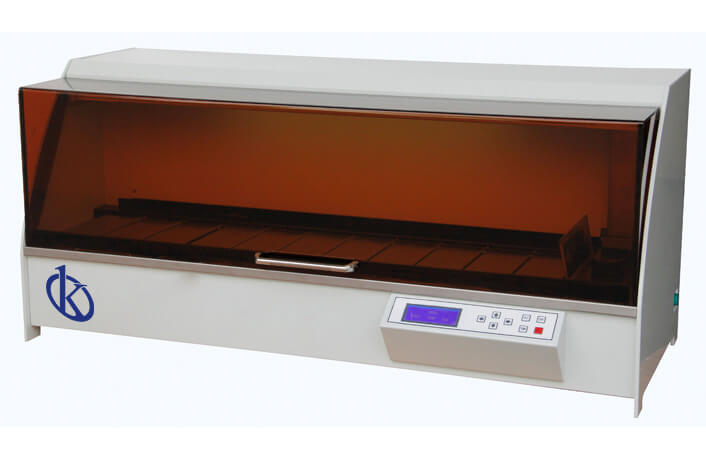
How to Achieve Seamless LIMS Integration with Tissue Processors
The integration of tissue processors with Laboratory Information Management Systems (LIMS) is a critical advancement in the realm of laboratory automation and data management. This article delves into how various tissue processors can be aligned with LIMS to enhance data flow, streamline operations, and ensure compliance with industry standards. By focusing on the capabilities of models like YR431-1, YR436-2, YR427, YR428, YR429, and YR431, we will highlight their unique features and how they facilitate seamless integration.
Understanding the Importance of LIMS Integration in Tissue Processing
Laboratory Information Management Systems (LIMS) serve as pivotal platforms that manage samples, associated data, and laboratory workflows. Integrating tissue processors with LIMS allows laboratories to enhance traceability, reduce errors, and facilitate compliance with standards such as ISO 17025. This integration ensures that data flows smoothly between tissue processors and the laboratory's information systems, enabling better tracking of samples and improved operational efficiency.
Key Features Supporting LIMS Integration
For successful integration, certain features are essential in tissue processors:
- Interconnectivity: Tissue processors must support standard connectivity protocols such as ASTM, HL7, or REST APIs.
- Data Export: The ability to export processing data in formats compatible with LIMS systems enhances integration.
- Real-Time Updates: Features facilitating real-time data synchronization between the tissue processor and LIMS improve workflow efficiency.
Technical Comparison of Different Tissue Processors
Each model presents unique specifications that cater to different laboratory needs. Below is a technical comparison highlighting how each model aligns with LIMS integration:
| Model | Connectivity | Protocols Supported | Integration Effort | Best For |
|---|---|---|---|---|
| YR431-1 | USB, Ethernet | ASTM, HL7 | Moderate | Medium Laboratories |
| YR436-2 | USB | None | Low | Basic Applications |
| YR427 | Bluetooth | ASTM | High | Small Labs |
| YR428 | USB | HL7 | Moderate | Mid-Size Labs |
| YR429 | Ethernet | REST | High | High-Throughput Labs |
| YR431 | USB, Ethernet | ASTM, HL7 | Moderate | Laboratories Needing Flexibility |
Data Management and Flow Optimization
When integrating tissue processors with LIMS, managing data flow is crucial. The processors must be capable of automatically sending and receiving data from the LIMS. This ensures that when a sample is processed, all associated data is immediately captured and stored in the LIMS database, reducing manual input and potential errors.
Challenges of LIMS Integration with Tissue Processors
While the benefits are significant, challenges can arise during integration:
- Compatibility Issues: Not all tissue processors are designed to work seamlessly with every LIMS, leading to potential data silos.
- Initial Setup Complexity: Setting up a robust connection can require considerable IT resources and expertise.
- Data Security Concerns: Ensuring that sensitive data is protected during transfer between systems is paramount.
Best Practices for Successful Integration
To overcome integration challenges, consider the following best practices:
- Conduct a thorough analysis of compatibility between the tissue processor and LIMS.
- Engage with vendors to understand technical requirements and support options.
- Implement robust data security measures to protect sensitive information.
Common Mistakes and How to Avoid Them
Laboratories often make several common mistakes during LIMS integration:
- Underestimating Training Needs: Ensure staff is adequately trained on both systems.
- Neglecting Documentation: Maintain comprehensive integration documentation for troubleshooting and audits.
- Skipping Testing Phases: Conduct thorough testing before going live to catch any potential issues.
Frequently Asked Questions
How does LIMS integration enhance tissue processing accuracy and efficiency?
LIMS integration enhances tissue processing accuracy and efficiency by automating data entry and reducing manual errors. For instance, models like YR431-1 can seamlessly send processing data to the LIMS, ensuring accurate tracking and reporting.
What are the essential connectivity protocols for tissue processors in LIMS integration?
Essential connectivity protocols for tissue processors include ASTM, HL7, and REST APIs. For example, the YR429 model supports REST, making it suitable for high-throughput laboratories needing quick data transfer to their LIMS.
Which tissue processor is best suited for small laboratories looking to integrate with LIMS?
The YR427 model is well-suited for small laboratories seeking LIMS integration due to its compact design and Bluetooth connectivity, allowing easy data transfer without extensive infrastructure.
What challenges might laboratories face during the integration of tissue processors with LIMS?
Laboratories may face challenges such as compatibility issues with the LIMS, initial setup complexity, and ensuring data security. It is crucial to assess these factors before integration to avoid future bottlenecks.
How do I ensure data security during tissue processor and LIMS integration?
Data security can be ensured by implementing encryption protocols during data transmission and regularly updating security measures. Models like YR431-1 support secure data transfer features that can help maintain security.
What is the role of real-time data synchronization in LIMS integration?
Real-time data synchronization allows immediate updates between the tissue processor and LIMS, enhancing operational efficiency. For example, the YR428 model facilitates immediate data sharing, minimizing the chance of data loss.
How can I assess the cost-effectiveness of integrating a tissue processor with LIMS?
Assessing cost-effectiveness involves analyzing decreased labor costs due to automation, minimized errors, and improved sample tracking. The YR436-2 model can offer competitive pricing while still supporting essential LIMS integration features.
What are the long-term benefits of LIMS integration for tissue processing labs?
Long-term benefits of LIMS integration include improved workflow efficiency, enhanced data accuracy, and better compliance with industry standards such as ISO 17025. This is particularly true for laboratories utilizing models like YR431, which are designed with integration in mind.
If you are looking for a fusion of innovation and quality, you have come to the right place. At Kalstein, we offer you the luxury of exploring our exclusive catalog of laboratory equipment. We manufacture every device to the highest standards of excellence. Our intuitive and seamless online purchasing channels are designed for your convenience, securing the most competitive prices. Hesitate no longer — we bring science to life, it is time to become part of our community.