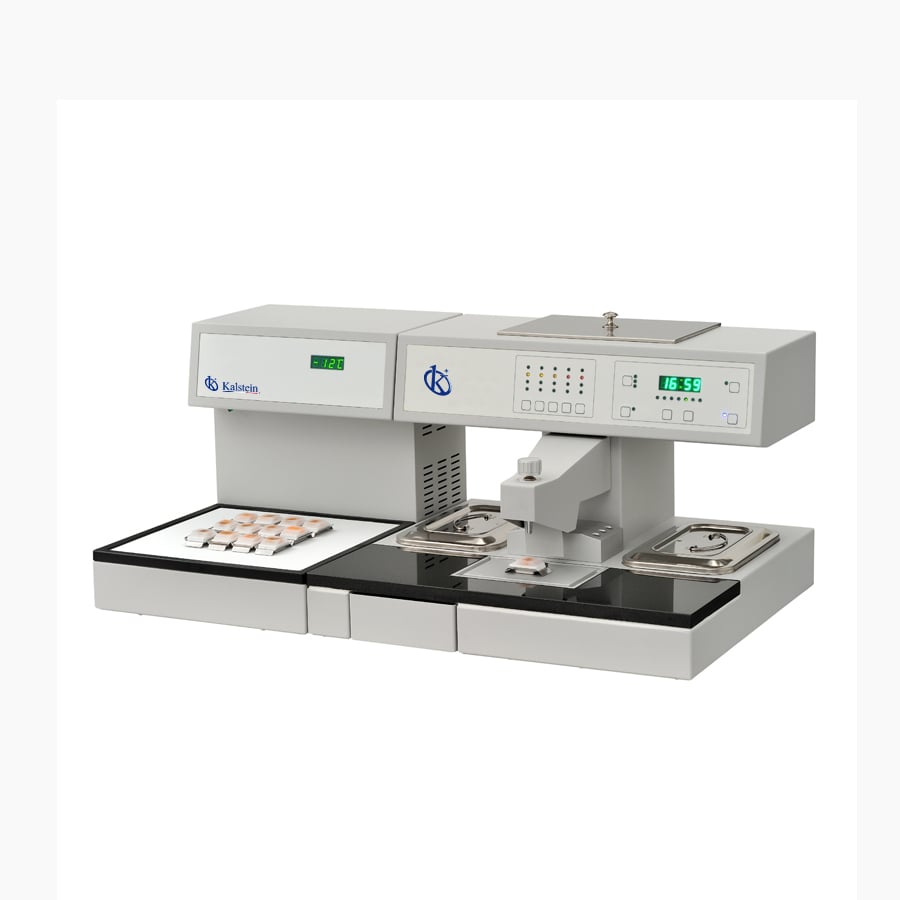
How to Achieve Seamless LIMS Integration with Tissue Embedding Systems
In today’s laboratory environment, the integration of Laboratory Information Management Systems (LIMS) with tissue embedding systems is pivotal for enhancing data management and streamlining workflows. This article delves into the various models available in the Tissue Embedding System category, focusing on their capabilities for effective integration with LIMS, thereby supporting the digitalization of data flows in pathology labs.
Understanding the Integration of LIMS with Tissue Embedding Systems
Laboratories are increasingly recognizing the importance of digital solutions to manage the large volumes of data generated during tissue processing. LIMS integration allows for the automated transfer of data between tissue embedding systems and the lab’s database, enhancing data accuracy and reducing manual entry errors. The integration also supports compliance with regulatory standards, making it crucial for modern pathology labs.
Key Features for LIMS Integration
When selecting a tissue embedding system for LIMS integration, several key features should be considered:
- Connectivity: Ensure the system supports various connectivity protocols such as HL7 or REST APIs to allow seamless data transfer.
- Data Management: Look for systems that can log and store data directly into the LIMS, facilitating real-time data access.
- Automation: Automated start and stop functions enable the tissue embedding systems to operate flexibly, enhancing productivity.
Integration Protocols and Standards
Different protocols can be utilized to achieve effective integration between tissue embedding systems and LIMS. It is essential to consider the protocol's compatibility with the current laboratory infrastructure. Commonly used protocols include ASTM and HL7, which provide structured data exchange formats, ensuring that tissue embedding systems communicate effectively with LIMS.
Comparison of Available Models
| Model | Connectivity | Protocols Supported | Integration Effort | Best For |
|---|---|---|---|---|
| YR441 | USB, Ethernet | HL7, REST | Moderate | Medium to large labs |
| YR447 | USB, Ethernet | HL7, ASTM | Easy | High-throughput labs |
| YR439 | USB | REST | Low | Small labs |
| YR445 | USB, Ethernet | HL7 | Moderate | Flexible labs |
| YR439-1 | Wireless | REST | High | Advanced technology labs |
| YR440B | USB | HL7 | Moderate | Research labs |
Common Mistakes and How to Avoid Them
When integrating LIMS with tissue embedding systems, labs often overlook the importance of training personnel on new software. Insufficient training can lead to miscommunication and errors in data entry. Additionally, failing to assess the system’s compatibility with existing lab infrastructure can result in costly integration delays. Ensuring proper planning and staff education can mitigate these issues significantly.
Benefits of LIMS Integration with Tissue Embedding Systems
The advantages of integrating tissue embedding systems with LIMS are manifold. Firstly, it leads to improved accuracy in data management, as manual data entry is eliminated. Secondly, it supports compliance with industry regulations by ensuring that all data is logged and traceable. Finally, LIMS integration enhances operational efficiency, allowing for quicker turnaround times in tissue processing.
Examples of LIMS Integration in Action
To illustrate the benefits of LIMS integration, let’s examine the YR447 model in a high-throughput laboratory setting. With its easy integration capabilities, the YR447 allows for automatic logging of tissue processing data into the LIMS. This results in a 30% reduction in processing times and a significant decrease in data entry errors, ultimately leading to higher productivity and quality of work.
Frequently Asked Questions
What features should I look for in a tissue embedding system to achieve LIMS integration?
When looking for a tissue embedding system like the YR441, consider features such as connectivity options (USB, Ethernet), supported protocols (HL7, REST), and the effort required for integration. These aspects will determine how efficiently the system can communicate with your laboratory's LIMS.
How does the YR447 model facilitate data management in a laboratory?
The YR447 model provides automated data logging capabilities that streamline data management processes. Its compatibility with protocols like HL7 ensures that tissue embedding data is easily integrated and accessed within the laboratory’s LIMS, therefore enhancing overall workflow efficiency.
What is the typical integration effort required for tissue embedding systems with LIMS?
Integration effort can vary based on the model. For instance, the YR445 model typically requires moderate effort due to its flexible connectivity options and user-friendly interface, making it suitable for various laboratory environments.
How can I ensure compliance with industry regulations using tissue embedding systems?
Using a tissue embedding system like the YR439-1 that supports LIMS integration helps ensure compliance with industry regulations by providing secure data logging and traceability features, essential for meeting standards in pathological anatomy.
Why is automation important in integrating tissue embedding systems with LIMS?
Automation, as provided by models like the YR441, is crucial for minimizing human error during data entry. It enables real-time data updates in LIMS, thus supporting accurate record-keeping and regulatory compliance in laboratory practices.
What are the costs associated with integrating LIMS with tissue embedding systems?
Costs can vary based on the model and required infrastructure upgrades. For example, the YR447 model might have an initial cost of $2800, but the savings in reduced manual data entry and increased efficiency can provide a strong ROI.
How can I measure the success of LIMS integration with tissue embedding systems?
Success can be measured by evaluating metrics such as turnaround time, error rates in data entry, and overall laboratory throughput. For instance, the YR445 model may improve processing times significantly, indicating successful integration.
What should I consider when transitioning to a LIMS-integrated tissue embedding system?
When transitioning, it’s essential to evaluate current workflows, staff training needs, and compatibility with existing systems. Choosing a system like the YR440B, known for its ease of integration, can ease this process and enhance your laboratory’s capabilities.
If you are looking for a fusion of innovation and quality, you have come to the right place. At Kalstein, we offer you the luxury of exploring our exclusive catalog of laboratory equipment. We manufacture every device to the highest standards of excellence. Our intuitive and seamless online purchasing channels are designed for your convenience, securing the most competitive prices. Hesitate no longer — we bring science to life, it is time to become part of our community.