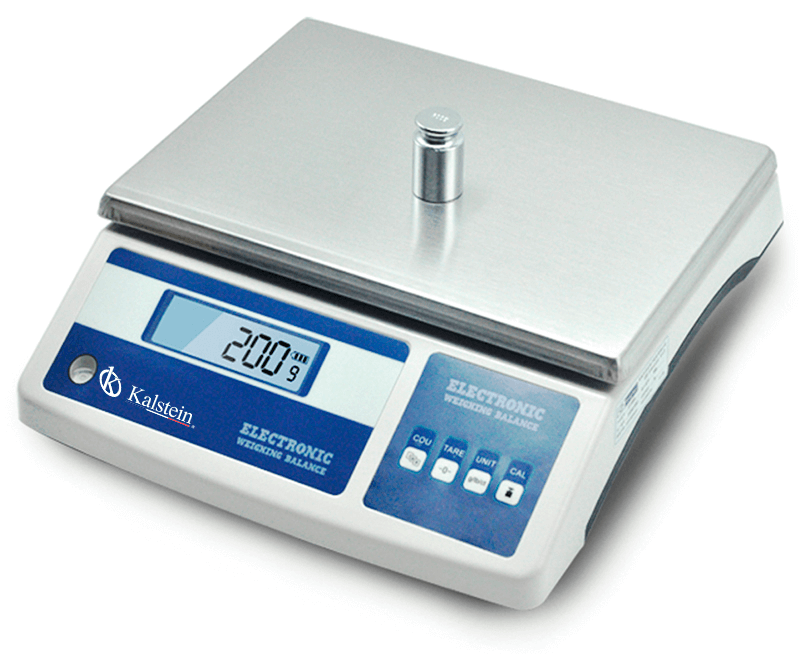
How to Achieve LIMS Integration and Data Digitalization with Industrial Balances?
In the landscape of laboratory operations, the integration of Laboratory Information Management Systems (LIMS) with industrial balances is crucial for optimizing data workflows. This article focuses on how modern industrial balances not only enhance measurement accuracy but also streamline data management processes through effective digitalization. In exploring this theme, we will analyze various models of industrial balances, highlighting their features, specifications, and applications in a laboratory setting.
The Importance of LIMS Integration in Laboratories
LIMS integration allows laboratories to manage samples, associated data, and workflows effectively. By connecting industrial balances to LIMS, laboratories can automate data collection, reduce human errors, and enhance traceability. This integration can also improve regulatory compliance and facilitate real-time data access, which is essential for decision-making in high-stakes research environments.
Data Digitalization in Laboratory Workflow
Data digitalization refers to the conversion of data into a digital format, which can be easily accessed, processed, and analyzed. In the context of industrial balances, digitalization enables seamless data transfer and storage, greatly enhancing efficiency and accuracy. It allows for the direct transfer of weight measurements into LIMS, minimizing manual entry and the risk of errors.
Compatibility of Industrial Balances with LIMS
Not all industrial balances have the same level of compatibility with LIMS. Understanding the specific connectivity protocols supported by each model is crucial for successful integration. Common protocols include ASTM, HL7, and RESTful APIs. Knowing which models offer these features will allow laboratories to select the best balance for their needs.
Comparison of Available Models
| Model | Capacity (kg) | Readability (g) | Best for | Integration Effort |
|---|---|---|---|---|
| YR05606 | 11 | 1 | General laboratory use | Moderate |
| YR05607 | 16 | 1 | Heavy samples | Moderate |
| YR05608 | 21 | 1 | Food and beverage testing | Moderate |
| YR05609 | 31 | 1 | Industrial applications | High |
| YR05610 | 5.1 | 0.1 | Precision tasks | Low |
| YR05611 | 11 | 0.1 | Laboratory research | Low |
| YR05612 | 16 | 0.1 | Quality control | Low |
| YR05613 | 21 | 0.1 | Pharmaceuticals | Low |
| YR05614 | 26 | 0.1 | Heavy-duty applications | Moderate |
Common Mistakes and How to Avoid Them
One of the most common mistakes laboratories make is underestimating the importance of LIMS integration during the selection of industrial balances. Another frequent misstep is failing to fully understand the connectivity options available with each model. To avoid these pitfalls, it is essential for laboratories to assess their specific needs in terms of data management and to consult technical specifications before making a purchase.
How can I ensure my industrial balance is compatible with LIMS integration?
To ensure compatibility, laboratory managers should choose models like YR05609 that explicitly support various connectivity protocols such as ASTM and HL7. Reviewing the manufacturer's documentation will provide insights into integration features.
What are the benefits of digitalizing workflows in a laboratory setting?
Digitalizing workflows through tools like LIMS can significantly improve accuracy and efficiency. For instance, integrating YR05608 allows for automatic data entry, reducing the chances of human error and streamlining operations.
Which industrial balance is best for heavy-duty applications and LIMS integration?
The YR05609 model stands out for heavy-duty applications and offers robust LIMS integration capabilities, making it suitable for laboratories handling large samples and requiring accurate data management.
How can I avoid manual errors when using industrial balances?
Utilizing balances like the YR05610 with LIMS integration minimizes manual entry, which is a primary source of errors. By automating data transfer, laboratories can enhance data accuracy and reliability.
What key specifications should I look for in an industrial balance?
Key specifications include capacity, readability, and integration options. Models like YR05611 offer high readability of 0.1 g, making them ideal for precision tasks in laboratory settings.
Can I enhance laboratory productivity with LIMS-integrated industrial balances?
Yes, integrating balances such as the YR05612 can enhance productivity by automating data recording and reducing processing times, thereby allowing for more samples to be handled within the same timeframe.
What should I consider when selecting an industrial balance for my laboratory?
Consider factors such as capacity requirements, desired readability, and compatibility with existing systems. For instance, the YR05614 offers a high capacity of 26 kg, suitable for large samples.
How can LIMS integration improve regulatory compliance in my laboratory?
Integrating LIMS with industrial balances like YR05606 helps maintain thorough records and traceability, which is essential for meeting standards such as ISO 17025, thus enhancing regulatory compliance.
Request a quote on Kalstein Plus to explore which industrial balance will best fit your laboratory's needs for LIMS integration and data digitalization.
If you are looking for a fusion of innovation and quality, you have come to the right place. At Kalstein, we offer you the luxury of exploring our exclusive catalog of laboratory equipment. We manufacture every device to the highest standards of excellence. Our intuitive and seamless online purchasing channels are designed for your convenience, securing the most competitive prices. Hesitate no longer — we bring science to life, it is time to become part of our community.