How to Achieve Seamless LIMS Integration with Histopathology Accessories
In the evolving landscape of laboratory medicine, the integration of laboratory information management systems (LIMS) with histopathology accessories has become imperative. This integration enhances data flow, improves efficiency, and supports laboratory professionals in managing complex workflows. Choosing the right histopathology accessories can significantly impact the effectiveness of your LIMS. In this article, we will explore various models of histopathology consumables, their features, and how they align with LIMS integration strategies.
Understanding the Role of Histopathology Accessories in LIMS Integration
Histopathology accessories, including microtome blades and embedding cassettes, play a crucial role in specimen processing and analysis. They are essential for ensuring the quality and accuracy of histological results. In a LIMS-integrated environment, these accessories must be compatible with digital workflows to facilitate seamless data capture and reporting. Understanding their specifications and how they fit into your laboratory's operations is vital for maximizing efficiency and minimizing errors.
Key Features to Look for in Histopathology Accessories
When selecting histopathology accessories for LIMS integration, consider features such as compatibility with existing LIMS, standardization of protocols, and ease of use. Accessories should support automated data entry, allow for easy tracking of samples, and integrate well with laboratory instruments. This ensures that data flow is uninterrupted and allows for more accurate reporting and analysis.
Comparison of Available Models
| Model | Type | Supported Protocols | Best for |
|---|---|---|---|
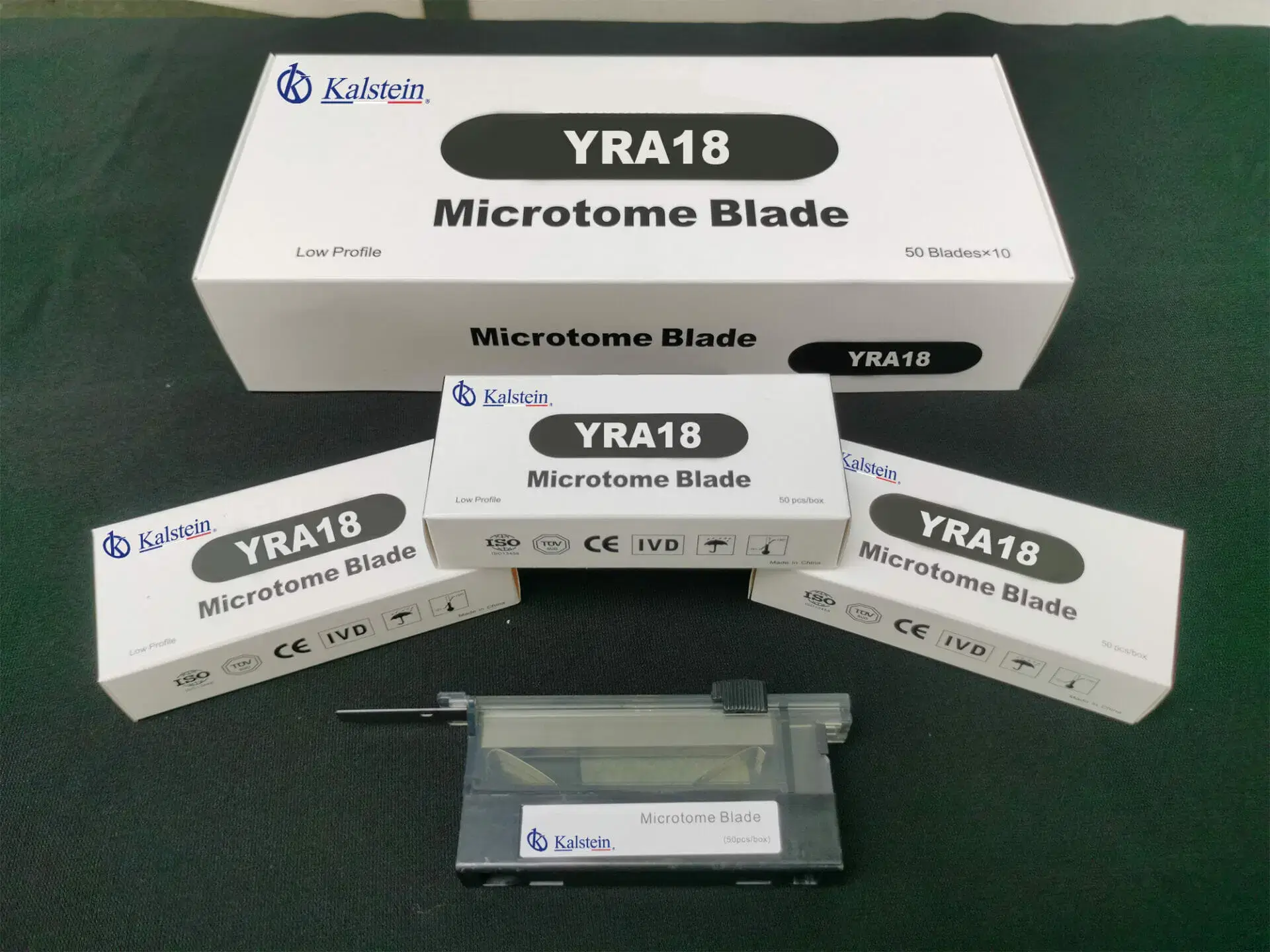
| YRA18-1 | Disposable microtome blade (Low profile) | Manual entry | Low-volume tissue processing |
| YRA19-1 | Disposable microtome blade (High profile) | Manual entry | Standard tissue processing |
| YRA20-1 | Tissue embedding cassette | ASTM, LIS2-A2 | Embedding large specimens |
| YRA21-1 | Plastic cassette with plastic cover | ASTM, LIS2-A2 | Routine histology |
| YRA33-2 | Paraffin block | Manual entry | Large volume tissue processing |
| YRA33-3 | Granular paraffin | Manual entry | Embedding and sectioning |
Common Mistakes and How to Avoid Them
One common mistake in LIMS integration with histopathology accessories is selecting incompatible models that do not support necessary data protocols. It is crucial to ensure that chosen accessories align with LIMS requirements, including data formats and connectivity options. Additionally, not training laboratory staff on new procedures can lead to significant errors; thus, comprehensive training is essential for a smooth transition.
Best Practices for LIMS Integration
To effectively integrate histopathology accessories with LIMS, labs should establish clear protocols for data entry and sample tracking. Utilizing standardized formats across all accessories can minimize discrepancies. Regularly updating software and ensuring all devices are compatible with the latest standards is also vital for maintaining system integrity and performance.
Potential Impact on Laboratory Efficiency
Integrating histopathology accessories with LIMS can lead to considerable improvements in laboratory efficiency. By automating data capture, reducing manual errors, and streamlining workflows, laboratories can expect a decrease in turnaround times for histological results. This efficiency not only improves laboratory productivity but also enhances the overall quality of patient care.
Frequently Asked Questions
How does LIMS integration improve the workflow of histopathology labs?
LIMS integration can significantly streamline workflows in histopathology labs by automating data entry and tracking. Models like the YRA20-1 tissue embedding cassette facilitate effective sample management, allowing for faster processing and fewer errors, thus improving overall efficiency.
Which protocols are essential for integrating histopathology accessories with LIMS?
Essential protocols for LIMS integration include ASTM and LIS2-A2, which support data interoperability. Accessories like the YRA21-1 plastic cassette are designed to align with these protocols, ensuring smooth data management and reporting in histopathology labs.
What are the benefits of using low-profile microtome blades in LIMS-integrated systems?
Low-profile microtome blades, such as the YRA18-1, are beneficial in LIMS-integrated systems for providing high-quality sections with minimal waste. Their compatibility with automated systems enhances efficiency and accuracy in sample processing.
How can granular paraffin improve data flow in histopathology laboratories?
Granular paraffin, like the YRA33-3, promotes better embedding of samples, enhancing the quality of histological sections. This improvement leads to more reliable data, which is crucial for effective LIMS integration and accurate reporting.
What role do embedding cassettes play in LIMS integration for specimen tracking?
Embedding cassettes, such as the YRA20-1, play a critical role in tracking specimens throughout the histopathology workflow. Their integration with LIMS allows for precise data capture and monitoring of sample status, thereby improving laboratory management.
How much time can LIMS integration save in histopathology processes?
LIMS integration can save substantial time in histopathology processes by automating data entry and sample tracking. Labs utilizing technologies like the YRA19-1 high-profile microtome blade report decreased turnaround times, enhancing overall lab productivity.
What are the cost implications of integrating LIMS with histopathology accessories?
Integrating LIMS with histopathology accessories can involve significant initial costs, but it leads to long-term savings through reduced errors and increased efficiency. For example, using the YRA33-2 paraffin block can optimize resource use and minimize waste, contributing to overall cost-effectiveness.
How can laboratories ensure their histopathology accessories align with LIMS requirements?
To ensure alignment with LIMS requirements, laboratories should select accessories that support essential protocols and data formats. Accessories like the YRA21-1 plastic cassette are designed for compatibility, which facilitates seamless integration and data management.
If you are looking for a fusion of innovation and quality, you have come to the right place. At Kalstein, we offer you the luxury of exploring our exclusive catalog of laboratory equipment. We manufacture every device to the highest standards of excellence. Our intuitive and seamless online purchasing channels are designed for your convenience, securing the most competitive prices. Hesitate no longer — we bring science to life, it is time to become part of our community.