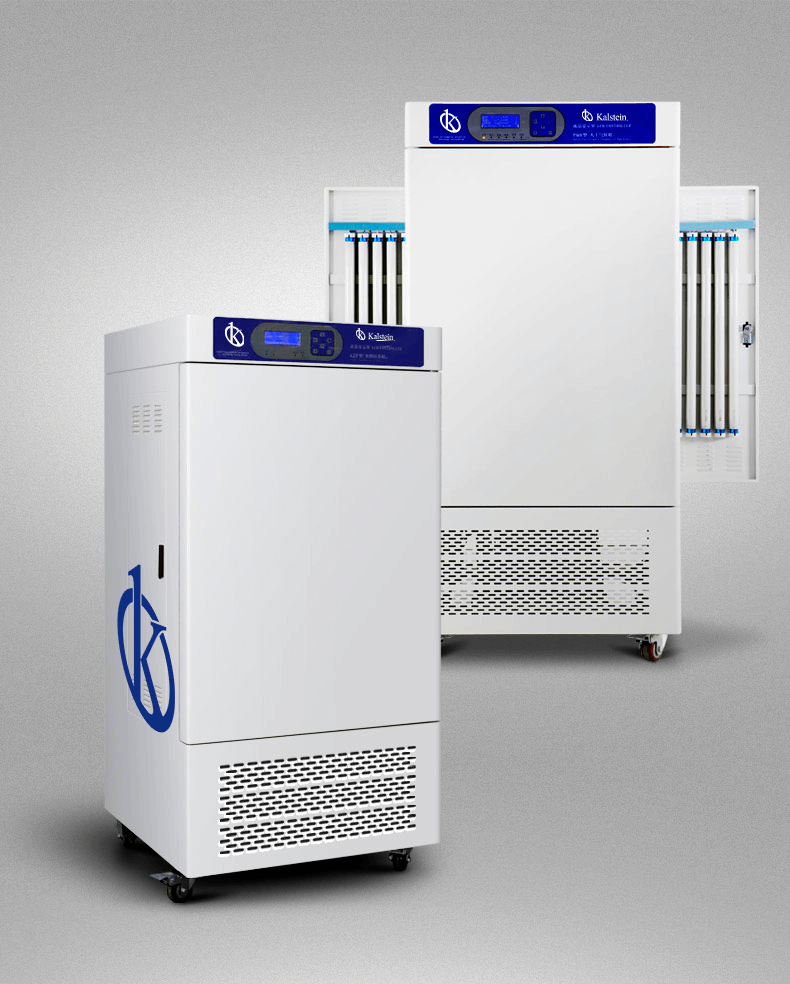
How to Optimize LIMS Integration in Environmental Chambers for Effective Data Flow?
As laboratories increasingly rely on digital solutions for data management, the integration of Laboratory Information Management Systems (LIMS) with environmental chambers has become a focal point for enhancing operational efficiency. This article delves into the critical aspects of integrating LIMS with environmental chambers, exploring various models and their capabilities in the context of data flow optimization and management.
Understanding Environmental Chambers and Their Role in Data Management
Environmental chambers play a pivotal role in simulating specific climatic conditions for research and testing purposes. Facilities utilizing these chambers must ensure seamless data flow between the equipment and LIMS, allowing for accurate data collection, retrieval, and analysis. The integration facilitates compliance with regulatory standards, enhances traceability, and improves overall laboratory productivity.
Key Features of Environmental Chambers and Their LIMS Integration Capability
When evaluating environmental chambers for LIMS integration, critical features include temperature and humidity control, monitoring capabilities, and connectivity options. Options such as the Artificial Climate Incubator YR05328, YR05329, and YR05330 are designed with advanced features to support LIMS integration:
- YR05328: Ideal for biological research, offering a temperature range of 10-60°C and humidity control of 50-90%.
- YR05329: This model supports more advanced applications with a maximum lighting range and enhanced temperature uniformity, suitable for agriculture and environmental sciences.
- YR05330: Provides the highest volume and power efficiency, perfect for extensive testing scenarios.
Connecting Environmental Chambers to LIMS: Key Protocols and Standards
To achieve effective integration, laboratories must employ compatible protocols such as HL7, ASTM, and REST. These standards allow for bidirectional data exchange between the environmental chambers and the LIMS, ensuring that all data is accurate and up-to-date. The chosen environmental chamber's capabilities must align with these protocols to ensure seamless connectivity.
Common Integration Challenges and Solutions
While integrating environmental chambers with LIMS, laboratories may face challenges such as compatibility issues, data discrepancies, and system downtime. To mitigate these issues, it is essential to conduct thorough compatibility tests before full implementation, ensure regular system updates, and invest in training staff on data management practices.
Comparison of Available Models
| Model | Connectivity | Protocols Supported | Integration Effort | Best For |
|---|---|---|---|---|
| YR05328 | Wi-Fi, Ethernet | HL7, ASTM | Moderate | Biological Research |
| YR05329 | Wi-Fi, Ethernet | REST, ASTM | High | Agricultural Testing |
| YR05330 | Wi-Fi, Ethernet | REST, HL7 | High | Environmental Studies |
Strategies for Effective Data Flow Optimization
Optimizing data flow between environmental chambers and LIMS can significantly enhance laboratory productivity. Strategies include setting up automated data logging, ensuring real-time data synchronization, and leveraging cloud-based LIMS solutions for enhanced data accessibility. By implementing these strategies, laboratories can reduce manual entry errors and improve data integrity.
Common Mistakes and How to Avoid Them
Laboratories often make mistakes during the LIMS integration process, such as underestimating the importance of training staff, failing to perform adequate testing, and neglecting to update software regularly. To avoid these pitfalls, labs should develop a comprehensive integration plan that includes staff training, regular system audits, and robust support from the vendors.
Frequently Asked Questions
How does LIMS integration enhance the functionality of environmental chambers?
LIMS integration enhances environmental chambers like YR05328 by automating data capture and management, improving accuracy, and enabling compliance with standards such as ISO 17025.
What are the connectivity options for YR05329 in a LIMS setup?
The YR05329 offers Wi-Fi and Ethernet connectivity, supporting protocols like REST and ASTM for seamless integration with LIMS systems.
Which environmental chamber model is best for agricultural research integration?
The YR05329 is best for agricultural research, incorporating advanced features for temperature and humidity control, making it compatible with LIMS integration.
How can I ensure data accuracy in my LIMS-integrated environmental chamber?
To ensure data accuracy, use the YR05330, which offers advanced monitoring capabilities and regular calibration intervals to maintain compliance with critical standards.
What challenges can arise from integrating environmental chambers with LIMS?
Common challenges include compatibility issues and data discrepancies. Adopt rigorous testing and staff training measures to address these effectively.
What are the benefits of cloud-based LIMS for environmental chamber integration?
Cloud-based LIMS solutions improve data accessibility and real-time monitoring, enhancing the functionality of environmental chambers like YR05328.
How can I optimize energy consumption in environmental chambers?
Choosing models like YR05330, designed for energy efficiency, and implementing effective monitoring can significantly reduce energy costs during operation.
What is the typical return on investment for LIMS integration in environmental chambers?
The return on investment varies, but by improving efficiency and reducing errors, labs can often recover integration costs within 12-24 months.
If you are looking for a fusion of innovation and quality, you have come to the right place. At Kalstein, we offer you the luxury of exploring our exclusive catalog of laboratory equipment. We manufacture every device to the highest standards of excellence. Our intuitive and seamless online purchasing channels are designed for your convenience, securing the most competitive prices. Hesitate no longer — we bring science to life, it is time to become part of our community.