How to Ensure LIMS Integration and Data Flow Digitalization with Ultrasonic Cleaners
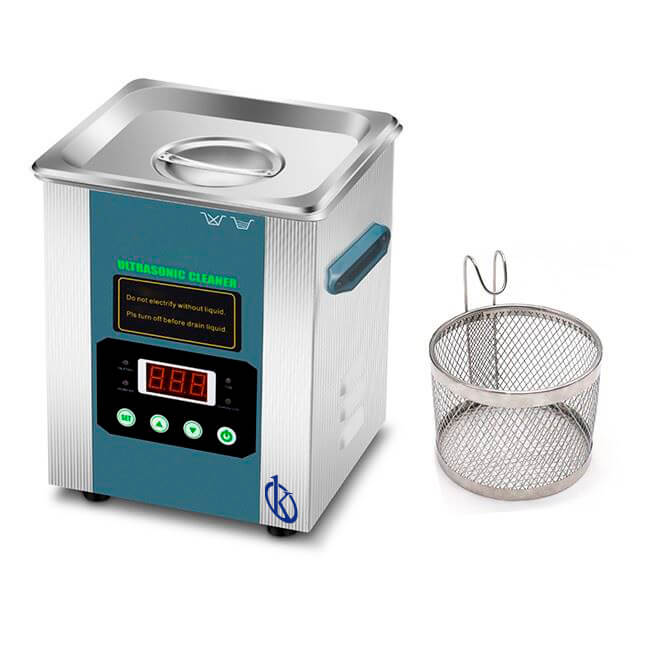
In the rapidly evolving laboratory environment, the integration of Laboratory Information Management Systems (LIMS) and the digitalization of data flows have become pivotal in enhancing operational efficiency. Ultrasonic cleaners, particularly digital display models, play a crucial role in this transformation. With features tailored for seamless data connectivity and automation, these devices help laboratories optimize their workflows, ensuring compliance with stringent industry standards.
Understanding LIMS Integration in Laboratory Settings
A Laboratory Information Management System (LIMS) serves as a backbone for data management in laboratories, allowing for the seamless tracking of samples, testing processes, and results. Integrating ultrasonic cleaners with LIMS can significantly improve data handling capabilities by automating the recording and processing of cleaning cycles, thereby reducing human error and enhancing traceability.
Key Benefits of Digital Display Ultrasonic Cleaners
Digital display ultrasonic cleaners offer several advantages that facilitate LIMS integration:
- Automated Data Capture: Many modern ultrasonic cleaners are equipped with features that enable automatic documentation of cleaning parameters, which can be easily integrated into a LIMS.
- Improved Traceability: By automating data entry, these cleaners enhance traceability within the laboratory, ensuring compliance with standards such as ISO 17025.
- Consistency and Repeatability: Digital controls ensure consistent cleaning cycles, crucial for laboratories that require reproducible results.
Comparison of Available Models
| Model | Connectivity | Supported Protocols | Integration Effort | Best For |
|---|---|---|---|---|
| YR05208 | None | N/A | Low | Jewelry cleaning |
| YR05209 | None | N/A | Low | Home use |
| YR05212 | None | N/A | Medium | General cleaning |
| YR05213 | None | N/A | Medium | Heavy-duty cleaning |
| YR05214 | None | N/A | High | Industrial applications |
| YR05215 | None | N/A | High | Large-scale operations |
Common Mistakes and How to Avoid Them
Many laboratories make critical errors when integrating ultrasonic cleaners into their workflows. Here are some common pitfalls and tips for avoiding them:
- Neglecting Compatibility: Ensure that the ultrasonic cleaner you choose is compatible with your existing systems, especially if you aim to integrate it with a LIMS.
- Underestimating Training Needs: Staff should be thoroughly trained on how to operate the ultrasonic cleaner and understand its data output capabilities to maximize its benefits.
- Ignoring Maintenance: Regular maintenance is crucial for optimal performance and longevity of ultrasonic cleaners. Schedule routine checks and cleaning to avoid downtimes.
Optimizing Data Flow with Ultrasonic Cleaners
To enhance data flow digitalization in the laboratory, ultrasonic cleaners can be utilized effectively. These devices help streamline processes by providing accurate data on cleaning times and cycles, which can be automatically logged into the LIMS.
Automation and Data Capture
The integration of ultrasonic cleaners with LIMS enables automatic data capture, which reduces the administrative burden on laboratory personnel. For instance, the YR05212 model can incorporate data outputs that align with laboratory protocols, ensuring that cleaning processes are logged accurately without manual intervention.
Improving Workflow Efficiency
By integrating ultrasonic cleaners with LIMS, laboratories can achieve higher throughput by reducing the time spent on manual data entry. This integration allows for real-time monitoring of cleaning processes, informing staff when maintenance is needed and ensuring compliance with safety and quality standards.
Frequently Asked Questions
How does LIMS integration enhance the functionality of ultrasonic cleaners?
LIMS integration enhances ultrasonic cleaners by automating data logging and ensuring that cleaning protocols comply with industry standards. For example, models like YR05209 can streamline the data flow, improving efficiency and accuracy in laboratory settings.
What are the key features to look for in a digital ultrasonic cleaner for lab use?
Key features include digital controls, programmable cleaning times, and compatibility with LIMS. Models like YR05214 offer robust functionalities that meet the demands of high-throughput laboratories.
How can ultrasonic cleaners improve traceability in laboratory operations?
Ultrasonic cleaners improve traceability by automatically documenting cleaning cycles, which can be integrated into a LIMS. For instance, the YR05215 model can log cleaning parameters, ensuring compliance with regulations such as ISO 17025.
What are the implications of integrating ultrasonic cleaners with LIMS for data digitalization?
Integrating ultrasonic cleaners with LIMS enables seamless data digitalization, making it easier to track cleaning cycles and maintain compliance. This integration enhances operational efficiency, particularly in models like YR05212 that provide extensive data outputs.
What factors should be considered when selecting an ultrasonic cleaner for LIMS integration?
When selecting an ultrasonic cleaner, consider its connectivity options, data output capabilities, and compatibility with current LIMS. The YR05213 model is designed with features that facilitate integration, making it an ideal choice for labs focused on improving data flow.
What maintenance practices are necessary for ultrasonic cleaners in a LIMS-managed lab?
Regular maintenance includes cleaning the tank, checking transducers, and ensuring digital displays function correctly. Following a maintenance schedule, as applicable to models like YR05214, ensures optimal performance and longevity.
How do ultrasonic cleaners contribute to laboratory compliance with ISO standards?
Ultrasonic cleaners contribute to compliance by providing consistent cleaning results and documented cycles, essential for ISO standards adherence. The YR05215 model is equipped to meet these requirements efficiently.
What are the benefits of using heated ultrasonic cleaners in a LIMS environment?
Heated ultrasonic cleaners, like the YR05212, improve cleaning efficiency and help remove tougher contaminants. This increased cleaning effectiveness supports a LIMS environment by providing reliable and reproducible results.
If you are looking for a fusion of innovation and quality, you have come to the right place. At Kalstein, we offer you the luxury of exploring our exclusive catalog of laboratory equipment. We manufacture every device to the highest standards of excellence. Our intuitive and seamless online purchasing channels are designed for your convenience, securing the most competitive prices. Hesitate no longer — we bring science to life, it is time to become part of our community.