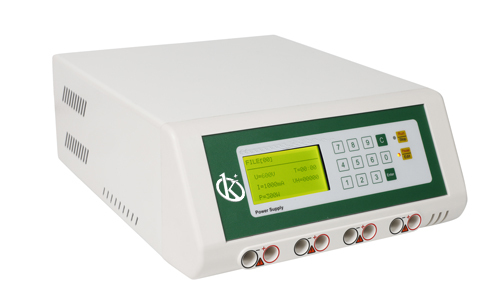
LIMS Integration and Data Flow Digitalization in High-Voltage Power Supplies
As laboratories increasingly move towards automation and digitalization, the integration of Laboratory Information Management Systems (LIMS) with high-voltage power supplies has become essential. This integration not only streamlines data flow but also enhances overall laboratory efficiency, ensuring compliance with various standards and improving productivity. In this article, we will delve into how LIMS integration can benefit high-voltage power supply systems, highlighting specific models and their respective features.
Understanding LIMS Integration in High-Voltage Power Supplies
LIMS integration refers to the connection of laboratory equipment with software systems that manage samples, associated data, and laboratory workflows. For high-voltage power supplies, such integration facilitates real-time data monitoring, enhances traceability, and enables better decision-making through analytics. Various connectivity protocols such as HL7 and ASTM play a crucial role in ensuring seamless communication between systems.
Benefits of Digitalizing Data Flow
Digitalizing data flow through integration with LIMS allows laboratories to automate data entry, reducing human error. It provides a centralized location for data storage, making information retrieval more efficient. Additionally, this digital approach supports compliance with industry regulations, promotes better resource management, and facilitates effective reporting capabilities.
Key Features for LIMS Integration
When evaluating high-voltage power supplies for LIMS integration, certain features stand out. These include:
- Connectivity Options: Models that support various protocols and interfacing options ensure compatibility with existing LIMS.
- Data Export Capabilities: High-voltage power supplies should enable data export in formats that LIMS can easily digest.
- Real-Time Monitoring: Continuous monitoring of voltage and current can yield critical insights, enhancing operational effectiveness.
Comparison of Available Models
| Model | Output Range (V) | Control Type | Integration Capability | Best Application |
|---|---|---|---|---|
| YR03409 | 20–3000 | Microprocessor Control | HL7, ASTM | Electrophoresis |
| YR03408 | 20–5000 | Microprocessor Control | HL7, ASTM | Complex Experiments |
| YR03405 | 10–600 | Microprocessor Control | HL7, ASTM | Standard Testing |
| YR03406 | 20–1600 | Microprocessor Control | HL7, ASTM | Research Applications |
| YR03407 | 20–3000 | Microprocessor Control | HL7, ASTM | High-Precision Work |
Common Mistakes and How to Avoid Them
When integrating high-voltage power supplies with LIMS, laboratories often make mistakes that can hinder performance. Common errors include:
- Ignoring Compatibility: Ensure that the selected power supply is compatible with existing LIMS. Models like YR03409 support standard protocols.
- Insufficient Training: Lab staff should be adequately trained to use the integrated system effectively.
- Neglecting Data Security: Ensure that data transfer protocols are secure to protect sensitive information.
Frequently Asked Questions
How can LIMS integration enhance the efficiency of high-voltage power supplies?
LIMS integration can significantly enhance the efficiency of high-voltage power supplies by automating data collection and reducing manual entry errors. For instance, the YR03408 model facilitates real-time data sharing, allowing laboratories to streamline workflows and improve productivity.
What are the best practices for integrating high-voltage power supplies with LIMS?
Best practices include ensuring compatibility with protocols such as ASTM and HL7, training staff thoroughly on new systems, and conducting regular audits to maintain data integrity. Models like YR03406 provide robust integration features that can simplify this process.
Which high-voltage power supply model offers optimal LIMS support?
The YR03409 model is known for its excellent LIMS support, featuring multiple connectivity options and a broad output voltage range, making it ideal for diverse laboratory applications.
What are the challenges of integrating high-voltage power supplies with LIMS?
Challenges may include compatibility issues, data security risks, and the complexity of training staff. Choosing models like YR03408 that come with extensive support for integration can mitigate many of these issues.
How does data flow digitalization improve laboratory compliance?
Data flow digitalization enhances compliance by ensuring that all laboratory data is recorded accurately and is easily retrievable for audits. Models such as YR03407 help maintain compliance with regulatory standards through their automated data management features.
What is the cost of high-voltage power supplies with LIMS integration features?
Costs can vary; for example, the YR03405 model is priced at approximately $967.20 and offers several integration capabilities suitable for compliance-driven labs.
How do high-voltage power supplies vary in terms of output capabilities?
High-voltage power supplies like the YR03408 provide a wider output range of 20-5000V, making them suitable for complex experimental setups, whereas the YR03405 model offers a narrower range for standard testing.
What are the advantages of using microprocessor-controlled high-voltage power supplies?
Microprocessor-controlled high-voltage power supplies, such as the YR03406, offer enhanced precision and automation, enabling laboratories to execute complex experiments with greater accuracy and reduced human error.
If you are looking for a fusion of innovation and quality, you have come to the right place. At Kalstein, we offer you the luxury of exploring our exclusive catalog of laboratory equipment. We manufacture every device to the highest standards of excellence. Our intuitive and seamless online purchasing channels are designed for your convenience, securing the most competitive prices. Hesitate no longer — we bring science to life, it is time to become part of our community.