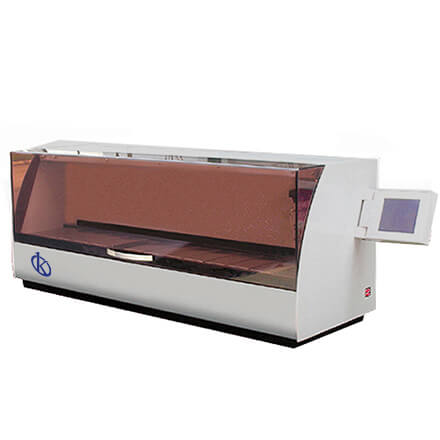
How to Achieve LIMS Integration with Automatic Slide Stainers
The integration of laboratory instruments, such as automatic slide stainers, with Laboratory Information Management Systems (LIMS) is pivotal for enhancing data management and improving laboratory workflows. With the increasing demand for high efficiency and accuracy in laboratories, the focus on digitalization and seamless data flow is more crucial than ever. In this article, we will delve into how automatic slide stainers can achieve LIMS integration, ensuring optimal performance in pathological anatomy.
Understanding Automatic Slide Stainers
Automatic slide stainers are laboratory devices designed to automate the process of staining specimens on slides, which is essential in pathological examinations. These devices enhance throughput while minimizing the risk of human error. By automating the staining process, laboratories can save time, reduce reagent waste, and improve consistency in results.
Benefits of LIMS Integration
Integrating automatic slide stainers with LIMS provides numerous benefits, including streamlined data management, enhanced traceability, and improved compliance with regulatory standards. This integration allows for real-time data collection, enabling laboratories to track sample status, manage workflow, and ensure quality control.
Connectivity Protocols for LIMS Integration
Various connectivity protocols can be used to integrate automatic slide stainers with LIMS. Some common ones include HL7, ASTM, and REST APIs. Understanding these protocols is essential for selecting the right model for your laboratory needs.
Comparison of Available Models
| Model | Connectivity | Protocols Supported | Integration Effort | Best For |
|---|---|---|---|---|
| YR435 | Yes | HL7, REST | Moderate | High volume labs |
| YR435-1 | Yes | ASTM | High | Specialty staining |
| YR436-1 | No | None | Low | Small labs |
Key Features of Each Model
Each model of automatic slide stainers offers distinct features suitable for various laboratory requirements, especially regarding LIMS integration.
- YR435: Known for its smart water flow system, ensuring water cleanliness and improved efficiency.
- YR435-1: Features modular electronic design, allowing for simultaneous staining processes, making it ideal for high-throughput environments.
- YR436-1: A compact design that facilitates placement in tight spaces, optimal for small laboratories.
Common Mistakes and How to Avoid Them
When integrating automatic slide stainers with LIMS, common mistakes include underestimating the complexity of data transfer and failing to train staff adequately. It is crucial to develop a robust integration plan and provide thorough training to ensure successful implementation.
Frequently Asked Questions
How does LIMS integration improve workflows in automatic slide staining processes?
LIMS integration enhances workflows by allowing real-time tracking of sample status and minimizing manual data entry errors. For example, models like YR435 support HL7 protocols, ensuring seamless data exchange between devices and the LIMS.
What are the key connectivity protocols for automatic slide stainers?
Common connectivity protocols include HL7 and ASTM. For instance, model YR435-1 supports ASTM, permitting standardized communication with LIMS, which is essential for data accuracy.
How can I ensure compliance with regulations using automatic slide stainers?
Compliance can be achieved by selecting models that support necessary connectivity protocols and have features designed for data traceability, such as YR435, which has a smart water flow system for enhanced accuracy.
Which automatic slide stainer is best for high-volume laboratories?
The YR435 model is particularly suited for high-volume laboratories due to its smart design and extensive processing capacity, making it ideal for LIMS integration and efficient workflow management.
What factors should I consider when integrating a new slide stainer with LIMS?
Key factors include compatibility with existing systems, the complexity of integration, and the training required for staff. Models like YR435-1, which support multiple staining protocols, can offer greater flexibility.
How does automatic slide staining affect reagent consumption?
Automatic slide staining can significantly reduce reagent consumption by optimizing usage during the staining process. For example, the YR436-1 model utilizes a flexible design that minimizes waste while maintaining high efficiency.
What is the expected ROI from implementing LIMS with automatic slide stainers?
The ROI from LIMS integration can vary, but investing in models like YR435 often leads to reduced operational costs and improved throughput, resulting in an estimated payback period of fewer than 12 months.
How can I optimize the performance of my automatic slide stainer?
Regular maintenance and calibration of devices like the YR436-1 can enhance performance. Additionally, ensuring seamless LIMS integration helps maintain consistent workflow and data accuracy.
If you are looking for a fusion of innovation and quality, you have come to the right place. At Kalstein, we offer you the luxury of exploring our exclusive catalog of laboratory equipment. We manufacture every device to the highest standards of excellence. Our intuitive and seamless online purchasing channels are designed for your convenience, securing the most competitive prices. Hesitate no longer — we bring science to life, it is time to become part of our community.