Laboratory Pipettes: Applications in Research, Biotechnology, and Academia 2026
What is it used for in 2026
In 2026, laboratory pipettes are indispensable tools used across various fields such as research, biotechnology, and academia. These devices allow for the precise transfer of liquids, which is crucial for experiments, sample preparation, and analysis. Laboratory professionals utilize pipettes to ensure accurate measurements and reproducibility in their assays.
Laboratory pipettes come in various types including air displacement, positive displacement, and electronic pipettes. The air displacement pipettes are widely used due to their versatility and ease of use, making them ideal for a broad range of laboratory applications. Positive displacement pipettes are preferred when working with highly viscous or volatile liquids, while electronic pipettes are favored for their precision and efficiency, especially in high-throughput environments.
History and evolution of the technology
The evolution of pipetting technology began in the 1950s with the introduction of the first mechanical pipettes. These early models set the groundwork for future advancements in laboratory instruments. Over the years, advancements in materials and engineering design have led to the development of more accurate and user-friendly pipettes. In the 1980s, the introduction of electronic pipettes revolutionized the way laboratory professionals handle liquids, making it possible to automate repetitive tasks and reduce the risk of human error.
Today, pipettes are designed with ergonomics in mind, ensuring that users can conduct their tasks with comfort, reducing fatigue over long periods. Innovations such as disposable tips, electronic volume adjustments, and built-in calibration features have further increased the efficiency and reliability of these instruments.
How to use it step by step
Using a laboratory pipette effectively requires a systematic approach. Here is a step-by-step guide:
- Select the appropriate pipette: Choose a pipette that is suitable for the volume range of your liquid sample.
- Attach a disposable tip: Securely attach a new, sterile disposable tip to the pipette to avoid contamination.
- Set the volume: Adjust the pipette to the desired volume using the volume adjustment dial.
- Prepare the liquid: Ensure the liquid sample is well mixed and in a suitable container for pipetting.
- Draw the liquid: Press the pipette plunger to the first stop, submerge the tip into the liquid, and slowly release the plunger to draw liquid into the tip.
- Dispense the liquid: Position the tip over the receiving container, press the plunger to the second stop to fully dispense the liquid, ensuring that the tip does not touch the sides of the container.
- Remove the tip: Eject the used tip into a waste container without contaminating yourself.
Best techniques and protocols
To achieve accurate and reproducible results with pipettes, consider the following techniques and protocols:
- Always pre-wet the pipette tip by aspirating and dispensing the liquid you will be using.
- Avoid drawing liquid into the pipette tip past the recommended limit to prevent contamination.
- Use consistent pipetting speed to minimize variability in volume dispensed.
- Ensure pipette tips are compatible with your pipette model to avoid leaks or inaccuracies.
- Calibrate your pipettes regularly according to the manufacturer's guidelines to maintain accuracy.
- Utilize the reverse pipetting technique when dealing with viscous or foaming liquids.
Practical applications by laboratory type
Laboratory pipettes find applications in various laboratory settings, including:
- Research Laboratories: Used for sample preparation, dilution series, and assay setup.
- Biotechnology: Essential in PCR preparations, enzyme reactions, and cell culture.
- Clinical Laboratories: Employed in diagnostics, blood sample analysis, and microbiological studies.
- Educational Institutions: Used in teaching laboratories for experiments and practical training.
Regulations, standards and certifications
In the laboratory environment, adherence to regulations and standards is crucial. Common certifications for pipettes include ISO 8655, which outlines the requirements for the performance of piston-operated volumetric apparatus. Calibration standards such as those set by the International Organization for Standardization (ISO) ensure that pipettes meet specific accuracy and precision criteria.
Laboratories must also comply with Good Laboratory Practices (GLP) and Good Manufacturing Practices (GMP) to maintain quality assurance in their procedures, ensuring data integrity and reliable outcomes.
Comparison with alternative technologies
While laboratory pipettes are the most common liquid handling tools, alternative technologies include:
- Mechanical Dispensers: Useful for dispensing larger volumes but less precise than pipettes.
- Automated Liquid Handlers: Best for high-throughput environments, offering speed and accuracy at a higher cost.
- Syringe Pumps: Ideal for controlled dispensing of liquids, especially in research applications.
Each alternative has its strengths and weaknesses, and the choice depends on the specific requirements of the laboratory workflow.
Comparison of available models
| Model | Best for | Key specs | Recommended use case |
|---|---|---|---|
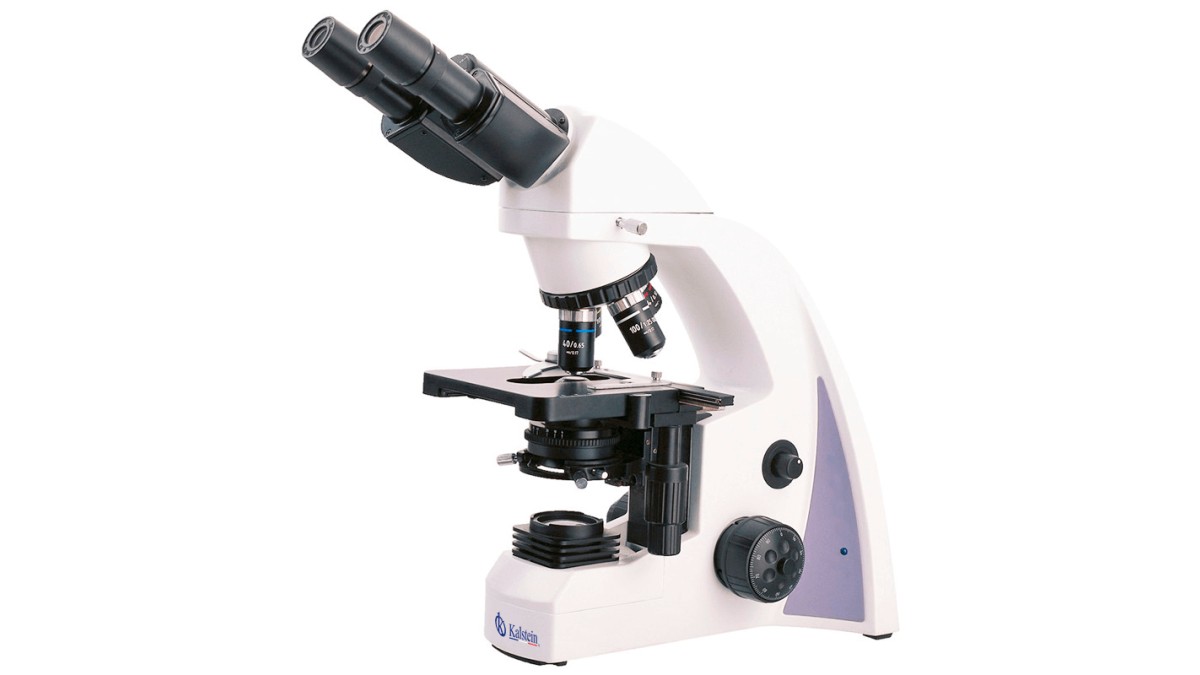
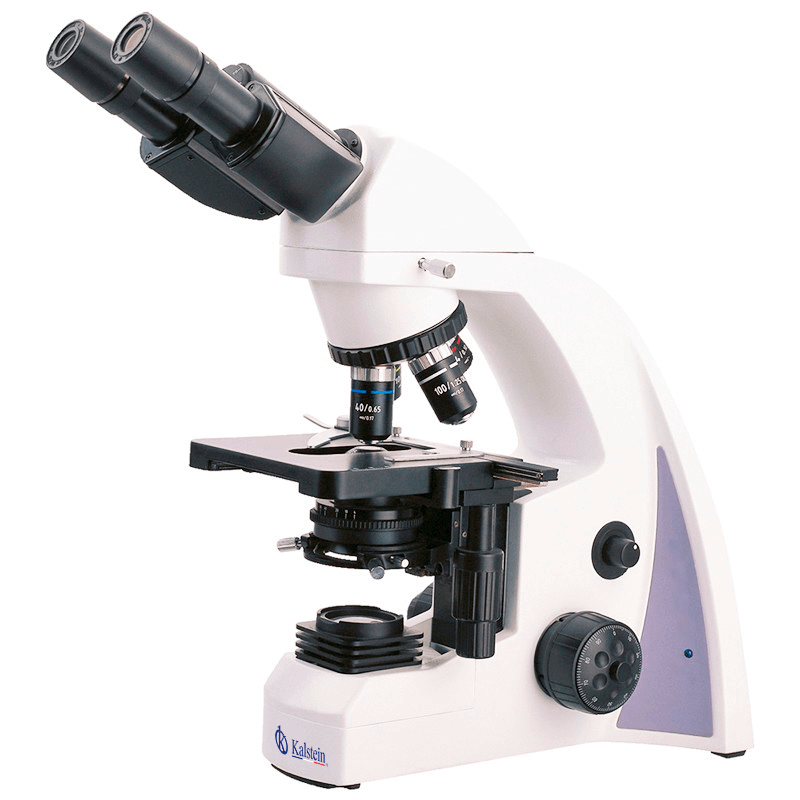
| YR0237-0-1 | General laboratory applications | Price: $437 | Ideal for routine microscopy tasks and educational purposes. |
| YR0237-1 | Advanced microscopy | Price: $491 | Perfect for detailed specimen analysis in research settings. |
| YR0237-1-1 | Specialized microscopy | Price: $448.10 | Best for applications requiring high magnification. |
| YR03731-1 | Small volume transfers | Price: $13.00 | Recommended for precise measurements in molecular biology. |
| YR03731-2 | Medium volume transfers | Price: $13.00 | Great for assays requiring accurate liquid handling. |
| YR03731-3 | Medium to large volume transfers | Price: $13.00 | Best suited for general laboratory use in various applications. |
Common mistakes and how to avoid them
Laboratory professionals often make common mistakes when using pipettes. Here are strategies to avoid them:
- Incorrect volume setting: Always double-check the volume setting before use.
- Pipetting too quickly: Use a steady pace to ensure accuracy when drawing and dispensing.
- Not pre-wetting the tip: Pre-wet tips for more accurate volume measurements.
- Using the wrong tip: Ensure compatibility between the pipette and tips to prevent leaks.
Maintenance, calibration and good practices 2026
To ensure longevity and accuracy of pipettes, regular maintenance and calibration are essential:
- Clean the pipette regularly to prevent contamination.
- Store pipettes in a vertical position to avoid damage to the tips.
- Calibrate every six months or as per the manufacturer's recommendations to maintain accuracy.
- Follow good laboratory practices such as using gloves when handling samples to avoid contamination.
Cost-benefit analysis 2026
When evaluating laboratory pipettes, consider the cost versus the benefits they provide:
- Initial investment in high-quality pipettes may be higher, but they offer increased precision and reliability, reducing the cost of errors.
- Automated pipetting systems may have higher upfront costs but can drastically decrease time and labor, leading to cost savings in high-throughput laboratories.
- Regular maintenance and calibration can prevent costly damages and enhance the lifespan of pipettes, making them a worthwhile investment.
Frequently asked questions
What types of liquids can I use with laboratory pipettes?
Laboratory pipettes can handle a variety of liquids, including aqueous solutions, organic solvents, and viscous fluids. However, it is important to select the appropriate pipette type for the specific liquid to ensure accuracy and avoid damage.
How do I choose the right pipette for my application?
Consider the volume range, the viscosity of the liquid, and the required accuracy when selecting a pipette. For low-volume transfers, use micropipettes, while for larger volumes, select macro pipettes.
What is the importance of pre-wetting the pipette tip?
Pre-wetting the pipette tip ensures that the liquid adheres to the tip's surface, resulting in more accurate volume measurements and reducing the variability caused by air bubbles.
How often should I calibrate my pipettes?
Pipettes should be calibrated at least every six months, or more frequently if they are used extensively or if they have been dropped or subjected to harsh conditions.
Can I use the same pipette for different liquids?
It is best to avoid using the same pipette for different liquids, especially if they are chemically incompatible. Always use a new tip to prevent cross-contamination.
What should I do if my pipette is not dispensing accurately?
If your pipette is not dispensing accurately, check for issues such as clogged tips, improper volume settings, or need for calibration. If problems persist, consider professional servicing.
If you are looking for a fusion of innovation and quality, you have come to the right place. At Kalstein, we offer you the luxury of exploring our exclusive catalog of laboratory equipment. We manufacture every device to the highest standards of excellence. Our intuitive and seamless online purchasing channels are designed for your convenience, securing the most competitive prices. Hesitate no longer — we bring science to life, it is time to become part of our community.