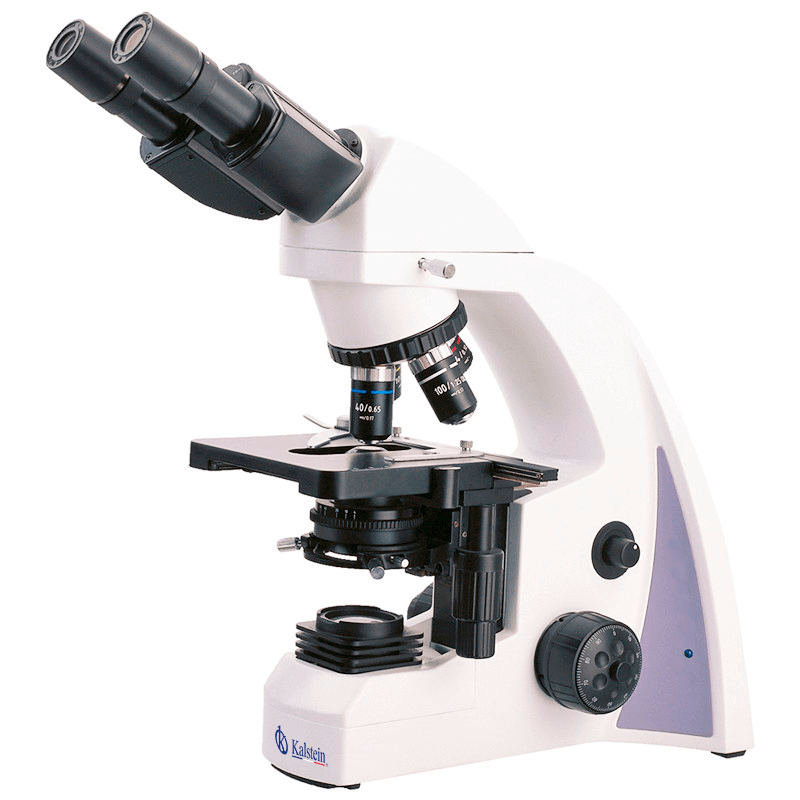
How Laboratory Microscopes Enhance Academic Research and University Projects
Laboratory microscopes are essential tools in academic research, providing students and researchers with the ability to observe specimens at a cellular level. They support a variety of university projects by allowing detailed analysis, enhancing educational outcomes, and fostering scientific discovery. In this article, we will explore how different models of laboratory microscopes can be utilized in academic settings, their specifications, and the advantages they bring to educational institutions.
Understanding Laboratory Microscopes in an Academic Context
Laboratory microscopes serve a fundamental role in educational and research settings. With capabilities ranging from basic observations to advanced imaging, they support various academic disciplines, including biology, chemistry, and materials science. The right laboratory microscope can significantly affect the quality of research and learning in university environments.
Several key factors determine the effectiveness of a microscope in academic settings: optical quality, ease of use, and versatility. Selecting a model that combines these attributes ensures that students can engage in practical experiments while obtaining accurate and reproducible results.
Key Models of Laboratory Microscopes for Academic Use
In the landscape of laboratory microscopes, several models stand out for their suitability in academic research and projects. Below, we will discuss three prominent models from our product lineup, highlighting their features and ideal use cases in university settings.
Comparison of Available Models
| Model Code | Optical System | Objective Magnification | Best for | Price (USD) |
|---|---|---|---|---|
| YR0237-0-1 | Binocular Seidentopf Head | 4x, 10x, 40x, 100x | General Laboratory Use | 437.00 |
| YR0237-1 | Binocular Seidentopf Head | 4x, 10x, 40x, 100x | Advanced Research Applications | 491.00 |
| YR0237-1-1 | Binocular Seidentopf Head | 4x, 10x, 40x, 100x | Educational Institutions | 448.10 |
Choosing the Right Laboratory Microscope for University Projects
When selecting a laboratory microscope for academic purposes, it is crucial to consider factors such as the intended application, user-friendliness, and budget. Models like the YR0237-0-1 and YR0237-1-1 are well-suited for educational institutions due to their robust construction and versatile magnification options, making them ideal for both teaching and research activities.
Common Mistakes and How to Avoid Them
One common mistake in selecting laboratory microscopes for academic use is underestimating the importance of optical quality. Low-quality optics can lead to poor image clarity, which negatively impacts learning outcomes. It is also essential to consider the ergonomics of the microscope, as improper design can lead to user fatigue, especially during prolonged usage.
Practical Applications of Microscopes in Research
Laboratory microscopes are employed in various research projects, including cell biology, microbiology, and histology. They allow for precise observation of cellular structures, helping students and researchers gain hands-on experience in microscopy techniques. Utilizing models like the YR0237-1, which features advanced optics, can significantly enhance the learning experience.
Enhancing Reproducibility in Academic Projects
Reproducibility is a cornerstone of scientific research. Laboratory microscopes must provide consistent results across multiple observations. The YR0237 series offers high-quality optics that ensure reproducible and reliable results, fostering academic integrity and encouraging students to replicate experiments confidently.
Learning Enhancements Through Laboratory Microscopes
Integrating laboratory microscopes into university curricula not only facilitates learning but also sparks interest in scientific inquiry. Students gain valuable skills in observation, analysis, and documentation, which are essential for their future careers in science and research. Models like the YR0237-0-1 offer easy-to-use features that make them suitable for beginners, fostering a smooth learning curve.
Future Trends in Laboratory Microscopy for Academic Research
The future of laboratory microscopy in academic research will likely see advancements in digital integration, automation, and enhanced imaging capabilities. These trends will empower educators and students alike, enabling more sophisticated analyses and fostering collaboration across disciplines. Educational institutions should stay ahead of these trends to remain competitive and provide the best tools for their students.
Frequently Asked Questions
How can laboratory microscopes improve academic research quality?
Laboratory microscopes like the YR0237-1 are designed for precise imaging, significantly enhancing the quality of academic research. Their advanced optics allow students to observe samples in detail, improving overall learning outcomes and facilitating rigorous scientific inquiry.
What specifications should I look for in a university microscope?
When choosing a university microscope, consider specifications such as optical quality, magnification range, and ease of use. Models like the YR0237-0-1 offer a good balance of these specifications, making them suitable for a variety of academic applications.
Which laboratory microscope model is best for student projects?
The YR0237-1-1 model is particularly well-suited for student projects due to its user-friendly features and robust optical system. It allows students to engage in hands-on microscopy while producing reliable and accurate results.
How do I ensure reproducibility in my microscopy experiments?
To ensure reproducibility in microscopy experiments, use a reliable model such as the YR0237-1, which provides consistent imaging quality. Maintaining standard operating procedures and calibrating the microscope regularly also help achieve reproducible results.
What are the advantages of using binocular microscopes in education?
Binocular microscopes, like the YR0237 series, provide a more comfortable viewing experience and reduce eye strain, making them ideal for educational settings. They enhance collaborative learning as multiple students can observe specimens simultaneously.
How can I budget for a laboratory microscope in an educational institution?
Budgeting for a laboratory microscope involves considering initial costs, maintenance, and consumables. Models such as the YR0237-0-1 offer competitive pricing at $437.00, making them accessible for educational institutions aiming to provide quality equipment.
Why is optical quality important in laboratory microscopes for research?
Optical quality is critical in laboratory microscopes because it directly affects the clarity and detail of the images produced. High-quality optics, as found in the YR0237-1, allow researchers to observe minute details, which are essential for accurate analyses and conclusions.
What role do laboratory microscopes play in scientific publications?
Laboratory microscopes are integral to scientific publications, providing the necessary visual evidence to support research findings. High-quality models like the YR0237-1 enhance the credibility of the research by ensuring that images presented in publications are clear and precise.
If you are looking for a fusion of innovation and quality, you have come to the right place. At Kalstein, we offer you the luxury of exploring our exclusive catalog of laboratory equipment. We manufacture every device to the highest standards of excellence. Our intuitive and seamless online purchasing channels are designed for your convenience, securing the most competitive prices. Hesitate no longer — we bring science to life, it is time to become part of our community.