Understanding ISO/IEC Standards and Regulatory Compliance in Veterinary Electrosurgical Units
Veterinary electrosurgical units play a critical role in modern surgical practices by providing precise and controlled cutting and coagulation capabilities. With the increasing emphasis on safety and efficacy in veterinary medicine, compliance with ISO/IEC standards has become paramount. This article explores various ISO/IEC standards relevant to veterinary electrosurgical units, detailing how each standard relates to functionality, safety, and operational excellence.
Importance of ISO/IEC Compliance in Veterinary Electrosurgical Units
Compliance with ISO/IEC standards ensures that veterinary electrosurgical units meet safety and performance criteria that are recognized internationally. These standards help in minimizing risks associated with electrosurgery, enhancing patient safety and clinician confidence. Furthermore, regulatory compliance facilitates smoother operations and can enhance the reputation of veterinary practices.
Key ISO/IEC Standards for Veterinary Electrosurgical Units
Several ISO/IEC standards are particularly pertinent to veterinary electrosurgical units. Below are key standards and their relevance:
ISO 13485: Quality Management Systems
This standard focuses on the quality management systems specific to medical devices, ensuring that veterinary electrosurgical units like the YR06130 and YR06131 are designed and manufactured under stringent quality controls to enhance safety and performance.
ISO 14971: Risk Management
ISO 14971 outlines the process for risk management in medical devices. Adhering to this standard helps practices implement risk assessment protocols when using units such as the YR06129, ensuring that all potential hazards are identified and mitigated.
IEC 60601: Medical Electrical Equipment
IEC 60601 sets the foundational standard for the safety and performance of medical electrical equipment. Compliance ensures that devices, including the YR06132 and YR06133, are electrically safe and perform as intended, reducing risks to patients and operators.
Comparison of Available Models
| Model | ISO/IEC Clauses Covered | Traceability Features | Best For |
|---|---|---|---|
| YR06129 | ISO 13485, IEC 60601 | Automatic detection and tracking | Small animal surgeries |
| YR06130 | ISO 13485, ISO 14971 | Real-time monitoring capabilities | General surgical procedures |
| YR06131 | IEC 60601 | Patient safety protocols | Laparoscopic surgeries |
| YR06132 | ISO 13485 | Calibration and maintenance tracking | Open surgeries |
| YR06133 | IEC 60601 | User access control | Mobile surgical units |
Common Mistakes and How to Avoid Them
In the context of veterinary electrosurgical units, several common mistakes can impact compliance and operational efficiency:
- Neglecting Regular Maintenance: Failing to perform regular checks can lead to equipment failure. Set a maintenance schedule based on recommendations for models like YR06132.
- Inadequate Training: Operators must be adequately trained in using the units. Implement comprehensive training programs to enhance expertise with devices like YR06130.
- Ignoring Documentation: Proper documentation is crucial for compliance. Ensure that all operations involving the YR06131 are well-documented to meet ISO standards.
Legal and Regulatory Framework in Veterinary Electrosurgical Units
Understanding the legal landscape governing veterinary surgical equipment is essential for compliance. In many countries, veterinary devices must adhere to regulations that align with the relevant ISO/IEC standards, ensuring safety and efficacy. Institutions should stay updated on these regulations to maintain compliance and avoid potential liabilities.
Integration of Quality Management Systems
Implementing a quality management system (QMS) as per ISO 13485 can streamline operations and enhance compliance. This system should encompass all aspects of the device lifecycle, from design through to post-market surveillance. Regular audits and reviews of processes related to models like YR06133 can help ensure compliance with both internal and external standards.
Audit Checklists for Compliance
Creating a checklist for audits can be beneficial in ensuring compliance with ISO/IEC standards. Below is a sample checklist to follow when auditing your veterinary electrosurgical units:
| Audit Item | Description | Status |
|---|---|---|
| Compliance with ISO 13485 | All quality management procedures are documented and followed | [ ] Pass [ ] Fail |
| Electrical Safety | IEC 60601 compliance tested | [ ] Pass [ ] Fail |
| Risk Management | Risk assessment performed and documented | [ ] Pass [ ] Fail |
Frequently Asked Questions
What ISO standards should veterinary electrosurgical units comply with for safety?
Veterinary electrosurgical units should comply with ISO 13485 and IEC 60601 for optimal safety and performance. For instance, models like YR06130 meet these standards, ensuring they are safe for use in veterinary surgeries.
How does ISO 14971 enhance the safety of electrosurgical units?
ISO 14971 enhances safety by mandating a thorough risk management process. Units such as the YR06131 undergo rigorous risk assessment, thereby minimizing potential hazards during surgeries.
Which model is best for laparoscopic procedures according to ISO standards?
The YR06131 is specifically designed for laparoscopic surgeries and complies with ISO 13485. Its performance ensures reliable sealing of vessels during procedures, adhering to safety standards.
How can veterinary practices ensure compliance with IEC 60601?
Veterinary practices can ensure compliance with IEC 60601 by conducting regular safety tests and ensuring that devices like YR06132 are regularly maintained and calibrated.
What are the key features of the YR06130 for regulatory compliance?
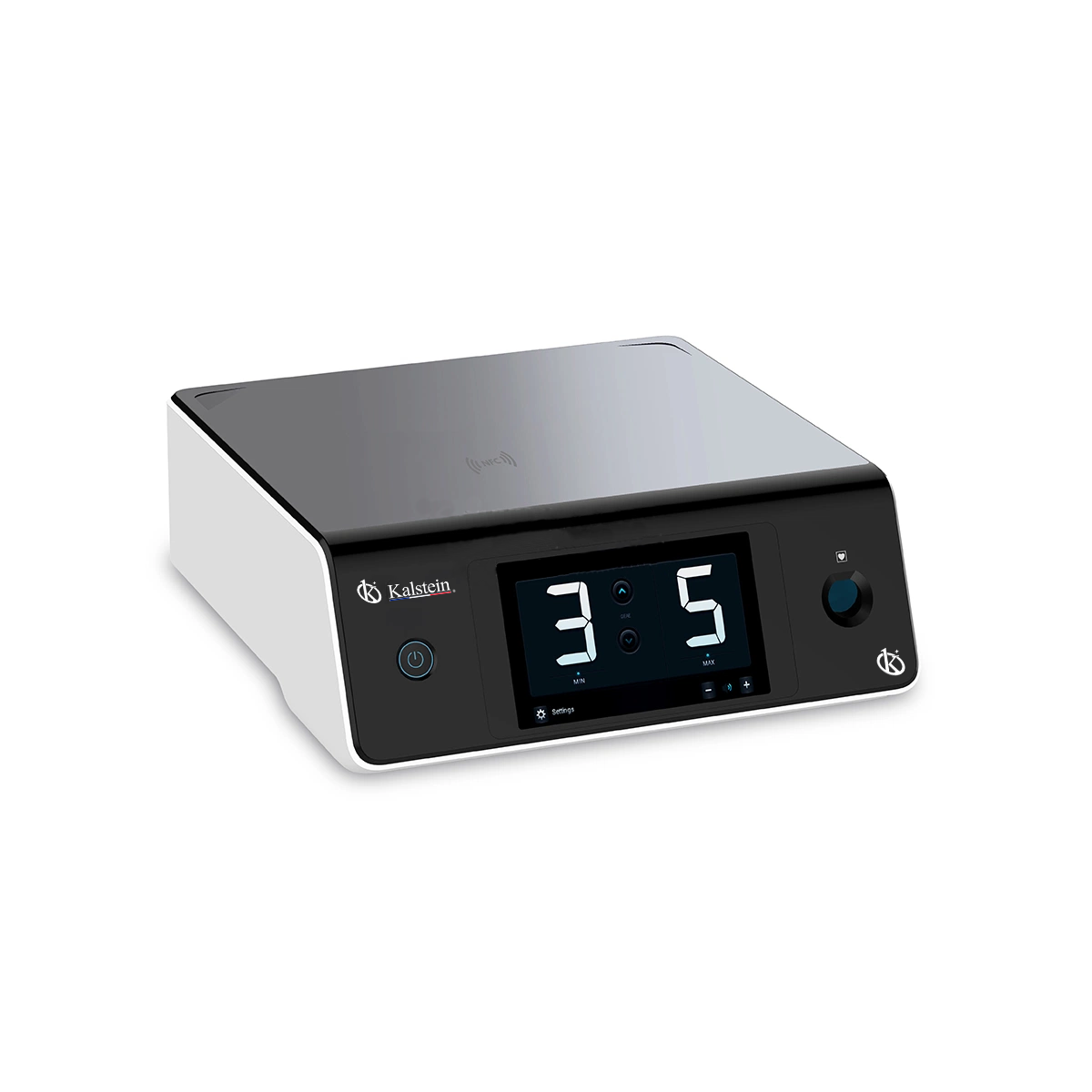
The YR06130 features a touchscreen control panel and multiple work modes, ensuring regulatory compliance under ISO 13485. These features enhance usability while maintaining safety standards.
What documentation is needed for ISO compliance in electrosurgical units?
Documentation for ISO compliance should include quality management processes, maintenance logs, and risk assessments, especially for devices like the YR06129 which require detailed records for audits.
How often should veterinary electrosurgical units be audited for compliance?
Veterinary electrosurgical units should be audited at least annually to ensure compliance with ISO standards. Regular checks on models like YR06133 can help maintain safety and efficacy.
What role does operator training play in compliance with ISO standards?
Operator training is critical for compliance with ISO standards as it ensures that staff can effectively use the equipment. For instance, proper training on the YR06130 enhances safety and operational efficiency.
If you are looking for a fusion of innovation and quality, you have come to the right place. At Kalstein, we offer you the luxury of exploring our exclusive catalog of laboratory equipment. We manufacture every device to the highest standards of excellence. Our intuitive and seamless online purchasing channels are designed for your convenience, securing the most competitive prices. Hesitate no longer — we bring science to life, it is time to become part of our community.