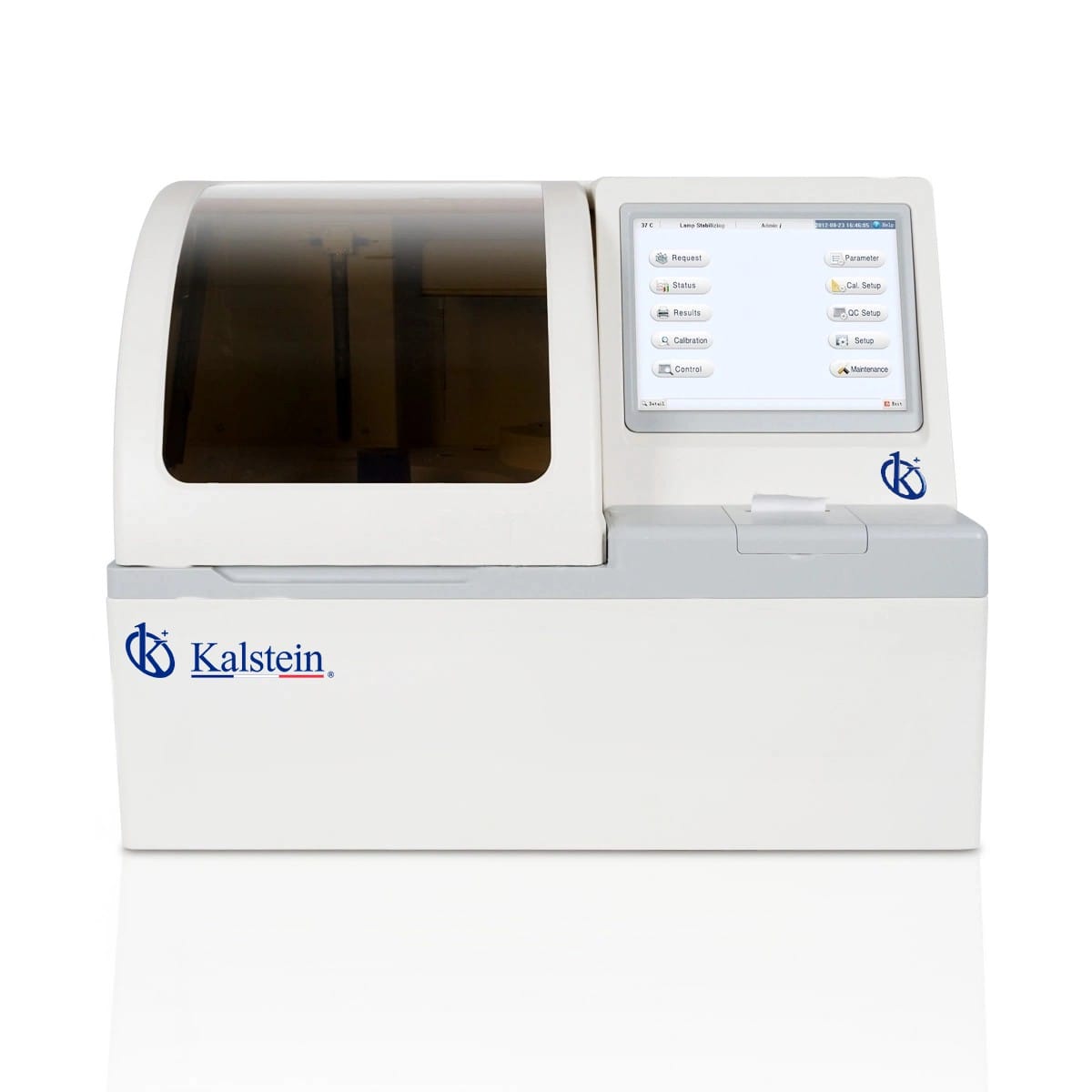
ISO/IEC Standards and Regulatory Compliance for Veterinary Chemistry Analyzers
In the ever-evolving field of veterinary diagnostics, compliance with ISO/IEC standards is paramount. These regulations ensure quality, reliability, and accuracy in laboratory results, which are critical for animal health. This article will explore the ISO/IEC standards pertinent to veterinary chemistry analyzers, highlighting their importance in achieving compliance and improving laboratory operations. We will compare multiple models in this category to help professionals select the right analyzer that meets these stringent requirements.
The Importance of ISO/IEC Standards in Veterinary Laboratories
ISO/IEC standards provide a framework for laboratories, ensuring that their processes and results are consistent and reliable. For veterinary chemistry analyzers, adherence to standards like ISO 17025 and ISO 15189 is essential. These standards outline the requirements for quality management systems and laboratory competency, promoting confidence in test results. Compliance leads to better diagnostic outcomes, enhances laboratory credibility, and can improve operational efficiency.
Key ISO/IEC Standards Relevant to Veterinary Chemistry Analyzers
Several key ISO/IEC standards are crucial for veterinary laboratories:
- ISO 17025: This standard specifies the requirements for the competence of testing and calibration laboratories, ensuring that they operate consistently and produce valid results.
- ISO 15189: This standard is specific to medical laboratories and emphasizes quality management and competence in laboratory medicine.
- IEC 61010: This standard covers the safety requirements for electrical equipment used in measurement, control, and laboratory use, ensuring the safety of operators and the environment.
- IVDR: The In Vitro Diagnostic Regulation emphasizes the importance of accuracy and reliability in diagnostic devices.
How Veterinary Chemistry Analyzers Meet ISO/IEC Compliance
Different models of veterinary chemistry analyzers are designed to comply with these ISO/IEC standards in various ways:
- Model YR06168: Equipped with an open reagent system and advanced software, this analyzer helps meet ISO 17025 requirements by providing traceability and accuracy in results.
- Model YR06169: This portable analyzer is designed for rapid testing with minimal sample volume, aligning with ISO standards for efficiency and reliability.
- Model YR06172: This immunofluorescence analyzer facilitates compliance through its precise measurement capabilities and user-friendly interface, essential for maintaining ISO standards.
Comparison of Available Models
| Model | ISO/IEC Clauses Covered | Traceability Features | Best For |
|---|---|---|---|
| YR06168 | ISO 17025 | Open system, comprehensive tracking | High-volume laboratories |
| YR06169 | ISO 17025 | Barcode scanning for samples | Field use and small clinics |
| YR06172 | ISO 15189 | Real-time data access | Research applications |
| YR06174 | IEC 61010 | Built-in safety features | Emergency veterinary settings |
| YR06077 | ISO 15189 | User-defined parameters | Customized testing environments |
Common Mistakes and How to Avoid Them
When it comes to regulatory compliance in veterinary chemistry analysis, several common pitfalls can occur. One major mistake is neglecting to maintain proper documentation, which can lead to non-compliance during audits. To avoid this, labs should implement a robust documentation system that tracks tests, results, and compliance checklists. Another error is failing to regularly calibrate and validate equipment like the YR06168 analyzer, risking the accuracy of results and jeopardizing compliance with ISO standards.
Best Practices for ISO/IEC Compliance in Veterinary Labs
To ensure compliance with ISO/IEC standards, veterinary labs should adopt several best practices:
- Regular training and upskilling of staff in ISO standards and laboratory procedures.
- Implementing a quality management system that monitors compliance with ISO 17025 and ISO 15189.
- Conducting regular internal audits and reviews to identify areas for improvement.
- Utilizing models like the YR06174 that feature integrated safety and quality checks.
Evaluating the Cost of Compliance
Compliance with ISO/IEC standards often incurs significant costs, from equipment purchase to ongoing operational expenses. However, these costs can be offset by the benefits of improved accuracy and trust in test results. For instance, investing in a model like the YR06077, which supports a wide range of tests and customization, can lead to long-term savings through efficient workflows and reduced reagent waste.
Frequently Asked Questions
How can veterinary chemistry analyzers comply with ISO 17025 standards?
Veterinary chemistry analyzers like the YR06168 can comply with ISO 17025 by providing accurate and traceable results through an open system for reagents, allowing for rigorous quality control measures that meet regulatory expectations.
What are the key features of ISO 15189 compliant veterinary analyzers?
ISO 15189 compliance in veterinary analyzers, such as the YR06172, includes features like accurate measurement, comprehensive reporting, and a user-friendly interface, ensuring high-quality diagnostic outcomes.
How do I ensure traceability in laboratory testing with analyzers?
Ensuring traceability can be achieved by using analyzers like the YR06169 that incorporate barcode systems for samples, allowing for detailed tracking and compliance with ISO standards.
What is the cost-effectiveness of adopting ISO-compliant analyzers?
The cost-effectiveness of ISO-compliant analyzers, such as the YR06077, is evident through reduced error rates and increased laboratory efficiency, leading to lower operational costs over time.
How often should calibration be performed on veterinary analyzers?
Calibration of veterinary analyzers, including models like the YR06174, should be performed regularly based on the manufacturer's recommendations, usually every few months, to ensure compliance with ISO standards.
What documentation is essential for ISO compliance in veterinary labs?
Essential documentation for ISO compliance includes quality control records, calibration logs, and detailed test result logs, which can be managed effectively with analyzers like the YR06168.
How do wireless data transmission features aid in compliance?
Wireless data transmission features found in models like the YR06172 enhance compliance by facilitating real-time data sharing and reporting, ensuring that all relevant information is readily available for audits and inspections.
Why is it important to choose the right model for laboratory compliance?
Selecting the right model, such as the YR06169 for portable applications or the YR06077 for extensive test variety, is crucial for meeting specific compliance needs and optimizing laboratory efficiency.
If you are looking for a fusion of innovation and quality, you have come to the right place. At Kalstein, we offer you the luxury of exploring our exclusive catalog of laboratory equipment. We manufacture every device to the highest standards of excellence. Our intuitive and seamless online purchasing channels are designed for your convenience, securing the most competitive prices. Hesitate no longer — we bring science to life, it is time to become part of our community.