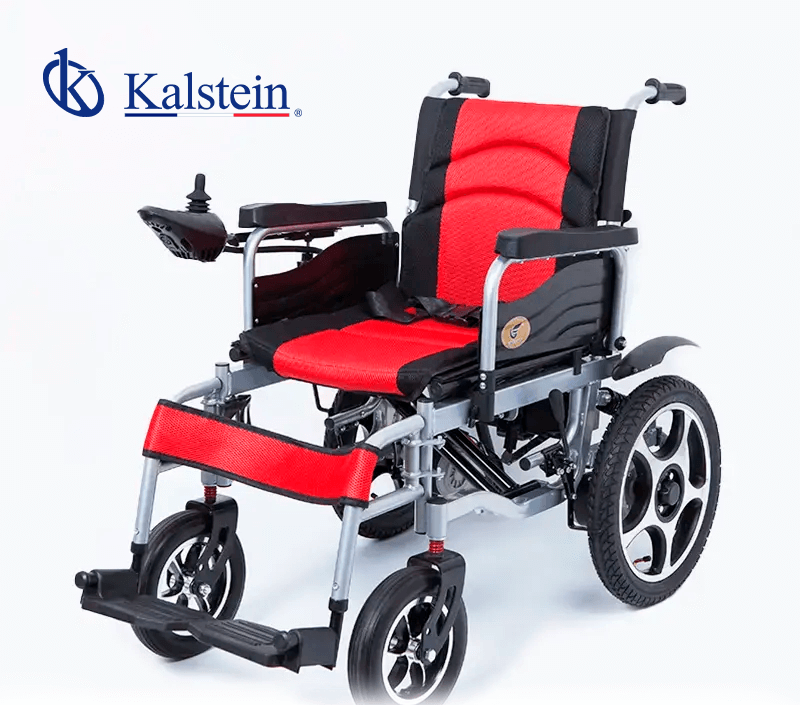
Navigating ISO/IEC Standards and Regulatory Compliance for Electric Wheelchairs
In the medical field, ensuring that equipment complies with ISO/IEC standards is crucial for both safety and efficacy. Electric wheelchairs, as essential mobility aids, must adhere to these regulations to guarantee they meet user needs while ensuring safety and reliability. This article explores the relationship between electric wheelchairs and ISO/IEC standards, focusing on compliance requirements, specific standards relevant to the devices, and how various models meet these standards.
Understanding ISO/IEC Standards in the Context of Electric Wheelchairs
ISO (International Organization for Standardization) and IEC (International Electrotechnical Commission) set forth guidelines and standards that govern the safety, performance, and quality of various devices, including electric wheelchairs. Compliance with these standards is not just a regulatory necessity; it also enhances product trustworthiness among users and healthcare providers.
For electric wheelchairs, standards such as ISO 7176 (for wheelchairs including electric wheelchairs), IEC 60601 (for basic safety and essential performance), and ISO 13485 (for quality management systems) serve as benchmarks. Adhering to these can significantly improve the usability and safety of electric wheelchairs.
Key ISO/IEC Standards for Electric Wheelchairs
Electric wheelchairs are subject to multiple ISO/IEC standards that dictate their safety and performance. Below are some critical standards relevant to this category:
- ISO 7176: This standard outlines the test methods for wheelchairs, ensuring they can safely support users under various conditions.
- IEC 60601: It establishes safety and performance requirements for medical electrical equipment, ensuring that electric wheelchairs are safe for end users.
- ISO 13485: This standard relates to quality management systems and is essential for organizations involved in the design and manufacture of medical devices, including electric wheelchairs.
Models and Their Compliance Features
Different electric wheelchair models feature design elements that help them meet ISO/IEC standards. The following models, manufactured by Kalstein, illustrate specific compliance features:
Electric Wheelchair YR05440
The YR05440 model includes a lightweight foldable design, making it easy to transport. It features a magnesium alloy frame, which complies with safety standards for structural integrity. This model is particularly beneficial for users needing portability without sacrificing strength.
Electric Wheelchair YR05441
The YR05441 model is designed with an adjustable backrest and footrest, allowing customization for user comfort. Its compliance with ISO standards ensures it can accommodate a wide range of users safely.
Electric Wheelchair YR05442
Best suited for challenging terrains, the YR05442 model complies with IEC standards for slope handling, ensuring safety when navigating elevated surfaces. It features a USB charging port, enhancing user convenience without compromising safety.
Electric Wheelchair YR05443
This model, equipped with an automatic folding mechanism, exemplifies compliance with user-friendly design principles outlined in ISO standards. It is ideal for users requiring ease of transport.
Compliance through Quality Management Systems
Ensuring compliance with ISO/IEC standards involves more than just meeting safety criteria. Implementing a quality management system (QMS) in the manufacturing of electric wheelchairs is essential for continuous improvement. Compliance with ISO 13485 ensures that manufacturers like Kalstein maintain high standards throughout the production process, from design to delivery.
By utilizing a QMS, manufacturers can systematically address compliance issues, thereby reducing risks and enhancing product reliability. This structured approach benefits end-users, ensuring that purchased electric wheelchairs meet regulatory expectations.
Comparison of Available Models
| Model Code | ISO/IEC Clauses Covered | Traceability Features | Best For |
|---|---|---|---|
| YR05440 | ISO 7176 | Serial numbers, User manuals | Portability |
| YR05441 | ISO 13485 | Quality logs, Safety testing | Comfort and adjustability |
| YR05442 | IEC 60601 | Performance metrics, Compliance checks | Off-road capability |
| YR05443 | ISO 7176 | Usage records, Maintenance logs | Ease of transport |
Common Mistakes and How to Avoid Them
In navigating the complexities of ISO/IEC compliance, several common mistakes can arise. Below are some pitfalls and strategies to avoid them:
- Neglecting Documentation: Failing to maintain proper documentation for compliance checks can lead to significant issues during audits. Ensure all records are kept up-to-date and readily available.
- Ignoring User Feedback: Not incorporating feedback from users can lead to non-compliance with usability standards. Engage users regularly to gather insights into the performance and safety of electric wheelchairs.
- Overlooking Calibration: Regular calibration is vital for ensuring compliance with IEC 60601. Schedule significant maintenance checks and document them for audits.
Frequently Asked Questions
How can I ensure my electric wheelchair meets ISO 7176 standards?
To ensure compliance with ISO 7176, consider models like YR05440 which include rigorous testing for safety and performance. Regular maintenance checks and keeping documentation can help maintain compliance.
What are the key features of IEC 60601 in electric wheelchairs?
IEC 60601 outlines safety and performance metrics that electric wheelchairs must meet. Models such as YR05442 incorporate design elements that prioritize user safety, such as non-slip surfaces and robust braking systems.
Which electric wheelchair is best for indoor versus outdoor use?
For indoor use, the YR05443 model is lightweight and easy to transport, while the YR05442 model is well-suited for outdoor terrains due to its robust design and slope handling capabilities, ensuring compliance with applicable standards.
How often should I check the compliance of my electric wheelchair?
Regular checks should align with the manufacturer's recommendations and applicable ISO/IEC standards. For instance, the YR05441 model suggests annual maintenance checks to ensure ongoing compliance with ISO 13485.
What role does a quality management system play in electric wheelchair manufacturing?
A QMS helps ensure that electric wheelchairs are produced consistently and according to ISO 13485 standards. This leads to improved product reliability and user satisfaction, particularly for models like YR05441.
Can I find electric wheelchairs that comply with multiple ISO standards?
Yes, many models such as YR05440 and YR05442 are designed to comply with multiple ISO standards, ensuring safety and reliability across different use cases. Always check the specifications for compliance details.
Are there electric wheelchairs that offer good traceability features?
Models like YR05440 provide robust traceability features, including serial numbers and user manuals. This is essential for compliance with ISO/IEC standards throughout the product's lifecycle.
How can I request a quote for compliant electric wheelchairs?
You can easily request a quote for our electric wheelchairs by contacting us directly. Our team is ready to assist you with product details and pricing information tailored to your needs.
If you are looking for a fusion of innovation and quality, you have come to the right place. At Kalstein, we offer you the luxury of exploring our exclusive catalog of laboratory equipment. We manufacture every device to the highest standards of excellence. Our intuitive and seamless online purchasing channels are designed for your convenience, securing the most competitive prices. Hesitate no longer — we bring science to life, it is time to become part of our community.