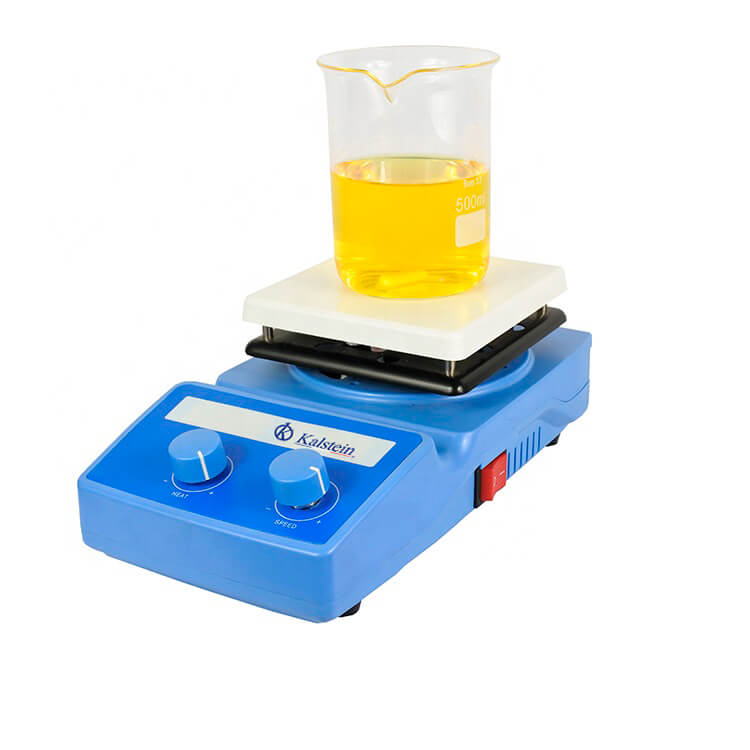
Ensuring Regulatory Compliance in Laboratories: A Guide to ISO/IEC Standards and Analog Ceramic Top Hotplate Stirrers
In the world of laboratory operations, maintaining compliance with ISO/IEC standards is crucial for quality assurance and operational excellence. This guide explores how Analog Ceramic Top Hotplate Stirrers align with these critical regulations to support lab professionals in achieving regulatory compliance. Understanding these standards is essential for ensuring reliable results, efficient workflows, and the safety of laboratory environments.
Understanding ISO/IEC Regulations and Their Importance
ISO (International Organization for Standardization) and IEC (International Electrotechnical Commission) create standards that ensure the quality, safety, and efficiency of products and services. These regulations are vital in laboratory settings where precision, reliability, and safety are paramount. Compliance with ISO 17025, which outlines requirements for testing and calibration laboratories, is particularly critical.
ISO 17025 Compliance and Hotplate Stirrer Usage
ISO 17025 mandates that labs demonstrate competence in testing and calibration, including equipment calibration, quality control, and adequate documentation. Analog Ceramic Top Hotplate Stirrers, such as models YR02933 and YR02936, provide precise temperature control and reproducibility, essential for meeting ISO requirements. This compliance ensures that results are reliable and consistent, enhancing the lab's credibility.
IEC 61010 and Safety Standards
IEC 61010 outlines safety requirements for electrical equipment in laboratories. This includes standards related to the safe use of hotplate stirrers. For instance, the Analog Ceramic Top Hotplate Stirrer YR02935 integrates safety features that reduce risks associated with overheating and electrical hazards. Understanding and adhering to these safety standards is crucial for lab professionals to ensure a safe working environment.
Documentation Requirements for Compliance
Maintaining thorough documentation is a key aspect of compliance with ISO/IEC standards. This includes records of equipment calibration, maintenance, and operational procedures. Using Analog Ceramic Top Hotplate Stirrers can simplify this process, as many models come with built-in features that monitor performance metrics. For example, the YR02934 model provides automatic PID temperature control, which can be documented for compliance purposes.
Traceability in Laboratory Settings
Traceability is a fundamental requirement under ISO 17025, ensuring that measurements can be linked to national or international standards. The precise temperature control capabilities of Analog Ceramic Top Hotplate Stirrers aid in maintaining this traceability. This is critical for experiments where temperature plays a vital role in the outcomes, especially in chemistry and biology applications. The ability to track and document the use of these stirrers improves overall compliance.
Comparative Analysis of Available Models
When selecting Analog Ceramic Top Hotplate Stirrers, it is essential to compare their specifications against compliance needs. Below is a comparison of the models covered in this article:
| Model | ISO/IEC Clauses Covered | Traceability Features | Best For |
|---|---|---|---|
| YR02933 | ISO 17025 | Built-in temperature monitoring | Basic laboratory applications |
| YR02934 | ISO 17025, IEC 61010 | PID control documentation | Chemical analyses |
| YR02935 | ISO 17025 | Monitoring and calibration | Biology applications |
| YR02936 | IEC 61010 | Safety documentation | Comprehensive laboratory settings |
Common Mistakes and How to Avoid Them
In laboratory settings, errors related to compliance can be detrimental. Common mistakes include inadequate documentation, neglecting equipment calibration, and failing to follow safety protocols. To avoid these issues, ensure regular training for laboratory staff on compliance standards and equipment use, particularly for Analog Ceramic Top Hotplate Stirrers. Frequent audits and clear SOPs for equipment operation can also mitigate risks.
Frequently Asked Questions
How do Analog Ceramic Top Hotplate Stirrers help comply with ISO 17025 standards?
Analog Ceramic Top Hotplate Stirrers, such as YR02935, are designed to provide precise temperature control, which is essential for meeting ISO 17025 standards. Their capability to monitor and document temperature allows laboratories to ensure that their results are reliable and traceable.
What safety standards apply to hotplate stirrers under IEC 61010?
IEC 61010 outlines safety requirements for laboratory equipment, including Analog Ceramic Top Hotplate Stirrers like YR02934. These standards ensure that the equipment operates safely and reduces risks associated with overheating and electrical hazards in the lab.
How to maintain compliance documentation for hotplate stirrers?
Maintaining compliance documentation involves keeping records of calibration, maintenance, and operational procedures. Using models like YR02936, which features built-in monitoring capabilities, can simplify the process of gathering necessary compliance documentation.
What are the key features to consider for ISO compliance?
Key features to consider include precise temperature control, safety features, and the ability to monitor and document performance metrics. Models like YR02934 offer PID temperature control, which is critical for compliance with ISO standards.
Why is traceability important in laboratory measurements?
Traceability ensures that measurement results can be linked to national or international standards, which is a requirement under ISO 17025. Using Analog Ceramic Top Hotplate Stirrers like YR02933 that allow for easy documentation can enhance traceability in laboratory measurements.
How can regular audits improve compliance with ISO/IEC standards?
Regular audits help identify potential compliance gaps, ensure that documentation is up to date, and confirm that equipment like Analog Ceramic Top Hotplate Stirrers is functioning according to established standards. This proactive approach minimizes risks and enhances laboratory credibility.
What role does staff training play in compliance with ISO/IEC standards?
Staff training is crucial for ensuring that all laboratory personnel are aware of compliance requirements and operational protocols. Training on the proper use of Analog Ceramic Top Hotplate Stirrers, like YR02936, can help avoid errors that lead to compliance issues.
How can I assess the cost-effectiveness of using hotplate stirrers in compliance?
The cost-effectiveness can be assessed by evaluating the initial investment, maintenance costs, and the potential for reducing errors or rework in experiments. Models like YR02935 can provide a good ROI when used in compliance-heavy labs.
If you are looking for a fusion of innovation and quality, you have come to the right place. At Kalstein, we offer you the luxury of exploring our exclusive catalog of laboratory equipment. We manufacture every device to the highest standards of excellence. Our intuitive and seamless online purchasing channels are designed for your convenience, securing the most competitive prices. Hesitate no longer — we bring science to life, it is time to become part of our community.