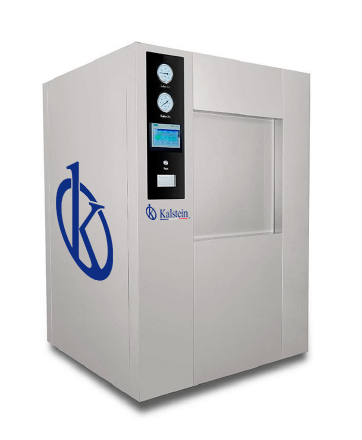
How to Ensure ISO/IEC Compliance with Vertical Autoclaves in Laboratories?
In the world of laboratory operations, compliance with ISO/IEC standards is crucial for ensuring quality and safety in processes. Vertical autoclaves play a significant role in sterilization, and understanding how to align their use with specific ISO/IEC regulations can enhance operational efficiency. This article focuses on various models of vertical autoclaves, their specifications, and compliance with standards such as ISO 17025 and ISO 15189.
Understanding ISO/IEC Standards in Laboratory Settings
ISO/IEC standards are internationally recognized frameworks that outline the requirements for quality management systems and technical competence in laboratories. ISO 17025, for example, specifies the general requirements for the competence of testing and calibration laboratories, while ISO 15189 focuses on medical laboratories, enhancing the quality of patient care. Adhering to these standards helps laboratories ensure reliability and accuracy in their results.
Components of Vertical Autoclaves and Their Compliance
Vertical autoclaves are designed with specific components that aid in achieving compliance with ISO/IEC standards. Key components include the sterilization chamber, control system, safety mechanisms, and monitoring systems. By ensuring that these components meet the criteria outlined in ISO/IEC standards, laboratories can guarantee consistent sterilization performances.
Key Features of Vertical Autoclaves
The main features of vertical autoclaves include:
- High-pressure steam generation
- Automatic control systems for temperature and pressure
- Digital monitoring for real-time data
- Compliance with safety standards
Comparison of Available Models
| Model | ISO/IEC Clauses Covered | Traceability Features | Best For |
|---|---|---|---|
| YR05653 | ISO 17025 | Digital Monitoring | Pharmaceuticals |
| YR05653-1 | ISO 15189 | PID Control | Research Laboratories |
| YR05655 | ISO 17025 | Real-time Data Tracking | Clinical Labs |
| YR05656 | ISO 15189 | Safety Mechanisms | CSSD |
| YR05657 | ISO 17025 | Digital Display | Research Institutions |
| YR05658 | ISO 15189 | PID Control | Food Industry |
Common Mistakes and How to Avoid Them
One common mistake laboratories make is neglecting proper documentation practices. It is essential to maintain thorough records of calibration, maintenance, and operational procedures to align with ISO/IEC standards. Another error is not training personnel adequately on compliance requirements, leading to potential missteps in sterilization processes.
Detailed Analysis of Vertical Autoclave Models
YR05653
The YR05653 model is designed for high-efficiency sterilization in various laboratory settings. Its compliance with ISO 17025 makes it ideal for pharmaceuticals and clinical labs. The digital monitoring system provides traceability that is crucial for regulatory compliance.
YR05655
The YR05655 model is a pressure steam autoclave with drying capabilities, suitable for laboratories that require strict adherence to ISO 17025. Its robust design ensures reliability and safety, making it perfect for clinical settings.
Documenting Compliance and Regular Audits
Maintaining compliance with ISO/IEC standards requires ongoing documentation and regular audits. Laboratories must implement a robust tracking system for calibration, maintenance history, and operational data for each vertical autoclave. Regular internal audits should be conducted to identify gaps and areas for improvement.
Frequently Asked Questions
How can vertical autoclaves help meet ISO 17025 standards?
Vertical autoclaves like YR05655 are equipped with features that ensure compliance with ISO 17025, such as digital monitoring for accurate data tracking and advanced safety mechanisms for reliability.
What are the key documentation requirements for ISO compliance in autoclaves?
Documentation should include maintenance records, calibration logs, and operational procedures. Models like YR05653 offer comprehensive monitoring systems that aid in maintaining these records effectively.
Which vertical autoclave model is best for laboratory use in 2026?
The YR05653-1 model stands out for its features aligned with ISO 15189, making it ideal for laboratories focused on clinical diagnostics and research, ensuring compliance and efficiency.
How often should vertical autoclaves be calibrated to meet ISO standards?
Calibration should occur regularly, typically every six months, as per ISO/IEC guidelines. For instance, the YR05656 model has advanced PID control that aids in accurate calibration and compliance.
What are the safety features of the YR05657 vertical autoclave?
The YR05657 model includes safety mechanisms such as automatic pressure release and temperature control, ensuring compliance with ISO standards for safety and reliability in laboratory settings.
How does the YR05658 model support ISO compliance in food laboratories?
The YR05658 model provides precise temperature control and robust monitoring features, ensuring that food laboratories meet ISO 15189 standards for sterilization and safety.
What steps can laboratories take to improve compliance with ISO/IEC standards?
Regular training sessions, thorough documentation of processes, and using compliant models like YR05655 can greatly enhance compliance efforts in laboratories.
How do I choose the right vertical autoclave model for my laboratory?
Consider factors such as compliance requirements, laboratory size, and specific applications. The YR05653 model is excellent for general lab use, while the YR05655 is more suited for clinical settings.
If you are looking for a fusion of innovation and quality, you have come to the right place. At Kalstein, we offer you the luxury of exploring our exclusive catalog of laboratory equipment. We manufacture every device to the highest standards of excellence. Our intuitive and seamless online purchasing channels are designed for your convenience, securing the most competitive prices. Hesitate no longer — we bring science to life, it is time to become part of our community.