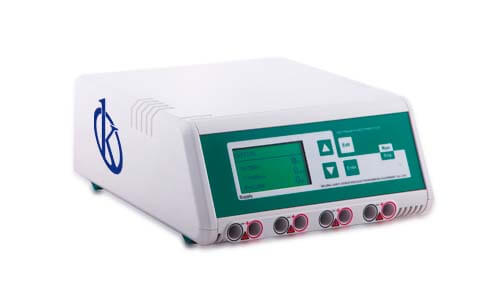
ISO/IEC Compliance in Laboratories: Selecting the Right Universal Power Supply
In laboratories, compliance with ISO/IEC norms is essential for ensuring the reliability and accuracy of research results. This article discusses how to choose a universal power supply that meets these regulations and enhances laboratory operations.
Understanding ISO/IEC Standards and Their Importance
ISO/IEC standards provide a framework for ensuring quality, safety, and efficiency within laboratory environments. Specifically, ISO 17025 and IEC 61010 are critical in assessing laboratory competence and ensuring that equipment functions as intended.
ISO 17025 outlines requirements for testing and calibration laboratories, emphasizing the need for reliable equipment. IEC 61010 addresses the safety requirements of electrical equipment, ensuring that universal power supplies operate without risk to users or samples.
Key ISO/IEC Clauses Relevant to Universal Power Supplies
Several clauses within ISO/IEC standards are pertinent to the selection of universal power supplies:
- Clause 5.5 of ISO 17025: Equipment selection must ensure that it is suitable for its intended purpose.
- Clause 6.4: Equipment must be calibrated and maintained to ensure accurate results.
- IEC 61010-1: Addresses safety requirements related to electrical equipment for measurement, control, and laboratory use.
How Universal Power Supplies Support Compliance
Using the right universal power supply can aid in meeting ISO/IEC standards. For instance, models like YR03400-2 and YR03398-2 offer features such as automatic error detection and voltage regulation, vital for maintaining equipment integrity and accuracy during experiments.
By selecting a universal power supply that incorporates these functionalities, laboratories can ensure adherence to ISO standards for equipment and operational integrity.
Comparison of Available Models
| Model Code | ISO/IEC Clauses Covered | Traceability Features | Best For |
|---|---|---|---|
| YR03400-2 | ISO 17025, IEC 61010 | Automatic error detection | High current operations |
| YR03396-2 | ISO 17025 | Memory for 100 methods | Standard laboratory tests |
| YR03395-2 | IEC 61010 | Real-time tuning features | High throughput testing |
| YR03397-2 | ISO 17025, IEC 61010 | Multiple output connectors | Versatile laboratory settings |
| YR03398-2 | ISO 17025 | Memory for 100 methods | Research and development labs |
| YR03399-2 | ISO 17025 | Pause control functions | Complex experimental setups |
Common Mistakes and How to Avoid Them
When selecting a universal power supply, laboratories often make key mistakes that can affect compliance with ISO/IEC standards:
- Ignoring specifications: Always check that the power supply meets specific voltage and current requirements relevant to your applications.
- Neglecting calibration: Regular calibration is necessary to maintain compliance with ISO 17025. Choose models that facilitate easy calibration.
- Focusing solely on cost: While it may be tempting to choose cheaper models, ensure that they meet necessary standards for safety and performance.
Frequently Asked Questions
How can a universal power supply ensure compliance with ISO 17025?
A universal power supply like the YR03400-2 ensures compliance with ISO 17025 by providing precise voltage and current control, allowing for accurate testing and calibration in accordance with equipment standards.
What features should I look for in a universal power supply for IEC 61010 compliance?
Look for features such as overcurrent protection, automatic fault detection, and user-friendly interfaces. Models like YR03396-2 offer these features to ensure laboratory safety and compliance with IEC 61010.
Which universal power supply is best for high current applications under ISO/IEC regulations?
The YR03395-2 is ideal for high current applications. It supports up to 2000 mA and includes automated error detection, making it suitable for compliance with ISO/IEC regulations in demanding lab environments.
What are the operational benefits of using a universal power supply in a laboratory setting?
Operational benefits include improved safety, enhanced accuracy in tests, and increased efficiency. The YR03397-2, for example, can store multiple methods, making it easy to switch between experiments while maintaining compliance.
How often should universal power supplies be calibrated to meet ISO standards?
Calibration should be performed regularly, typically every 6-12 months, depending on usage. Models like YR03398-2 provide features that simplify the calibration process, ensuring compliance with ISO 17025.
What are the risks of using non-compliant power supplies in labs?
Using non-compliant power supplies can lead to inaccurate results, safety hazards, and potential legal issues. Compliance with standards like IEC 61010 helps mitigate these risks, ensuring models such as YR03396-2 are fit for laboratory use.
Can I integrate universal power supplies with laboratory information management systems (LIMS)?
Yes, many universal power supplies can integrate with LIMS for seamless data management. Models like the YR03399-2 are designed for easy integration, enhancing operational efficiency and compliance.
What features improve traceability in laboratory power supplies?
Features such as automatic data logging and memory for test methods improve traceability. The YR03400-2, for instance, has built-in memory capabilities that help maintain comprehensive records during testing.
If you are looking for a fusion of innovation and quality, you have come to the right place. At Kalstein, we offer you the luxury of exploring our exclusive catalog of laboratory equipment. We manufacture every device to the highest standards of excellence. Our intuitive and seamless online purchasing channels are designed for your convenience, securing the most competitive prices. Hesitate no longer — we bring science to life, it is time to become part of our community.