How to Ensure ISO/IEC Compliance with Portable pH Meters in Laboratories
In modern laboratory settings, the significance of compliance with ISO/IEC standards cannot be overstated. Portable pH meters are essential tools for measuring acidity or alkalinity in various samples, and ensuring these instruments align with regulatory guidelines is crucial for labs aiming for operational excellence. This article delves into the specific ISO/IEC standards relevant to portable pH meters, audits, documentation requirements, and how specific models can help laboratories achieve compliance.
Understanding ISO/IEC Standards for Portable pH Meters
The ISO/IEC standards, particularly ISO 17025 and IEC 61010, establish the requirements for competence and consistency in laboratory operations. ISO 17025 focuses on testing and calibration laboratories, ensuring they are capable of producing valid and reliable results. IEC 61010 pertains to safety requirements for electrical equipment used in measurement, control, and laboratory environments. Understanding these standards is fundamental for laboratories utilizing portable pH meters.
Specific Standards and Their Implications
ISO 17025 encompasses various clauses, including management requirements, technical requirements, and the need for traceability of measurements. Laboratories utilizing portable pH meters must ensure that their devices are calibrated against certified standards. IEC 61010 ensures that equipment is designed to minimize risks, mandating compliance checks that portable pH meters must pass to ensure user safety and measurement accuracy.
Model Analysis: Meeting ISO/IEC Standards
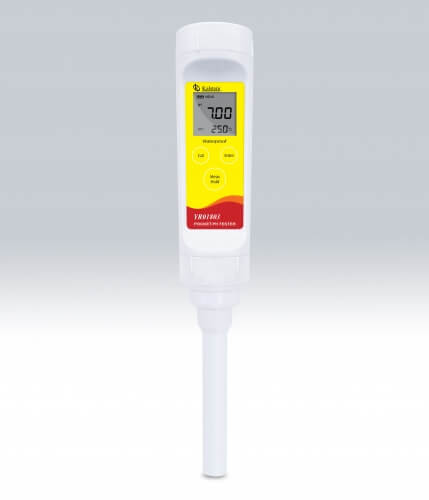
To effectively address compliance, laboratories can select from various portable pH meters that align with ISO/IEC standards. For instance, the Pocket pH Meter YR01803 offers automatic temperature compensation and multiple calibration points, which are vital aspects when adhering to ISO 17025 requirements for measurement accuracy. The design also ensures safety compliance as per IEC 61010.
Comparison of Available Models
| Model | ISO/IEC Clauses Covered | Traceability Features | Best For |
|---|---|---|---|
| YR01803 | ISO 17025, IEC 61010 | 1-3 Point Calibration | General Laboratory Use |
| YR01804 | ISO 17025 | Automatic Buffer Recognition | Field Measurements |
| YR01800 | IEC 61010 | Smart Calibration Features | Portable Applications |
| YR01802 | ISO 17025 | Multi-point Calibration | Food Industry Testing |
Documentation Requirements for Compliance
Documentation is critical in demonstrating compliance with ISO/IEC standards. Laboratories must maintain records of calibration, service logs, and user training. This documentation supports traceability and accountability in measurement processes, ensuring confidence in the results produced. For pH meters, manufacturers often provide calibration certificates that are essential for meeting the ISO 17025 compliance.
Common Mistakes and How to Avoid Them
One common mistake laboratories make is neglecting regular calibration of their portable pH meters. It is essential to perform calibrations as per the recommendations in ISO 17025, typically before use or at regular intervals. Another mistake is inadequate training of personnel on the operational protocols of pH meters, which can lead to inaccurate measurements. Comprehensive training programs can mitigate these risks.
Calibration and Maintenance Protocols
Establishing a systematic calibration and maintenance schedule is vital for compliance. Laboratories should create a calibration log that details the date, person responsible, and results of each calibration. For example, the Pocket pH Meter YR01803 requires calibration at least every six months to ensure accuracy, as per ISO 17025 guidelines. Routine checks should also be documented to maintain compliance.
Best Practices for Achieving Compliance
Implementing best practices involves training staff on the significance of compliance, maintaining an updated inventory of calibration standards, and regularly reviewing laboratory procedures. Using portable pH meters like the YR01804 can facilitate compliance due to their built-in calibration recognition features, making it easier to adhere to standards.
Frequently Asked Questions
How do I ensure my portable pH meter complies with ISO 17025 standards?
To ensure compliance with ISO 17025, regularly calibrate your portable pH meter, such as the YR01803, and maintain thorough records of all calibration activities. This includes using certified buffer solutions verified against recognized standards.
What are the key features to look for in an IEC 61010 compliant portable pH meter?
When selecting an IEC 61010 compliant portable pH meter, look for features such as automatic temperature compensation and robust safety certifications. The YR01800 model exemplifies these requirements with its IP57 rating for water and dust resistance.
Which portable pH meter is best for food industry testing in compliance with ISO standards?
The Pocket pH Meter YR01802 is particularly effective for food industry testing, as it meets ISO 17025 calibration requirements and provides high accuracy with its multi-point calibration feature, making it suitable for precise measurements.
How often should I perform calibration on my portable pH meters?
Calibration for portable pH meters should be performed at least every six months, as recommended by ISO 17025. Models like the YR01803 require calibration before each use or after significant temperature changes for optimal accuracy.
What documentation is necessary for ISO/IEC compliance in laboratory settings?
Necessary documentation includes calibration records, training logs, and maintenance schedules. Ensure that all records are readily accessible for audits and demonstrate compliance with ISO standards.
How can I train my staff on using portable pH meters effectively?
Implement structured training programs focusing on operational protocols, calibration procedures, and safety standards. Frequent workshops can enhance proficiency in using models like the YR01804, ensuring reliable measurements.
What is the importance of traceability in using portable pH meters?
Traceability is crucial as it allows laboratories to validate the accuracy of their measurements against recognized standards. Portable pH meters like the YR01803 have built-in calibration capabilities that support this requirement.
How do I choose the right portable pH meter for my laboratory's needs?
To choose the right portable pH meter, consider your specific application requirements, compliance needs, and features such as automatic calibration and temperature compensation. The YR01804 is versatile for both field and lab use, making it a great option.
If you are looking for a fusion of innovation and quality, you have come to the right place. At Kalstein, we offer you the luxury of exploring our exclusive catalog of laboratory equipment. We manufacture every device to the highest standards of excellence. Our intuitive and seamless online purchasing channels are designed for your convenience, securing the most competitive prices. Hesitate no longer — we bring science to life, it is time to become part of our community.