How to Ensure ISO/IEC Compliance with Portable Ion Meters in Laboratories?
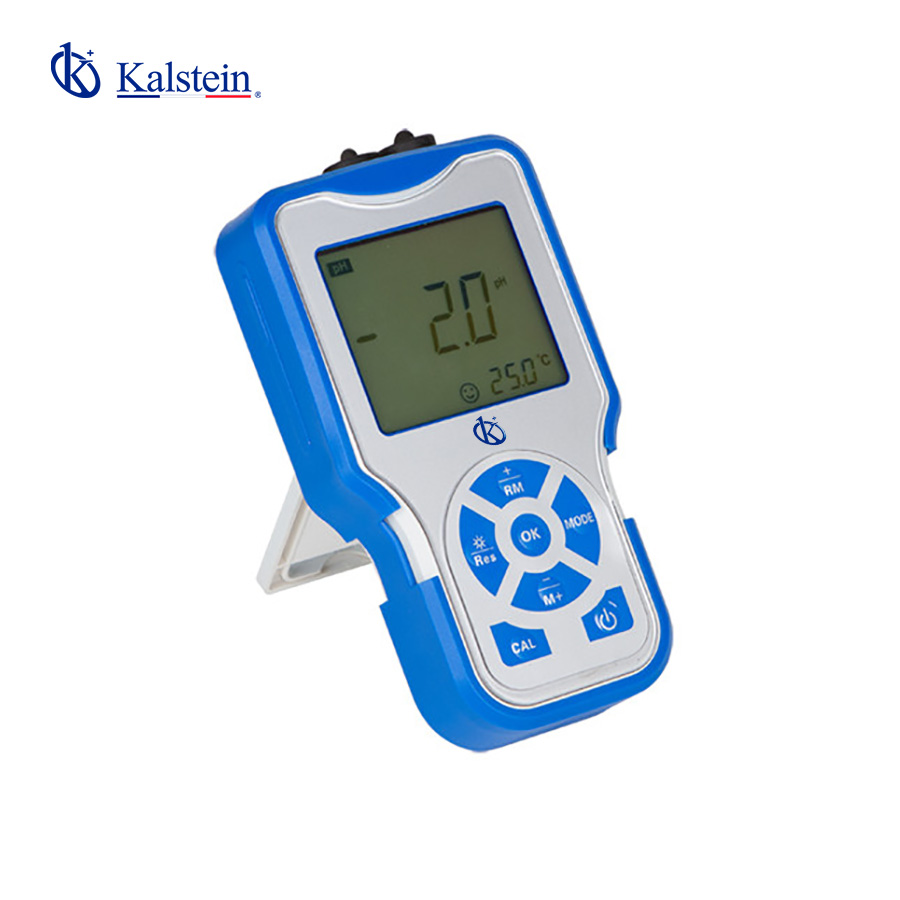
In laboratory environments, compliance with ISO/IEC standards is critical to maintaining quality assurance and operational excellence. Portable ion meters play a vital role in this compliance, particularly when testing various ion concentrations in different samples. This article will delve into how portable ion meters, such as the YR01816 and YR01817 series, align with key ISO/IEC regulations, helping laboratories uphold their reputations and operational integrity.
Understanding ISO/IEC Standards Relevant to Portable Ion Meters
ISO/IEC 17025 is perhaps the most recognized standard concerning laboratory operations, specifying the requirements for testing and calibration laboratories. This standard emphasizes the need for accuracy, consistency, and reliability in test results, which portable ion meters can significantly contribute to. Another essential standard is ISO 15189, which focuses on quality management systems in medical laboratories. Portable ion meters must meet specific performance criteria to comply with these standards.
Additionally, IEC 61010 outlines safety requirements for electrical equipment used in measurement, control, and laboratory environments, ensuring that the equipment is safe to operate while generating reliable results. Understanding these standards is key for laboratories aiming to achieve and maintain compliance.
Key Features of Portable Ion Meters for ISO/IEC Compliance
Portable ion meters, such as the YR01816, are designed with features that enhance compliance with ISO/IEC standards. These include:
- Multi-point Calibration: The ability to calibrate from 2 to 5 points ensures accuracy across various ion concentration levels, which is essential for compliance with ISO/IEC 17025.
- Automatic Temperature Compensation: Helps in providing accurate readings, crucial for the reliability stipulated in ISO 15189.
- Traceability: Many models provide features that ensure traceability of measurements, which is a requirement in compliance audits.
- Robust Design: Compliance with IEC 61010 for safety ensures that the ion meters are suitable for laboratory use, minimizing risk.
Comparison of Available Models
| Model | ISO/IEC Clauses Covered | Traceability Features | Best For |
|---|---|---|---|
| YR01816 | ISO/IEC 17025 | Multi-point Calibration | General laboratory use |
| YR01817-1 | ISO 15189 | Automatic Temperature Compensation | Outdoor applications |
| YR01817-10 | IEC 61010 | Safety Standards Compliance | Field testing |
| YR01817-11 | ISO/IEC 17025 | Calibration Diagnostics | Research laboratories |
| YR01817-12 | ISO 15189 | Concentration Traceability | Environmental testing |
| YR01817-13 | IEC 61010 | Built-in Safety Features | Quality control |
Common Mistakes and How to Avoid Them
When utilizing portable ion meters, laboratories often fall into common traps that can jeopardize compliance.
- Neglecting Calibration: Regular calibration according to ISO 17025 is crucial. Failure to calibrate can lead to inaccurate results, risking compliance.
- Overlooking Documentation: Proper documentation of tests and calibrations is essential. Maintain a thorough record to facilitate audits.
- Avoiding Training: Staff should be trained on the equipment and standards. Understanding functionalities helps in better compliance.
Best Practices for Portable Ion Meter Use
To ensure compliance with ISO/IEC standards, labs should adopt the following best practices when using portable ion meters:
- Regular Maintenance: Schedule routine maintenance checks to ensure the instruments function correctly.
- Follow Standard Operating Procedures: Develop and adhere to SOPs that align with ISO/IEC requirements.
- Utilize Quality Reagents: Ensure that reagents used in testing meet quality standards to maintain accuracy.
Exploring the Costs of Compliant Ion Meters
Investing in portable ion meters can be seen as a cost-effective strategy when considering the potential savings from compliance. Below is a cost summary:
| Model | Initial Investment (USD) | Maintenance Cost (USD/Year) | Average Lifespan (Years) |
|---|---|---|---|
| YR01816 | 94.00 | 20.00 | 5 |
| YR01817-1 | 229.00 | 30.00 | 7 |
| YR01817-10 | 500.00 | 40.00 | 10 |
Frequently Asked Questions
How do portable ion meters comply with ISO 17025 standards?
Portable ion meters like the YR01816 are designed with multi-point calibration capabilities that meet ISO 17025 standards. This ensures accurate readings critical for laboratory compliance.
What features of portable ion meters aid in achieving IEC 61010 compliance?
Models such as the YR01817-10 include built-in safety features ensuring compliance with IEC 61010. These features minimize operational risks while providing reliable data.
How often should portable ion meters be calibrated for ISO compliance?
To maintain ISO compliance, portable ion meters like the YR01817-1 should be calibrated regularly, ideally every 30 days or according to laboratory protocols to ensure accuracy and reliability.
Which portable ion meter is best for outdoor applications?
The YR01817-1 is specifically designed for outdoor applications, featuring robust construction and reliable performance that meets ISO 15189 requirements.
What is the average lifespan of a compliant portable ion meter?
Portable ion meters generally have an average lifespan of 5 to 10 years, depending on the model. For instance, the YR01817-10 has a lifespan of around 10 years, ensuring long-term compliance.
How do I ensure traceability with portable ion meters?
Models like the YR01816 provide features that promote traceability, including automatic temperature compensation and detailed calibration logs, essential for ISO/IEC compliance.
What are the costs associated with maintaining compliance of portable ion meters?
Maintenance costs vary, but on average, laboratories should budget approximately $20 to $40 annually per meter for calibration and upkeep to ensure compliance with ISO standards.
How can portable ion meters improve laboratory efficiency?
Using portable ion meters such as the YR01817 series can enhance efficiency by providing rapid, accurate measurements, reducing downtime and improving compliance with regulatory standards.
If you are looking for a fusion of innovation and quality, you have come to the right place. At Kalstein, we offer you the luxury of exploring our exclusive catalog of laboratory equipment. We manufacture every device to the highest standards of excellence. Our intuitive and seamless online purchasing channels are designed for your convenience, securing the most competitive prices. Hesitate no longer — we bring science to life, it is time to become part of our community.