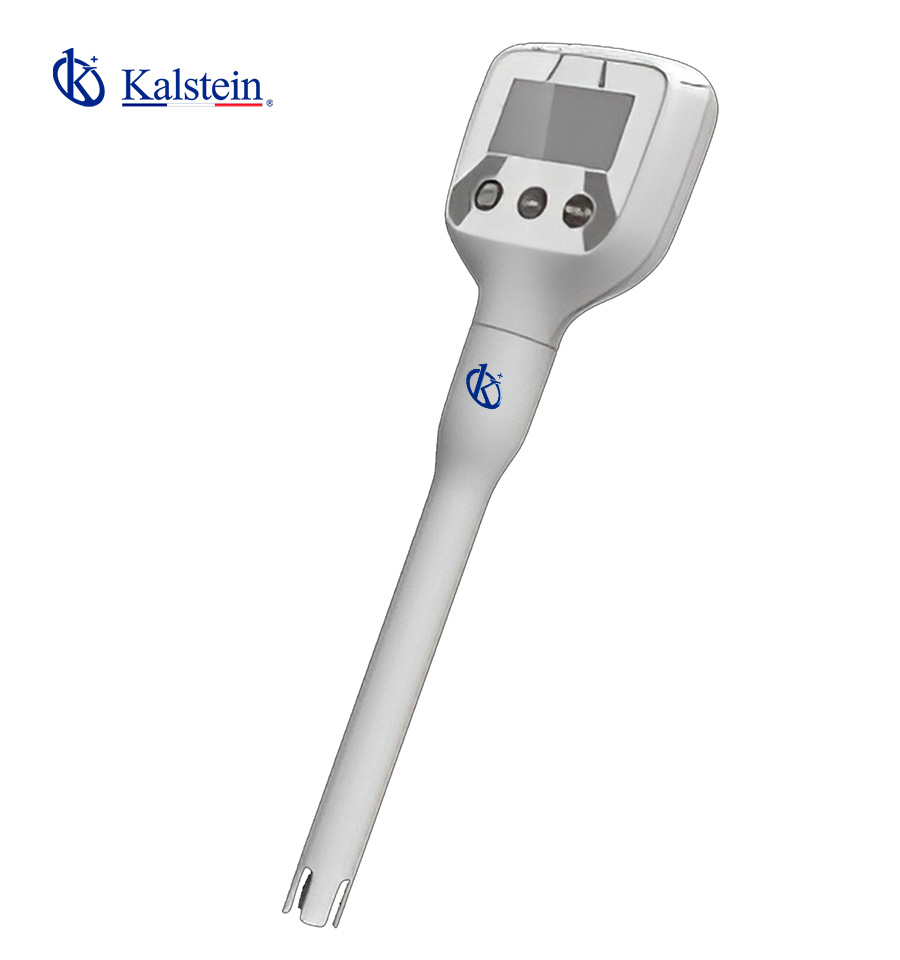
How to Ensure ISO/IEC Compliance with Portable Conductivity Meters
In today’s laboratory environment, maintaining compliance with ISO/IEC standards is crucial for ensuring quality, accuracy, and reliability of results. Portable conductivity meters play an essential role in helping laboratories meet these stringent requirements. This article will explore the various ISO/IEC regulations applicable to laboratory environments, how different models of portable conductivity meters can aid in compliance, and the best practices to follow for effective use.
Understanding ISO/IEC Standards in Laboratory Settings
ISO/IEC standards provide a framework for quality management and consistent operations in laboratories. ISO 17025, for instance, specifies the general requirements for the competence of testing and calibration laboratories. Compliance with such standards is vital for achieving reliability and validity in testing processes. By integrating portable conductivity meters into routine checks, laboratories can ensure precise measurements that align with these standards.
Relevance of Portable Conductivity Meters for ISO/IEC Compliance
Portable conductivity meters, such as the YR01805 and YR01806 models, offer robust features that align with compliance requirements. For example, their ability for automatic calibration and temperature compensation ensures accurate readings, which are essential for meeting ISO standards. Furthermore, these devices often come with data logging functionalities to maintain traceability, an important aspect of compliance.
ISO 17025 Compliance: Essential Features of Conductivity Meters
To comply with ISO 17025, laboratories must ensure traceability of measurements. Portable conductivity meters like the YR01810 offer calibration options that meet international standards, providing reliable results that can be traced back to recognized references. Additionally, features like automatic shut-off and low battery warnings enhance the reliability of these devices, ensuring they function properly during critical tasks.
Key ISO/IEC Clauses and How Portable Conductivity Meters Address Them
| ISO/IEC Clause | Addressed by Model | Features Supporting Compliance |
|---|---|---|
| ISO 17025: 6.5 - Equipment | YR01805 | Waterproof IP57 rating, automatic calibration |
| ISO 17025: 7.1 - Control of Records | YR01806 | Data storage and transfer capabilities |
| ISO 17025: 5.4 - Review of Requests | YR01810 | Clear display and easy usability |
Common Challenges in Meeting ISO/IEC Compliance
Laboratories often face challenges in ensuring equipment meets regulatory standards. For instance, improper calibration of portable conductivity meters can lead to inaccurate results, jeopardizing compliance efforts. To mitigate such risks, implementing a routine calibration schedule using models like the YR01808, which supports multiple-point calibration, is essential.
Best Practices for Using Portable Conductivity Meters
To maintain compliance, laboratories should adhere to best practices when using portable conductivity meters. This includes regular calibration, maintaining a clean measurement environment, and ensuring the devices are functioning correctly. Utilizing models with features such as automatic temperature compensation, like the YR01809, also aids in achieving consistent results aligned with ISO/IEC standards.
Comparison of Available Models
| Model Code | ISO/IEC Clauses Covered | Traceability Features | Best For |
|---|---|---|---|
| YR01805 | ISO 17025: 6.5 | Automatic calibration | Field testing |
| YR01806 | ISO 17025: 7.1 | Data storage | Laboratory analysis |
| YR01808 | ISO 17025: 5.4 | Multiple calibration points | Quality control |
| YR01809 | ISO 17025: 6.5 | Temperature compensation | Environmental monitoring |
| YR01810 | ISO 17025: 6.5 | Automatic shut-off | Routine checks |
Common Mistakes and How to Avoid Them
One of the most frequent mistakes laboratories make is neglecting the calibration of portable conductivity meters. Regular calibration is essential for compliance with ISO standards. Additionally, failing to document results accurately can lead to discrepancies in data, undermining compliance. Using models with built-in data logging, like the YR01810, can ease documentation efforts.
Frequently Asked Questions
What are the key features of portable conductivity meters for ISO compliance?
Portable conductivity meters, such as the YR01806, feature automatic calibration and data storage, which are essential for maintaining ISO compliance. These functionalities ensure accurate and traceable measurements, thereby supporting adherence to standards like ISO 17025.
How can I ensure accurate readings from my portable conductivity meter?
To ensure accurate readings, regularly calibrate your portable conductivity meter, such as the YR01805, according to the manufacturer's specifications. Maintaining a clean electrode and understanding the temperature compensation features also enhances measurement accuracy.
Which portable conductivity meter is best for regulatory compliance?
For regulatory compliance, the YR01810 is an excellent choice due to its multiple calibration points and automatic shut-off feature. These functionalities ensure that the meter operates accurately, helping laboratories meet ISO/IEC standards effectively.
What is the importance of data logging in compliance with ISO standards?
Data logging is crucial for compliance as it maintains a comprehensive record of measurements and calibrations. Models like the YR01806 facilitate this by storing data securely, ensuring traceability and compliance with ISO 17025 requirements.
How do I choose the right portable conductivity meter for my laboratory?
When choosing a portable conductivity meter, consider factors such as calibration capabilities, ease of use, and compliance features. Models like the YR01809 offer multiple measurement modes and automatic temperature compensation, making them suitable for various laboratory environments.
What are the calibration requirements for portable conductivity meters?
Calibration requirements may vary by model, but generally, portable conductivity meters like the YR01808 should be calibrated regularly, at least once a month, or after any major changes in usage or environment to ensure compliance with ISO standards.
Can portable conductivity meters be used in field testing for ISO compliance?
Yes, models like the YR01805 are designed for portability and can be used in field testing while still meeting ISO compliance. Their compact design and robust features make them ideal for various testing environments.
Conclusion
Ensuring ISO/IEC compliance in laboratory settings is essential for maintaining quality and reliability. By utilizing portable conductivity meters equipped with advanced features, laboratories can meet these crucial standards effectively. Regular maintenance and adherence to best practices will help laboratories achieve compliance and improve overall efficiency.
If you are looking for a fusion of innovation and quality, you have come to the right place. At Kalstein, we offer you the luxury of exploring our exclusive catalog of laboratory equipment. We manufacture every device to the highest standards of excellence. Our intuitive and seamless online purchasing channels are designed for your convenience, securing the most competitive prices. Hesitate no longer — we bring science to life, it is time to become part of our community.