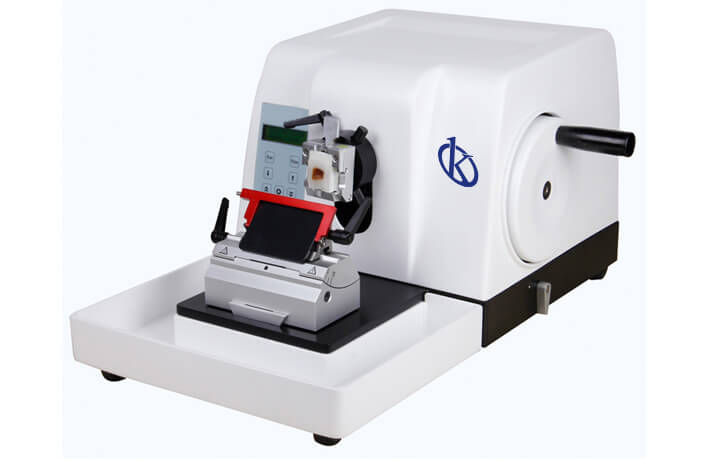
How to Ensure ISO/IEC Compliance with Microtomes in Laboratory Settings
In the realm of pathological anatomy, ensuring compliance with ISO/IEC standards is critical for laboratory operations. Microtomes, essential tools for slicing thin sections of tissue samples, play a pivotal role in obtaining reliable and reproducible results. This article delves into the various microtome models available, assessing their features against relevant ISO/IEC regulations, and discussing best practices for laboratories striving for compliance.
Understanding ISO/IEC Standards Relevant to Microtomes
ISO/IEC 17025 is a key standard that outlines the requirements for laboratories to demonstrate their ability to produce valid and reliable results. Compliance with this standard not only enhances credibility but also ensures that laboratory results are accepted internationally. Other relevant standards include ISO 15189, which pertains specifically to medical laboratories, and IEC 61010, which covers the safety requirements for electrical equipment used in laboratories. Understanding these standards is crucial for laboratory professionals when selecting the appropriate microtome.
Comparison of Available Models
| Model Code | ISO/IEC Clauses Covered | Traceability Features | Best For |
|---|---|---|---|
| YR417-1 | ISO 15189, IEC 61010 | No direct traceability features | General laboratory use |
| YR416 | ISO 17025, ISO 15189 | Internal calibration log | High-demand tissue slicing |
| YR417 | ISO 17025 | Manual calibration necessary | Histopathology labs |
| YR420 | IEC 61010 | Integrated safety features | Research applications |
| YR421 | ISO 17025 | Traceable calibration | Routine pathological analysis |
| YR422 | ISO 15189 | Safety alert system | High-volume labs |
How Microtome Features Enhance Compliance with ISO/IEC Standards
The features of microtomes are designed not just for efficiency but also to aid in meeting ISO/IEC standards. For instance, the YR416 model provides a robust calibration log that supports compliance with ISO 17025, ensuring accuracy in sample preparation. The precision of sectioning in this model allows for reproducibility, a critical requirement outlined in the ISO standards. Similarly, models like the YR420 integrate safety features that comply with IEC 61010, which is essential for laboratory equipment handling.
Documentation Practices for ISO/IEC Compliance
Documentation is a cornerstone of demonstrating compliance with ISO/IEC standards. Laboratories must maintain detailed records of equipment calibration, maintenance, and operational procedures. For example, the YR421 microtome, with its traceable calibration, facilitates easy documentation of compliance. Establishing a structured documentation process will not only help in audits but also enhance the overall quality management system in the laboratory.
Common Mistakes and How to Avoid Them
Many laboratories overlook the importance of regular equipment calibration and maintenance, leading to compliance issues. A common mistake is failing to document calibration intervals, which can result in inaccuracies during analysis. Utilizing models like the YR417 that require manual calibration necessitates a strict schedule for maintaining compliance. Additionally, ensuring that all staff is trained on the operational standards of the microtome can prevent misuse and enhance safety in accordance with IEC standards.
Strategies for Efficient Microtome Operation
Efficient operation of microtomes not only boosts productivity but also aligns with compliance standards. Implementing a standard operating procedure (SOP) for microtome use, including routines for cleaning and blade replacement, is essential. For instance, the YR422, with its easy-to-clean design and integrated safety features, can streamline operations while ensuring compliance. The efficiency of workflows can be maximized by training staff on proper usage techniques, contributing to reduced errors and enhanced compliance.
Implementing Quality Control Measures
Quality control measures are vital for maintaining compliance with ISO/IEC standards. Regular audits of microtome outputs, such as slice thickness and tissue integrity, can identify areas for improvement. For example, using the YR416 to produce consistent section thickness aligns with the precision requirements set forth in ISO standards. Establishing regular quality checks and calibrations will ensure that the lab remains compliant and that data generated is reliable.
Frequently Asked Questions
How can I ensure my microtome complies with ISO 17025 standards?
To ensure compliance with ISO 17025, select a model like the YR416, which features robust calibration logging and precision sectioning capabilities. Regular maintenance and calibration should be documented meticulously to meet ISO requirements.
What are the key ISO regulations that affect microtome usage in laboratories?
Key regulations include ISO 17025 and ISO 15189, which emphasize accuracy, reliability, and quality in laboratory practices. Models such as the YR421 are specifically designed to meet these regulatory requirements.
Which microtome features are critical for compliance with IEC 61010?
Compliance with IEC 61010 requires safety features such as those found in the YR420 model, which includes integrated safety alerts and operational safeguards to protect users during equipment handling.
What documentation is required for ISO compliance in microtome use?
Documentation should include calibration records, maintenance logs, and operational SOPs. Using a model like YR417 with traceable calibration can simplify the compliance documentation process.
How often should I calibrate my microtome to meet ISO standards?
Calibration frequency varies by model and laboratory use, but regular checks are essential for compliance. Models like YR421 allow for traceability and should be calibrated as per manufacturer recommendations for ISO adherence.
What common errors should I avoid to maintain microtome compliance?
Avoid negligence in documentation, inconsistent calibration practices, and inadequate staff training. Models like YR416 provide reliability that can help mitigate these risks through their robust features.
How do I choose the right microtome for regulatory compliance?
Consider factors such as calibration features, compliance with relevant ISO/IEC standards, and the intended laboratory application. Models like YR420 offer advanced features that align with safety and compliance needs.
Why is it important for my microtome to meet ISO/IEC standards?
Meeting ISO/IEC standards enhances laboratory credibility, ensures data reliability, and facilitates international acceptance of results. Selecting quality models like YR421 can significantly contribute to achieving these standards.
If you are looking for a fusion of innovation and quality, you have come to the right place. At Kalstein, we offer you the luxury of exploring our exclusive catalog of laboratory equipment. We manufacture every device to the highest standards of excellence. Our intuitive and seamless online purchasing channels are designed for your convenience, securing the most competitive prices. Hesitate no longer — we bring science to life, it is time to become part of our community.