How to Ensure Compliance with ISO/IEC Standards in Laboratory Equipment
In the landscape of laboratory operations, adhering to ISO/IEC standards is not just a regulatory requirement but a cornerstone for operational excellence. The ISO 17025 and ISO 15189 standards guide laboratories in achieving consistency in testing and calibration. This article will delve into how laboratory equipment can meet these regulatory requirements, focusing particularly on key models such as the Laboratory Microscope YR0237-0-1, YR0237-1, YR0237-1-1, and Fluid Handling Pipettes YR03731-1, YR03731-2, and YR03731-3.
Understanding ISO/IEC Standards for Laboratories
The ISO/IEC standards provide a structured framework for quality management in laboratories. ISO 17025 is crucial for testing and calibration laboratories, ensuring that they produce valid and reliable results. Meanwhile, ISO 15189 focuses on medical laboratories, emphasizing the importance of quality management systems. Compliance with these standards helps not only in ensuring the quality of results but also in increasing client trust.
Key ISO/IEC Standards Relevant to Laboratory Equipment
When discussing ISO/IEC compliance, several standards come into play, including:
- ISO 17025: Focuses on general requirements for the competence of testing and calibration laboratories.
- ISO 15189: Pertains to medical laboratories and emphasizes quality and competence.
- IEC 61010: Covers safety requirements for electrical equipment used in measurement, control, and laboratory use.
How Laboratory Equipment Supports Compliance
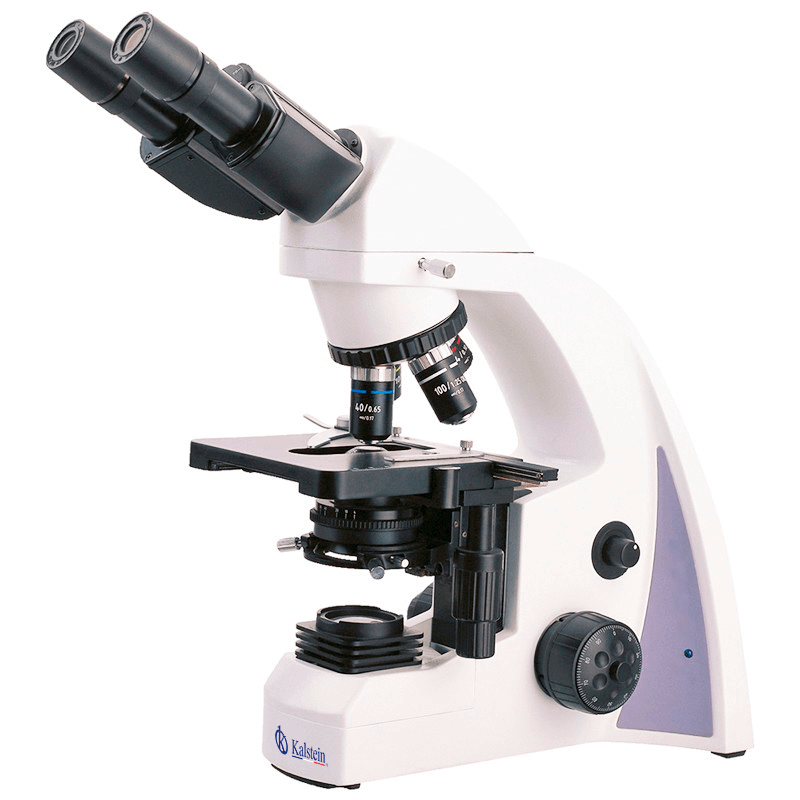
Laboratory equipment such as microscopes and pipettes must be designed to meet the rigorous demands of ISO/IEC standards. For instance, the Laboratory Microscope YR0237-0-1 and its variants offer high-quality optics and precise focusing mechanisms, ensuring accurate measurements. Compliance with ISO standards can be demonstrated through documented calibration procedures and performance validation, which are essential for maintaining laboratory accreditation.
Documentation and Traceability in Compliance
Documentation plays a vital role in ISO/IEC compliance. Laboratories must maintain meticulous records of their processes, including calibration data and equipment usage logs. For example, models like the Fluid Handling Pipettes YR03731-1, YR03731-2, and YR03731-3 provide users with clear indications for calibration, ensuring traceability and adherence to standards.
Audit Checklists for ISO/IEC Compliance
Regular audits are essential to maintain compliance with ISO/IEC standards. An effective audit checklist may include the following items:
- Verification of calibration records for each piece of equipment.
- Review of user training records to ensure all staff are adequately trained.
- Assessment of document control procedures.
Utilizing models like the YR0237 series microscopes, which are designed with user ergonomics in mind, can facilitate easier operation and proper training compliance.
Comparison of Available Models
| Model | ISO/IEC Clauses Covered | Traceability Features | Best For |
|---|---|---|---|
| YR0237-0-1 | ISO 17025 | Calibration logs | General laboratory use |
| YR0237-1 | ISO 15189 | Performance validation | Medical laboratories |
| YR0237-1-1 | IEC 61010 | Safety checks | Testing labs |
| YR03731-1 | ISO 17025 | Calibration indicators | Pipetting tasks |
| YR03731-2 | ISO 15189 | Color-coded volume indicators | Precision tasks |
| YR03731-3 | IEC 61010 | Ergonomic design documentation | High-throughput labs |
Common Mistakes and How to Avoid Them
Laboratories seeking compliance often encounter pitfalls, including inadequate documentation and failure to maintain calibration records. Regular training sessions on the importance of ISO/IEC standards can mitigate these issues. Furthermore, ensuring that all laboratory equipment, including models like the Laboratory Microscope YR0237-1, is regularly calibrated will prevent non-compliance issues from arising.
Frequently Asked Questions
How do I ensure my laboratory complies with ISO 17025 standards?
To ensure compliance with ISO 17025 standards, you should implement a quality management system that includes regular equipment calibration. Utilizing models like the Laboratory Microscope YR0237-0-1 can help maintain high accuracy, which is essential for compliance.
What documentation is required for ISO 15189 compliance in medical laboratories?
ISO 15189 compliance requires comprehensive documentation of quality management procedures and evidence of personnel competency. Regular use of certified equipment like the Fluid Handling Pipettes YR03731-1 can help meet these standards by providing reliable data tracking.
Which ISO standards are applicable to laboratory safety and equipment?
ISO 17025 and IEC 61010 are critical for ensuring laboratory safety and equipment reliability. Adopting the Laboratory Microscope YR0237-1-1 ensures that safety checks are implemented, which is crucial for compliance with these standards.
What are the key features to look for in ISO-compliant laboratory equipment?
Key features include calibration capabilities, traceability functions, and adherence to safety regulations. Models such as the YR03731 series pipettes include color-coded volume indicators that enhance usability and compliance tracking.
How often should laboratory equipment be audited for compliance?
Laboratory equipment should undergo regular audits at least annually to ensure compliance with ISO/IEC standards. This includes checking models like the Laboratory Microscope YR0237-0-1 for proper calibration and documentation.
What is the role of calibration in ISO 17025 compliance?
Calibration is vital for ISO 17025 compliance as it ensures the accuracy and reliability of test results. Regular calibration of laboratory equipment like the YR03731-3 pipette is necessary to maintain compliance standards.
How can I improve my lab's ISO compliance and efficiency?
Improving ISO compliance involves ensuring proper training, maintaining up-to-date documentation, and regularly calibrating equipment. Utilizing versatile models such as the Laboratory Microscope YR0237-1 can enhance both compliance and laboratory efficiency.
What are the best practices for maintaining ISO 15189 compliance?
Best practices for maintaining ISO 15189 compliance include implementing quality management processes, regularly reviewing personnel qualifications, and ensuring the use of reliable diagnostic equipment like the YR03731-2 pipette.
If you are looking for a fusion of innovation and quality, you have come to the right place. At Kalstein, we offer you the luxury of exploring our exclusive catalog of laboratory equipment. We manufacture every device to the highest standards of excellence. Our intuitive and seamless online purchasing channels are designed for your convenience, securing the most competitive prices. Hesitate no longer — we bring science to life, it is time to become part of our community.