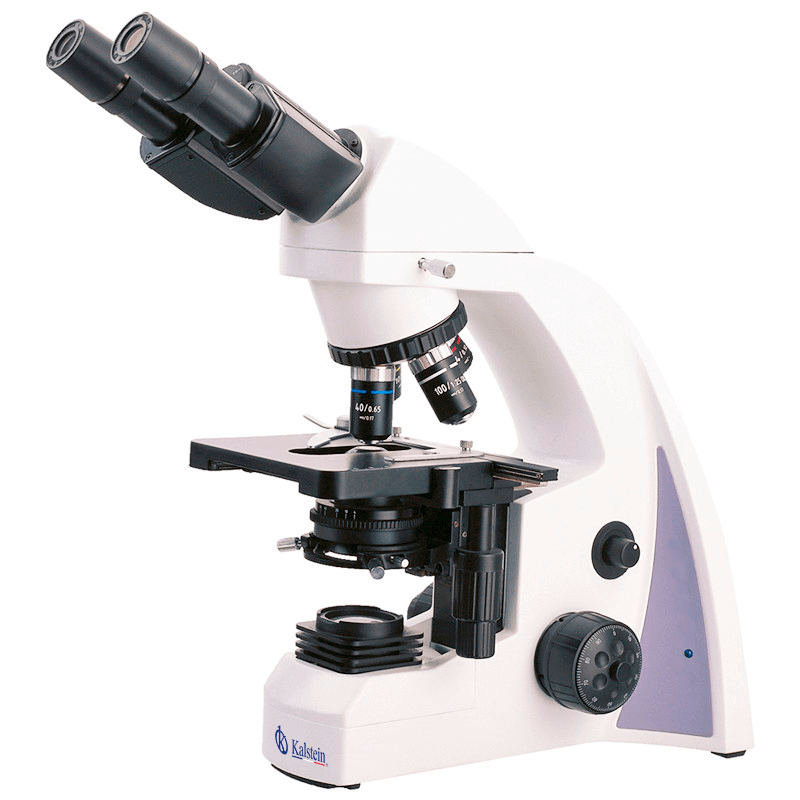
ISO/IEC Compliance in Laboratory Equipment: Understanding Requirements and Meeting Standards
In laboratory environments, adhering to ISO/IEC standards is crucial for ensuring quality and reliability in results. Compliance not only affects the quality of findings but also enhances the credibility of laboratories. This article provides an in-depth examination of ISO/IEC compliance, particularly focusing on laboratory equipment such as microscopes and pipettes. We will explore how various models meet specific regulations, ensuring that laboratories can operate within the guidelines set by these essential standards.
Understanding ISO/IEC Standards in Laboratory Contexts
ISO (International Organization for Standardization) and IEC (International Electrotechnical Commission) develop standards that ensure quality, safety, and efficiency across different sectors, including laboratories. For laboratories, complying with standards like ISO 17025 ensures that they operate competently and generate valid results. This section will dive into the primary standards relevant to laboratory equipment and their implications.
ISO 17025: General Requirements for Testing and Calibration Laboratories
ISO 17025 outlines the requirements for laboratories to demonstrate their competence in testing and calibration. It emphasizes the importance of a quality management system, technical capabilities, and consistent performance. Compliance with this standard is essential for laboratories, as it assures clients that tests and calibrations are performed reliably. Models like the Laboratory Microscope YR0237-0-1 play a significant role in meeting the technical requirements laid out in ISO 17025 through precise calibration and robust performance.
ISO 15189: Medical Laboratories and the Essential Requirements
ISO 15189 specifies the quality management system requirements particular to medical laboratories. It addresses aspects such as personnel qualifications, equipment management, and assurance of quality in test results. Laboratory equipment must be compliant to maintain accreditation. The Fluid Handling Pipettes YR03731-1, designed for high precision, are critical in maintaining the accuracy required under this standard.
IEC 61010: Safety Requirements for Electrical Equipment in Laboratories
IEC 61010 outlines safety requirements for electrical equipment used in laboratories. This standard ensures that equipment is safe for users and the environment. Compliance with these standards is crucial to prevent accidents and ensure laboratory safety. Equipment such as the Laboratory Microscope series adheres to these guidelines, providing safe operational features for laboratory personnel.
Documentation Requirements for ISO/IEC Compliance
Proper documentation is a cornerstone of compliance with ISO/IEC standards. It includes maintaining records of equipment calibration, maintenance logs, and training certifications. Each model of laboratory equipment, like the Laboratory Microscope YR0237-1, should come equipped with documentation that satisfies these compliance requirements. This not only aids in audits but also enhances operational integrity.
Audit Checklists: Ensuring Compliance
Regular audits are vital for maintaining compliance with ISO/IEC standards. Establishing an audit checklist that covers all necessary aspects, including equipment functionality, compliance with safety standards, and documentation integrity, can streamline the audit process. Using models like the Laboratory Microscope YR0237-1-1, which are designed for ease of validation, can aid in simplifying compliance audits.
Traceability in Laboratory Equipment
Traceability ensures that laboratory results can be traced back to a recognized standard or measurement. This is critical in regulatory compliance, especially under ISO standards. Calibration records of models like the Fluid Handling Pipettes YR03731-2 must be meticulously maintained to demonstrate traceability in compliance audits.
Comparison of Available Models
| Model | ISO/IEC Clauses Covered | Traceability Features | Best For |
|---|---|---|---|
| YR0237-0-1 | ISO 17025, IEC 61010 | Calibration logs, documentation included | Microscopy in clinical settings |
| YR0237-1 | ISO 15189 | Detailed user manuals, compliance checklists | Research laboratories needing precision |
| YR0237-1-1 | ISO 17025 | Traceable calibration certificates | Educational institutions for training |
| YR03731-1 | ISO 15189 | Volume verification systems | Clinical testing labs |
| YR03731-2 | IEC 61010 | Safety compliance documentation | Research requiring safe handling |
| YR03731-3 | ISO 17025 | Comprehensive user training guides | All-purpose laboratory use |
Common Mistakes and How to Avoid Them
Laboratories often face challenges in maintaining compliance with ISO/IEC standards due to oversight in documentation and improper equipment management. To avoid these pitfalls, laboratories should establish a rigorous protocol for documentation and regularly review equipment compliance. Additionally, choosing reliable models that come with comprehensive support, such as the Laboratory Microscope YR0237-0-1, can significantly streamline compliance efforts.
Frequently Asked Questions
How can I ensure my laboratory microscope meets ISO 17025 standards?
To ensure compliance with ISO 17025, it is essential to select a microscope like the Laboratory Microscope YR0237-1, which includes detailed calibration logs and user manuals to support traceability and accuracy.
What are the key ISO/IEC standards for laboratory equipment in clinical settings?
In clinical settings, ISO 15189 and ISO 17025 are critical standards. Equipment such as the Fluid Handling Pipettes YR03731-1 is designed to comply with these regulations, ensuring reliable results.
Which documentation is required for ISO compliance in laboratory pipettes?
For ISO compliance in pipettes, maintaining calibration logs and user documentation is essential. Models like the Fluid Handling Pipettes YR03731-2 come with traceable certification to support this requirement.
How frequently should laboratory equipment be calibrated for compliance?
Laboratory equipment should be calibrated regularly, typically annually or bi-annually, to maintain compliance. Equipment like the Laboratory Microscope YR0237-1-1 is designed to facilitate easy calibration and ensure adherence to standards.
What are the safety requirements for laboratory equipment under IEC 61010?
IEC 61010 outlines safety requirements that include electrical safety, user protection, and environmental considerations. Laboratory equipment such as the Laboratory Microscope series adheres to these safety norms, making it safe for laboratory use.
How do I create an audit checklist for ISO compliance?
An audit checklist for ISO compliance should include equipment functionality, safety checks, and documentation verification. Regular reviews of equipment like the Fluid Handling Pipettes YR03731-3 can help streamline the audit process.
What challenges do laboratories face in maintaining ISO compliance?
Common challenges include inadequate documentation and failure to update calibration records. Using reliable models such as the Laboratory Microscope YR0237-0-1 with robust documentation can help overcome these issues.
Where can I find reliable laboratory equipment that meets ISO/IEC standards?
Reliable laboratory equipment meeting ISO/IEC standards can be found at reputable suppliers. The models like the Fluid Handling Pipettes series offer compliance and precision, making them ideal choices for laboratories.
If you are looking for a fusion of innovation and quality, you have come to the right place. At Kalstein, we offer you the luxury of exploring our exclusive catalog of laboratory equipment. We manufacture every device to the highest standards of excellence. Our intuitive and seamless online purchasing channels are designed for your convenience, securing the most competitive prices. Hesitate no longer — we bring science to life, it is time to become part of our community.