How to Ensure ISO/IEC Compliance in Horizontal Electrophoresis Laboratories
In the ever-evolving landscape of laboratory standards, the importance of adhering to ISO/IEC regulations cannot be overstated. For laboratories performing horizontal electrophoresis, understanding and implementing these standards is crucial not only for compliance but also for enhancing operational efficiency and ensuring the reliability of results. This article explores the framework of ISO/IEC compliance specific to horizontal electrophoresis and evaluates various models that meet these stringent requirements, providing laboratory professionals with the insights needed for effective implementation.
Understanding ISO/IEC Standards Relevant to Horizontal Electrophoresis
ISO/IEC standards provide a comprehensive framework for laboratory operations, quality control, and safety. Specifically, laboratories engaged in horizontal electrophoresis must focus on standards such as ISO 17025, which outlines requirements for the competence of testing and calibration laboratories. Compliance with these standards ensures that laboratories produce valid and reliable results, which is essential for research and clinical applications.
Another relevant standard is ISO 15189, which specifies requirements for quality and competence in medical laboratories. Adopting such standards allows laboratories to enhance their operational processes, ensure traceability in results, and improve customer satisfaction.
Key Features of Horizontal Electrophoresis Units to Meet Compliance
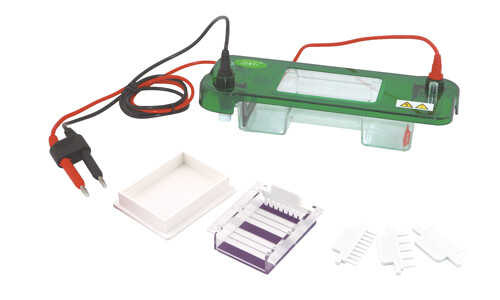
When selecting a horizontal electrophoresis unit, laboratory professionals should ensure that the equipment meets specific features that align with ISO/IEC compliance. Features such as traceability of results, comprehensive documentation, and proper calibration protocols are essential. For instance, models like the YR03415 and YR03420 provide flexible tank sizes and are designed to facilitate meticulous experimentation, which is crucial for meeting compliance requirements.
Comparison of Available Models
| Model | ISO/IEC Clauses Covered | Traceability Features | Best For |
|---|---|---|---|
| YR03415 | ISO 17025, ISO 15189 | Documented calibration records | Small sample volumes |
| YR03416 | ISO 17025 | Batch testing logs | Routine applications |
| YR03417 | ISO 15189 | Automated calibration reminders | Medium to large experiments |
| YR03418 | ISO 17025 | Integrated software for data logging | Comprehensive research projects |
| YR03419 | ISO 15189 | Traceability from sample to results | Clinical applications |
| YR03420 | ISO 17025, ISO 15189 | User-defined protocols | High throughput testing |
Documentation Requirements for ISO/IEC Compliance
Documenting every aspect of laboratory operations is vital for ISO/IEC compliance. Laboratories must maintain records detailing procedures, calibrations, maintenance schedules, and results. For horizontal electrophoresis, this includes documentation for each run performed on the units, ensuring that all processes are traceable and reproducible. Regular audits are essential to verify compliance, and tools like the YR03416 with built-in logging features can simplify this process.
Audit Checklists for Compliance Verification
To maintain compliance with ISO/IEC standards, laboratories should implement regular audits. A checklist can be a valuable tool during these audits, helping to ensure that all aspects of laboratory protocols are being followed. Key items to include in an audit checklist might involve:
- Verification of equipment calibration records
- Review of sample traceability and documentation
- Assessment of compliance with safety standards
- Evaluation of technician training and qualifications
Each of the models listed has built-in features that can help streamline these processes, making compliance easier to achieve.
Common Mistakes and How to Avoid Them
One of the most common mistakes in laboratories is overlooking the importance of regular equipment maintenance and calibration. Failing to adhere to maintenance schedules can lead to non-compliance and unreliable results. Laboratory professionals should establish a strict maintenance routine based on the manufacturer's recommendations for each model, such as the YR03420, which facilitates easy maintenance checks.
Another common oversight is inadequate training for laboratory personnel. Ensuring that all staff are trained in both operational protocols and compliance standards is essential for maintaining laboratory integrity.
Frequently Asked Questions
What are the ISO/IEC standards applicable to horizontal electrophoresis laboratories?
The ISO/IEC standards applicable include ISO 17025 for testing and calibration laboratories and ISO 15189 for medical laboratories. Compliance ensures reliable results, which is crucial for laboratories using models like the YR03415 and YR03420.
How can I ensure that my horizontal electrophoresis system meets ISO 17025 requirements?
To ensure compliance with ISO 17025, laboratories must develop a quality management system, maintain proper documentation, and routinely calibrate equipment. Models such as YR03416 provide features that support these processes effectively.
Which horizontal electrophoresis model is best for small sample volumes?
The YR03415 is ideal for small sample volumes, meeting ISO 17025 and ISO 15189 standards. Its design allows for efficient processing of various sample sizes while maintaining compliance with regulatory requirements.
What documentation is required for ISO 15189 compliance in a lab?
ISO 15189 requires documentation of all laboratory processes, including protocols, calibration records, and quality control measures. Models like YR03419 support robust documentation practices to ensure compliance.
How does regular calibration affect compliance in horizontal electrophoresis?
Regular calibration ensures that equipment maintains performance standards, which is essential for compliance with ISO/IEC requirements. The YR03418 features automated calibration reminders to help maintain compliance consistently.
What are the traceability requirements for horizontal electrophoresis results?
Traceability requires that every result can be traced back to its source, including sample identification and processing history. Horizontal electrophoresis models like YR03420 support user-defined protocols to enhance traceability.
How can I prepare for an ISO/IEC audit in my laboratory?
Preparation for an audit includes reviewing documentation, ensuring equipment is calibrated, and conducting internal audits using checklists. Utilizing models like YR03416 can help streamline this process through effective logging of operations.
What benefits come from implementing ISO/IEC standards in a horizontal electrophoresis lab?
Implementing ISO/IEC standards enhances laboratory credibility, improves operational efficiencies, and increases the reliability of results. This is particularly important for labs using models like YR03417, which are designed to meet these standards.
If you are looking for a fusion of innovation and quality, you have come to the right place. At Kalstein, we offer you the luxury of exploring our exclusive catalog of laboratory equipment. We manufacture every device to the highest standards of excellence. Our intuitive and seamless online purchasing channels are designed for your convenience, securing the most competitive prices. Hesitate no longer — we bring science to life, it is time to become part of our community.