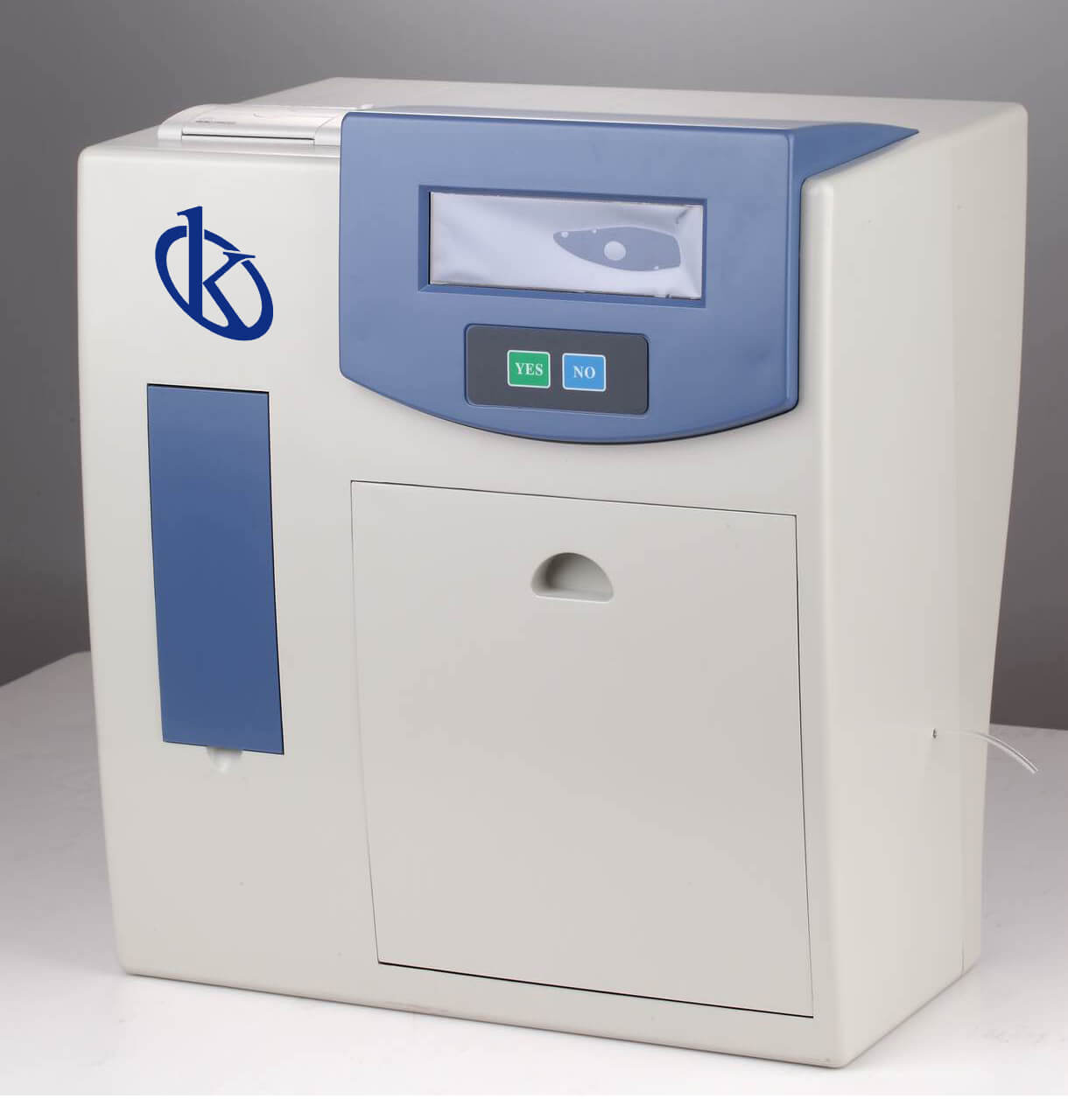
How to Ensure ISO/IEC Compliance with Your Electrolyte Analyzers
As laboratories face increasing pressure to meet stringent regulatory standards, ensuring compliance with ISO/IEC norms becomes paramount. Electrolyte analyzers are essential tools for clinical laboratories, providing accurate results for patient diagnosis. This article will delve into the specific ISO/IEC standards relevant to electrolyte analyzers, analyzing how different models can help laboratories achieve compliance.
Understanding ISO/IEC Norms for Laboratories
ISO/IEC standards provide guidelines that ensure the quality and reliability of laboratory results. Key standards relevant to electrolyte analyzers include ISO 17025, which outlines the requirements for the competence of testing and calibration laboratories, and ISO 15189, which specifies requirements for quality and competence in medical laboratories.
ISO 17025: Relevance to Electrolyte Analyzers
ISO 17025 is crucial for laboratories using electrolyte analyzers. It includes requirements for managing laboratory operations, ensuring reliability in test results, and maintaining equipment. Compliance with this standard ensures that laboratories can effectively demonstrate their competence in performing analyses.
Key Compliance Areas for ISO 17025
Some key areas of compliance include:
- Document Control: Implementing systematic documentation processes for protocols and results.
- Calibration: Regularly calibrating instruments such as electrolyte analyzers to maintain measurement accuracy.
- Quality Assurance: Establishing quality control measures to monitor performance.
Model-Specific Features Supporting ISO/IEC Compliance
Electrolyte Analyzer YR05169
The YR05169 model offers advanced automatic software capabilities that ensure stable electrical potential, which is essential for ISO compliance. Its real-time diagnostic system alerts users to any operational anomalies, promoting proactive maintenance and reliable results.
Electrolyte Analyzer YR06391
This model features a user-friendly interface with a 7-inch color touchscreen, making it easier for laboratory personnel to follow standard procedures. Additionally, its low operating costs facilitate budget management, allowing compliance within financial constraints.
Comparison of Available Models
| Model | ISO/IEC Clauses Covered | Traceability Features | Best For |
|---|---|---|---|
| YR05169 | ISO 17025 | Automatic calibration | High-throughput labs |
| YR06391 | ISO 15189 | Real-time diagnostics | Clinicians needing quick results |
| YR06392 | ISO 17025 | Calibration tracking | Routine testing environments |
| YR06393 | ISO 15189 | Built-in quality control | Research laboratories |
| YR06394 | ISO 17025 | Documentation support | General clinical labs |
| YR06395 | ISO 15189 | Data management | Emergency labs |
Common Mistakes and How to Avoid Them
Laboratories often overlook the importance of regular calibration and documentation, which are vital for compliance. Failing to keep accurate records can lead to non-compliance with ISO/IEC standards. Additionally, neglecting regular training for staff on the operation of electrolyte analyzers can result in inconsistent results. Establishing a rigorous training program and calibration schedule can mitigate these risks.
Audit Checklists for Compliance
To ensure compliance with ISO/IEC standards, laboratories should develop audit checklists that include:
- Verification of calibration schedules for electrolyte analyzers like YR05169.
- Review of documentation practices to ensure traceability.
- Assessment of training records for laboratory personnel.
Frequently Asked Questions
How do electrolyte analyzers meet ISO 17025 requirements?
Electrolyte analyzers like the YR05169 comply with ISO 17025 through features like automatic calibration and real-time diagnostics, ensuring the accuracy and reliability of results.
What key features should I look for in an ISO compliant electrolyte analyzer?
Look for models such as the YR06391 that offer low operating costs, real-time diagnostics, and robust documentation support to ensure compliance with ISO standards.
Which electrolyte analyzer is best for ISO 15189 compliance?
The YR06395 is particularly suited for ISO 15189 compliance due to its advanced data management capabilities, which are crucial for maintaining quality in medical testing.
How often should electrolyte analyzers be calibrated for ISO compliance?
For models like the YR06392, calibration should be performed regularly, ideally every six months or as stipulated by the manufacturer's guidelines to maintain ISO compliance.
What is the importance of traceability in electrolyte testing?
Traceability is vital for ensuring that results from electrolyte analyzers like the YR06393 can be linked back to recognized standards, thereby supporting ISO compliance and enhancing reliability.
How can I improve compliance in my laboratory using electrolyte analyzers?
Implement a comprehensive quality management system that includes regular training, calibration, and documentation practices, particularly using models like the YR05169 for efficiency.
What are common challenges faced in achieving ISO compliance with electrolyte analyzers?
Common challenges include maintaining accurate documentation and ensuring staff are properly trained in the operation of devices like the YR06394, which can impact compliance.
How to choose the right electrolyte analyzer based on compliance needs?
Assess the specific ISO/IEC standards relevant to your laboratory, then choose models like the YR06391 that fulfill those requirements effectively, ensuring compliance and operational efficiency.
If you are looking for a fusion of innovation and quality, you have come to the right place. At Kalstein, we offer you the luxury of exploring our exclusive catalog of laboratory equipment. We manufacture every device to the highest standards of excellence. Our intuitive and seamless online purchasing channels are designed for your convenience, securing the most competitive prices. Hesitate no longer — we bring science to life, it is time to become part of our community.