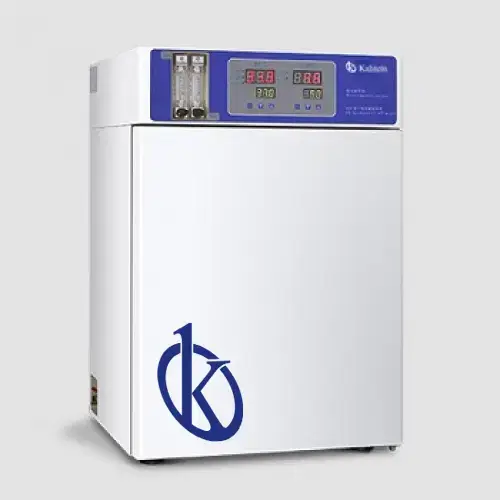
How to Ensure ISO/IEC Compliance with CO₂ Incubators in Laboratories
In the ever-evolving landscape of laboratory practices, ensuring compliance with ISO/IEC standards has become increasingly important. CO₂ incubators play a pivotal role in cellular and microbiological research, and understanding their contributions to compliance is essential for laboratory professionals. This article delves into the critical ISO/IEC standards relevant to CO₂ incubators and analyzes several models to determine how they aid in meeting regulatory requirements.
Understanding ISO/IEC Standards Relevant to CO₂ Incubators
ISO/IEC standards provide a framework for quality management systems and ensure laboratories operate consistently and reliably. Standards such as ISO 17025 and ISO 15189 are particularly crucial for laboratories that rely on CO₂ incubators for culturing cells, tissues, and bacteria. These standards focus on testing and calibration, quality assurance, and technical competence.
ISO 17025 specifies the requirements for the competence of testing and calibration laboratories. It emphasizes the importance of maintaining accurate environmental conditions within incubators, including temperature and CO₂ levels. The accurate performance of CO₂ incubators is essential to satisfy these standards, ensuring reliable experimental outcomes and compliance with regulatory authorities.
ISO 15189 outlines specific requirements for quality and competence in medical laboratories. Compliance with this standard involves maintaining precise control over the incubation environment, which directly affects sample integrity and test results. Therefore, selecting CO₂ incubators that align with these standards is crucial for laboratories aiming to achieve or maintain accreditation.
Comparison of Available Models
| Model | ISO/IEC Clauses Covered | Traceability Features | Best For |
|---|---|---|---|
| YR02048 | ISO 17025, ISO 15189 | Microprocessor control, consistent temperature | Cell and tissue cultures |
| YR02049 | ISO 17025, ISO 15189 | Temperature stability, CO₂ recovery time | Oncology and genetics research |
| YR02049-1 | ISO 17025 | Professional-grade CO₂ sensor | Microbiological and pathological research |
Key Features of Each Model
Each CO₂ incubator model offers a variety of features that support compliance with ISO/IEC standards. The YR02048 is designed for cell and tissue cultures, providing precise temperature control and rapid CO₂ recovery, making it ideal for laboratories focused on immunology and biotechnology.
The YR02049, with its enhanced features, caters to oncology and genetics research, ensuring stable environmental conditions essential for sensitive experiments. Finally, the YR02049-1 incorporates advanced CO₂ sensing technology, making it well-suited for microbiological and pathological research where contamination prevention is paramount.
Common Mistakes and How to Avoid Them
One common mistake laboratories make is overlooking the importance of calibration and regular maintenance of CO₂ incubators. Without routine checks, deviations in temperature and CO₂ levels can occur, leading to non-compliance with ISO/IEC standards. It is crucial to implement a strict calibration schedule that aligns with manufacturer guidelines and ISO standards to maintain accuracy.
Another mistake is failing to document environmental conditions consistently. Compliance with ISO/IEC standards requires thorough record-keeping of all operational parameters, including temperature, humidity, and CO₂ concentrations. Utilizing automated logging systems within CO₂ incubators can help mitigate this risk and ensure traceability.
The Role of CO₂ Incubators in Regulatory Compliance
CO₂ incubators are critical in maintaining the necessary conditions for cell growth and development in laboratories. By providing a controlled environment that simulates physiological conditions, they support compliance with ISO/IEC standards essential for laboratory accreditation. Accurate temperature and CO₂ control ensure experimental reliability and reproducibility, key factors during audits and inspections.
Incorporating features such as UV sterilization and microprocessor control further enhances compliance, as these technologies help reduce the risk of contamination and ensure consistent performance. Each of the models discussed plays a vital role in fulfilling these requirements, enabling laboratories to meet industry standards effectively.
Maintaining Compliance Through Routine Calibration
Routine calibration of CO₂ incubators is a fundamental aspect of maintaining compliance with ISO/IEC standards. Laboratories should establish a calibration schedule that specifies the frequency of checks based on usage and manufacturer recommendations. For instance, many laboratories opt for quarterly calibrations to ensure optimal performance and adherence to standards.
The calibration process typically includes verifying temperature accuracy, CO₂ concentration, and humidity levels. Utilizing certified calibration equipment and maintaining a traceable calibration record are crucial for compliance. Regular training for laboratory personnel on calibration procedures can also help ensure that compliance is maintained consistently.
Assessing Energy Efficiency in CO₂ Incubators
Energy efficiency is becoming increasingly important in laboratory settings, not only for cost savings but also for sustainability. CO₂ incubators consume significant energy, and understanding their energy consumption patterns is vital for compliance with modern sustainability standards. Laboratories should assess kWh per run and overall operational cost to identify potential areas for improvement.
Incorporating energy-efficient models such as the YR02049-1, which features advanced insulation and optimized heating technology, can help reduce energy consumption. By implementing energy monitoring systems, labs can keep track of their usage and make informed decisions about their incubator choices to align with ISO/IEC sustainability standards.
Frequently Asked Questions
What specifications should I look for in a compliant CO₂ incubator?
When selecting a compliant CO₂ incubator, look for models like the YR02048 that meet ISO standards such as ISO 17025 and ISO 15189. Features such as accurate temperature control (±0.1℃) and reliable CO₂ recovery times are essential to ensure compliance.
How can I ensure my CO₂ incubator meets ISO 17025 standards?
To ensure compliance with ISO 17025 standards, use models like the YR02049, which include microprocessor control for precise conditions. Regular calibration and maintaining detailed logs of performance metrics are vital to meeting ISO requirements.
What are the benefits of using a CO₂ incubator for microbiological research?
Using CO₂ incubators like the YR02049-1 for microbiological research ensures controlled environmental conditions essential for accurate culture results. Their advanced features help in preventing contamination and achieving reliable experimental outcomes.
How frequently should CO₂ incubators be calibrated for compliance?
CO₂ incubators should be calibrated at least quarterly to maintain compliance with ISO standards. This ensures all temperature and CO₂ levels remain stable, especially for models like the YR02048, which are critical for sensitive research.
What energy-saving features should I consider in CO₂ incubators?
Consider CO₂ incubators like the YR02049-1 that include insulation technology and energy-efficient heating elements. These features reduce energy consumption, aligning with sustainability goals while maintaining compliance with ISO standards.
How do I document compliance with ISO standards in my laboratory?
Documentation of compliance can be achieved by maintaining records of calibration, environmental conditions, and maintenance activities. Implementing automated systems in models like the YR02048 helps streamline this process, ensuring adherence to ISO 17025.
What impact does CO₂ incubator performance have on laboratory accreditation?
CO₂ incubator performance directly impacts laboratory accreditation as it influences the reliability of experimental data. Models such as the YR02049 are designed to maintain stringent conditions that are critical for compliance with ISO 15189 and other standards.
Why is it important to follow ISO 15189 guidelines for CO₂ incubators?
Following ISO 15189 guidelines ensures that CO₂ incubators like the YR02049-1 provide the necessary environment for medical testing, which is crucial for accurate results. This adherence is vital for laboratory accreditation and quality assurance.
If you are looking for a fusion of innovation and quality, you have come to the right place. At Kalstein, we offer you the luxury of exploring our exclusive catalog of laboratory equipment. We manufacture every device to the highest standards of excellence. Our intuitive and seamless online purchasing channels are designed for your convenience, securing the most competitive prices. Hesitate no longer — we bring science to life, it is time to become part of our community.