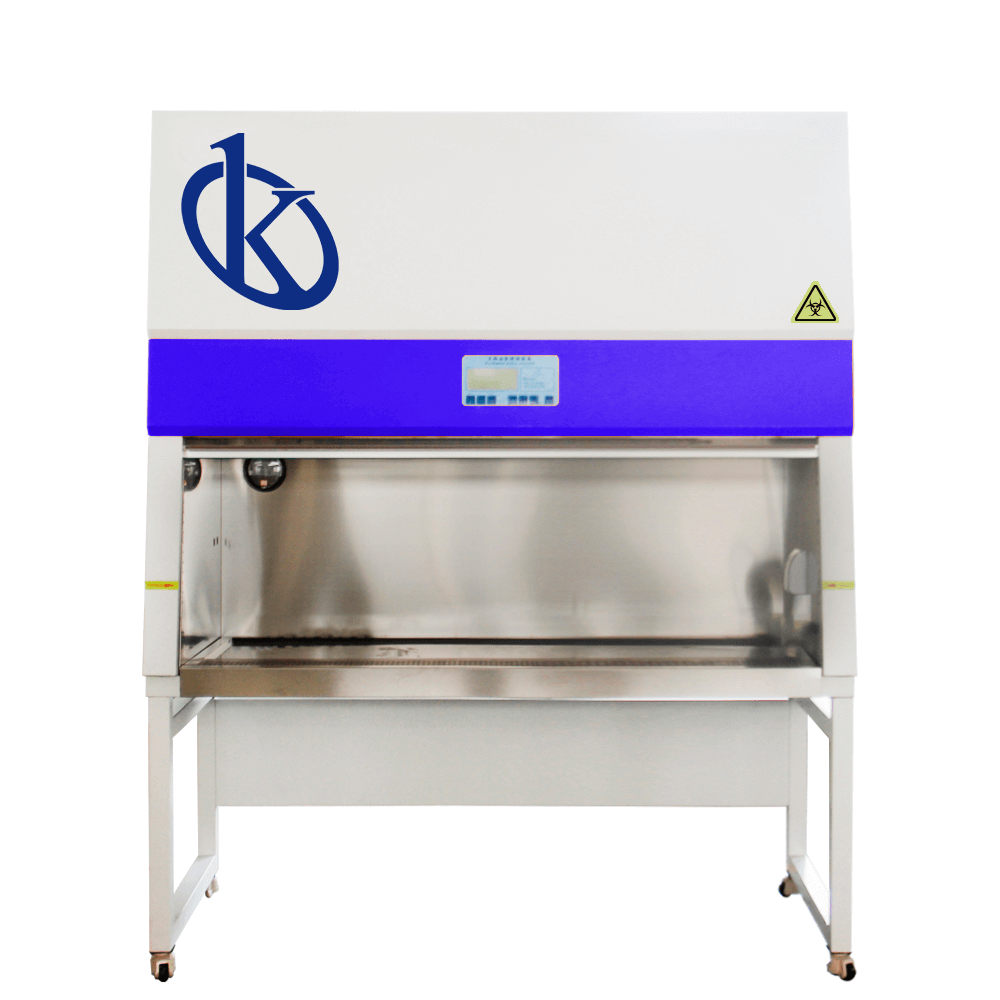
How to Ensure ISO/IEC Compliance with Class II Biosafety Cabinets
In laboratory environments, ensuring the safety of personnel and integrity of experiments is paramount. Class II biosafety cabinets are essential for achieving this purpose, specifically designed to provide a safe working space when handling hazardous materials. However, compliance with ISO/IEC standards can be complex. This article will delve into the necessary standards for biosafety cabinets, focusing on how various models meet these criteria.
ISO/IEC Regulations for Laboratory Biosafety
The ISO and IEC standards set forth regulations that laboratories must adhere to, ensuring quality, safety, and efficiency. Specifically, ISO 17025 outlines the requirements for the competence of testing and calibration laboratories, while IEC 61010 focuses on safety requirements for electrical equipment used in measurement, control, and laboratory use. Understanding these standards is crucial for laboratory professionals tasked with maintaining compliance.
ISO 17025 Compliance
ISO 17025 establishes the need for a quality management system that includes regular audits, personnel training, and accurate documentation of procedures. Class II biosafety cabinets like the YR05704 and YR05270 incorporate features that facilitate compliance, such as HEPA filtration and rigorous airflow management, which provide a controlled environment for testing.
IEC 61010 Safety Standards
IEC 61010 emphasizes the importance of electrical safety within laboratory equipment. Class II biosafety cabinets must be designed to minimize electrical risks. Models such as the YR0090-A and YR05271 come equipped with features such as overload protection and safe electrical designs, ensuring that operators are protected from potential hazards.
Comparative Overview of Class II Biosafety Cabinets
To better understand how different models of Class II biosafety cabinets measure up against ISO/IEC compliance, let’s examine their specifications and features.
| Model | ISO/IEC Clauses Covered | Traceability Features | Best For |
|---|---|---|---|
| YR05704 | ISO 17025, IEC 61010 | Integrated HEPA filter monitoring | General laboratory use |
| YR05705 | ISO 17025, IEC 61010 | Real-time airflow monitoring | Microbiology applications |
| YR05706 | ISO 17025, IEC 61010 | Data logging capabilities | Cell culture work |
| YR0090-A | ISO 17025, IEC 61010 | Alarm systems for airflow | Biological research |
| YR05270 | ISO 17025, IEC 61010 | Microcomputer-controlled monitoring | Pharmaceutical applications |
| YR05271 | ISO 17025, IEC 61010 | Self-diagnostics | High-containment labs |
Common Mistakes and How to Avoid Them
Many laboratories encounter challenges when striving for compliance with ISO/IEC standards. Common mistakes include inadequate training of personnel, failure to maintain equipment properly, and neglecting to keep up with the latest regulatory updates. It is essential for laboratory managers to implement continuous training programs and regular equipment evaluations, especially for models like the YR05705 and YR05271, which incorporate advanced monitoring systems.
Best Practices for Compliance
Adhering to ISO/IEC standards is not just about selecting the right equipment, but also about establishing a culture of compliance within the laboratory. Regular audits, an open channel for reporting issues, and a comprehensive training program for all staff are essential components. Using models such as the YR0090-A with clear operational protocols can greatly enhance the compliance process.
Technical Specifications and Performance Analysis
Performance metrics play a critical role in compliance with regulatory standards. The efficiency of HEPA filters, airflow velocity, and noise levels must all be monitored regularly. For instance, the YR05706 offers a high level of HEPA filtration and meets ISO 14644.1 Class 5 cleanliness standards, vital for laboratories involved in sensitive research.
| Model | HEPA Filter Efficiency | Airflow Velocity (m/s) | Noise Level (dB) |
|---|---|---|---|
| YR05704 | 99.99% | 0.35 | 65 |
| YR05705 | 99.99% | 0.38 | 65 |
| YR05706 | 99.99% | 0.40 | 65 |
| YR0090-A | 99.99% | 0.38 | 65 |
| YR05270 | 99.995% | 0.53 | 65 |
| YR05271 | 99.995% | 0.53 | 65 |
Frequently Asked Questions
What are the key features of Class II biosafety cabinets for ISO compliance?
Class II biosafety cabinets, like the YR05704, are equipped with HEPA filters and airflow management systems that meet ISO 17025 and IEC 61010 standards. These features help maintain a safe working environment and ensure compliance with regulatory requirements.
How do I ensure my biosafety cabinet meets ISO 17025 standards?
To ensure compliance, regularly audit your biosafety cabinet, such as the YR05270, to verify it meets ISO 17025 requirements. Implement a quality management system and maintain a detailed record of all tests conducted within the cabinet.
Which models are best suited for laboratories requiring IEC 61010 compliance?
Models like the YR05706 and YR0090-A are designed with safety features that comply with IEC 61010. They include overload protection and safe electrical designs, making them ideal for laboratories prioritizing electrical safety.
What maintenance practices help keep biosafety cabinets compliant?
Regular maintenance practices, such as cleaning HEPA filters and checking airflow velocities, are essential. For instance, the YR05705 has built-in monitoring for airflows, ensuring compliance and safety in laboratory operations.
How can I train staff on using biosafety cabinets effectively?
Provide comprehensive training programs that cover equipment features and compliance standards. Utilizing models like the YR05271, which include clear operational protocols, can enhance staff understanding and adherence to safety standards.
What documentation is required for ISO compliance in laboratories?
Documentation should include maintenance records, calibration logs, and quality control data. For biosafety cabinets like the YR0090-A, maintaining detailed logs of operational parameters is crucial for demonstrating compliance with ISO standards.
How do airflow velocities impact biosafety cabinet performance?
Airflow velocities are critical for maintaining a sterile environment. For example, the YR05270 operates at an airflow velocity of 0.53 m/s, which is essential for ensuring that contaminants are effectively filtered and do not compromise laboratory work.
What are the consequences of non-compliance in laboratory settings?
Non-compliance can lead to laboratory closures, fines, and serious safety incidents. Ensuring your biosafety cabinet, such as the YR05704, meets ISO/IEC standards is vital for both compliance and the safety of laboratory personnel.
If you are looking for a fusion of innovation and quality, you have come to the right place. At Kalstein, we offer you the luxury of exploring our exclusive catalog of laboratory equipment. We manufacture every device to the highest standards of excellence. Our intuitive and seamless online purchasing channels are designed for your convenience, securing the most competitive prices. Hesitate no longer — we bring science to life, it is time to become part of our community.