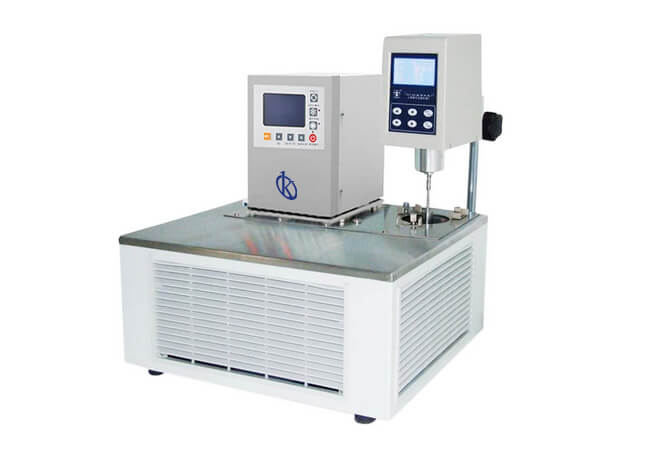
How to Ensure ISO/IEC Compliance with Bath Circulators in Your Laboratory
Bath circulators are vital instruments in laboratory settings, particularly for applications requiring precise temperature control. As laboratories strive to maintain compliance with ISO/IEC standards, selecting the right bath circulator becomes essential. This article delves into the features and specifications of various bath circulators, aligning their capabilities with key regulatory requirements, and ensuring your laboratory meets the highest standards of quality and safety.
Understanding ISO/IEC Standards and Their Importance in Laboratories
ISO/IEC standards are a set of regulations aimed at ensuring quality, safety, and efficiency in laboratory practices. Compliance with these standards is critical for laboratories to operate effectively and guarantee the reliability of their results. For bath circulators, these standards dictate factors such as temperature accuracy, calibration procedures, and documentation practices. Meeting these requirements not only enhances laboratory credibility but also positions labs to perform at their best.
Key ISO/IEC Norms Relevant to Bath Circulators
The primary standards that bath circulators must comply with include:
- ISO 17025: This standard outlines the requirements for laboratory testing and calibration, emphasizing the importance of accuracy and traceability in temperature measurements.
- IEC 61010: This standard provides safety requirements for electrical equipment used in measurement, control, and laboratory environments, ensuring that bath circulators operate safely under various conditions.
Models Overview: Bath Circulators and Their Compliance Features
Below, we discuss various models of bath circulators, focusing on their attributes that support compliance with ISO/IEC standards.
Circulating Bathroom Cooling and Heating YR04985
The YR04985 model excels in providing precise temperature control with minimal fluctuation, making it ideal for applications such as viscosity measurements that require high accuracy. It features a PID temperature control mode and an LCD display for easy parameter monitoring, aligning with ISO 17025 requirements for accuracy and traceability.
Circulating Bathroom Cooling and Heating YR04999
This model supports a broader temperature range from -30°C to 100°C, making it suitable for diverse applications, including electronic testing and chemical synthesis. The robust cooling compressor and overheat alarm enhance safety, adhering to IEC 61010 standards.
Circulating Bathroom Cooling and Heating YR04996
With features like PID control and a low noise operation, the YR04996 is designed for optimal performance in sensitive experiments. Its stainless steel tank construction ensures durability and compliance with hygiene standards mandated by ISO norms.
Circulating Bathroom Cooling and Heating YR04988
Offering precise temperature stability, this model is particularly effective for life sciences and chemical synthesis, supporting compliance with ISO/IEC standards through its advanced circulation pump and alarm systems.
Circulating Bathroom Cooling and Heating YR04989
The YR04989 model stands out with its high flow rate and effective thermal management, making it ideal for laboratories that require extensive use of bath circulators in temperature-sensitive applications.
Circulating Bathroom Cooling and Heating YR04986
This model provides reliable performance with high accuracy and a built-in water level alarm, ensuring operational safety while adhering to IEC safety standards.
Comparison of Available Models
| Model | Temperature Range (°C) | Accuracy (°C) | Best for | Price (USD) |
|---|---|---|---|---|
| YR04985 | -5 to 99.9 | ±0.1 | Viscosity measurements | 583.00 |
| YR04999 | -30 to 100 | ±0.05 | Electronic testing | 1367.00 |
| YR04996 | -5 to 100 | ±0.05 | Life sciences experiments | 867.00 |
| YR04988 | -20 to 100 | ±0.05 | Chemical synthesis | 617.00 |
| YR04989 | -30 to 100 | ±0.05 | Extensive temperature applications | 717.00 |
| YR04986 | -5 to 100 | ±0.05 | General laboratory use | 500.00 |
Common Mistakes and How to Avoid Them
When incorporating bath circulators into laboratory workflows, several common pitfalls can hinder compliance with ISO/IEC standards. Below are key mistakes to avoid:
- Ignoring Calibration: Regular calibration is essential to meet ISO 17025 accuracy requirements. Implement a routine calibration schedule to ensure compliance.
- Neglecting Documentation: Proper documentation of temperature settings and calibrations is critical for traceability. Maintain detailed records to comply with ISO standards.
- Overlooking Safety Features: Ensure all equipment meets IEC safety standards by regularly checking for functionality of alarms and control features.
Frequently Asked Questions
What are the ISO/IEC standards applicable to lab bath circulators?
ISO 17025 and IEC 61010 are crucial standards for laboratory bath circulators. ISO 17025 focuses on testing and calibration accuracy, while IEC 61010 covers safety requirements for electrical equipment. Models like YR04985 and YR04999 are designed to help laboratories comply with these standards.
How can I ensure my bath circulator meets ISO 17025 requirements?
To ensure compliance with ISO 17025, regularly calibrate your bath circulator, such as the YR04996, and maintain meticulous records of calibrations and adjustments. This ensures traceability and accuracy in temperature control.
What safety features should I look for in a bath circulator?
Safety features such as overheat alarms and water level sensors are vital. Models like the YR04999 include these features to meet IEC 61010 standards, ensuring safe laboratory operations.
How does the YR04988 model comply with ISO standards?
The YR04988 model complies with ISO standards through its PID temperature control and stainless steel construction, providing reliable temperature stability suitable for chemical synthesis while ensuring safety and quality.
Which bath circulator offers the best value for compliance?
The YR04986 model, priced at $500, offers excellent compliance features such as accuracy and safety alarms, making it a cost-effective choice for laboratories needing ISO/IEC compliance.
What temperature range do I need for electronic testing with bath circulators?
For electronic testing, a temperature range of -30°C to 100°C is optimal. The YR04999 model meets these requirements with its robust features tailored for such applications.
How can I maintain my bath circulator for long-term compliance?
Regular maintenance, including calibration and functionality checks of alarms and controls, is essential. Following a schedule will help ensure compliance with ISO and IEC standards for models like the YR04985.
What additional features enhance the performance of bath circulators?
Features such as high-quality circulation pumps and user-friendly control interfaces enhance performance. The YR04996, for instance, integrates these features, making it suitable for a variety of laboratory applications while ensuring compliance with safety standards.
If you are looking for a fusion of innovation and quality, you have come to the right place. At Kalstein, we offer you the luxury of exploring our exclusive catalog of laboratory equipment. We manufacture every device to the highest standards of excellence. Our intuitive and seamless online purchasing channels are designed for your convenience, securing the most competitive prices. Hesitate no longer — we bring science to life, it is time to become part of our community.