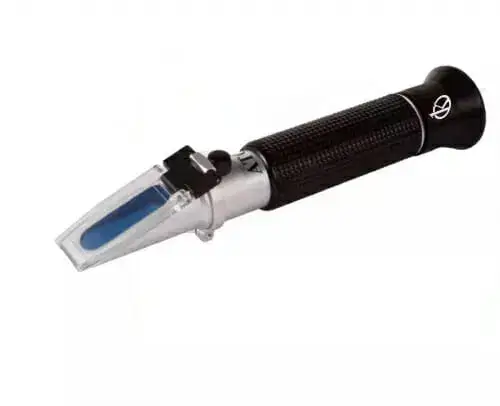
Ensuring ISO/IEC Compliance in Automotive Laboratories: A Focus on Car Refractometers
In the realm of automotive laboratories, compliance with ISO/IEC standards is paramount for ensuring that testing equipment meets industry regulations and safety requirements. Car refractometers play a critical role in assessing the quality of automotive fluids, notably antifreeze and windshield washer solutions. This article delves into the various models of car refractometers available, their compliance with ISO/IEC standards, and how they empower laboratories to maintain regulatory integrity.
Understanding ISO/IEC Standards in Automotive Testing
The ISO/IEC standards cover a wide array of requirements that laboratories must meet to ensure accurate and reliable testing. Key standards applicable to automotive laboratories include ISO 17025, which specifies the general requirements for the competence of testing and calibration laboratories, and ISO 15189, which is specific for medical laboratories but has applications in ensuring quality in automotive fluid testing.
Compliance with these standards not only ensures product quality but also enhances laboratory credibility among customers and regulatory bodies. Utilizing compliant equipment like car refractometers is crucial in achieving these standards.
Key ISO/IEC Standards Relevant to Car Refractometers
When focusing on car refractometers, several specific clauses from ISO/IEC standards come into play:
- ISO 17025: This standard emphasizes the importance of having documented procedures for calibration and maintenance of testing equipment, which applies to refractometers.
- ISO 15189: Although primarily for medical labs, it emphasizes the importance of quality assurance in testing processes, applicable to all types of fluid analysis.
- IEC 61010: This standard pertains to safety requirements for electrical equipment used in measurement, control, and laboratory use, crucial for the operation of electronic refractometers.
Overview of Car Refractometer Models
In the market, several car refractometers provide different features and specifications that support compliance with ISO/IEC standards. Below is an overview of notable models:
Comparison of Available Models
| Model | ISO/IEC Clauses Covered | Traceability Features | Best For |
|---|---|---|---|
| YR05916 | ISO 17025 | Automatic temperature compensation | Testing antifreeze concentrations |
| YR05917 | ISO 17025 | Automatic temperature compensation | Windshield washer fluid analysis |
| YR05918 | ISO 17025 | Temperature calibration | Measuring concentration of propylene glycol |
| YR05919 | ISO 17025 | Automatic temperature adjustment | General automotive fluid testing |
| YR05920 | ISO 17025 | Temperature compensation | High performance antifreeze analysis |
| YR05921 | ISO 17025 | Calibration methods | Multi-purpose fluid testing |
Calibration and Maintenance: Ensuring Compliance
Calibration and regular maintenance are critical to maintaining compliance with ISO/IEC standards. Laboratories should establish a schedule that includes:
- Daily Checks: Conduct initial calibration checks to ensure accuracy in measurements before usage.
- Monthly Maintenance: Regular cleaning and replacement of parts when necessary to prevent inaccuracies.
- Annual Calibration: A comprehensive calibration with traceable standards to ensure ongoing compliance with ISO 17025.
Documenting Compliance and Traceability
Documentation is a key aspect of compliance. Maintaining records of calibration, maintenance, and results is essential. Documentation practices should include:
- Documenting calibration results and procedures for each model, e.g., YR05916, noting any discrepancies or adjustments made.
- Keeping maintenance logs that detail each service performed on the car refractometers.
- Utilizing a quality management system that tracks compliance with relevant standards.
Common Mistakes and How to Avoid Them
In the pursuit of ISO/IEC compliance, laboratories may encounter several pitfalls. Here are common mistakes and how to sidestep them:
- Neglecting Calibration: Ensure that all refractometers are calibrated regularly. Set reminders for periodic checks.
- Lack of Documentation: Maintain thorough records of all tests, calibrations, and maintenance activities.
- Overlooking Training: Staff training on the correct usage and maintenance of the refractometers is crucial to avoid errors.
Benefits of Compliance for Automotive Laboratories
Implementing ISO/IEC compliance practices using car refractometers brings several advantages:
- Enhanced Accuracy: Compliance ensures that testing is precise, which is critical for automotive safety.
- Increased Trust: Regulatory compliance builds trust with customers and regulatory bodies.
- Market Advantage: Labs that demonstrate compliance can leverage it as a competitive advantage.
Frequently Asked Questions
How does the YR05916 car refractometer ensure compliance with ISO 17025?
The YR05916 car refractometer is designed with automatic temperature compensation, which is crucial for accurate measurements under varying conditions, thus aligning with ISO 17025 requirements.
What are the key features of the YR05918 model for automotive fluid testing?
The YR05918 model offers a measurement range suitable for propylene glycol testing and includes temperature calibration features, aiding compliance with relevant ISO/IEC standards.
Which ISO clauses do the YR05917 car refractometers fulfill?
The YR05917 complies with ISO 17025 by providing automatic temperature adjustment features, crucial for ensuring accurate fluid measurements in automotive applications.
How often should car refractometers be calibrated to maintain ISO compliance?
For ISO compliance, it is recommended to perform calibration on car refractometers like the YR05916 at least annually, with daily checks before use to ensure accuracy.
What documentation is required for ISO 17025 compliance in automotive labs?
Documentation for compliance with ISO 17025 should include calibration logs for each car refractometer, maintenance records, and test results, ensuring traceability and accountability.
How does the YR05920 refractometer help in achieving compliance with IEC standards?
The YR05920 refractometer meets IEC safety standards through its robust construction and automatic temperature compensation features, ensuring safe and accurate measurements.
What common mistakes should laboratories avoid regarding ISO compliance?
Laboratories should avoid neglecting calibration schedules, lack of documentation, and insufficient staff training on the operation and maintenance of car refractometers.
What advantages does ISO 17025 compliance offer to automotive laboratories?
ISO 17025 compliance enhances accuracy, increases trust with clients and regulatory bodies, and provides a competitive edge in the automotive testing market.
If you are looking for a fusion of innovation and quality, you have come to the right place. At Kalstein, we offer you the luxury of exploring our exclusive catalog of laboratory equipment. We manufacture every device to the highest standards of excellence. Our intuitive and seamless online purchasing channels are designed for your convenience, securing the most competitive prices. Hesitate no longer — we bring science to life, it is time to become part of our community.