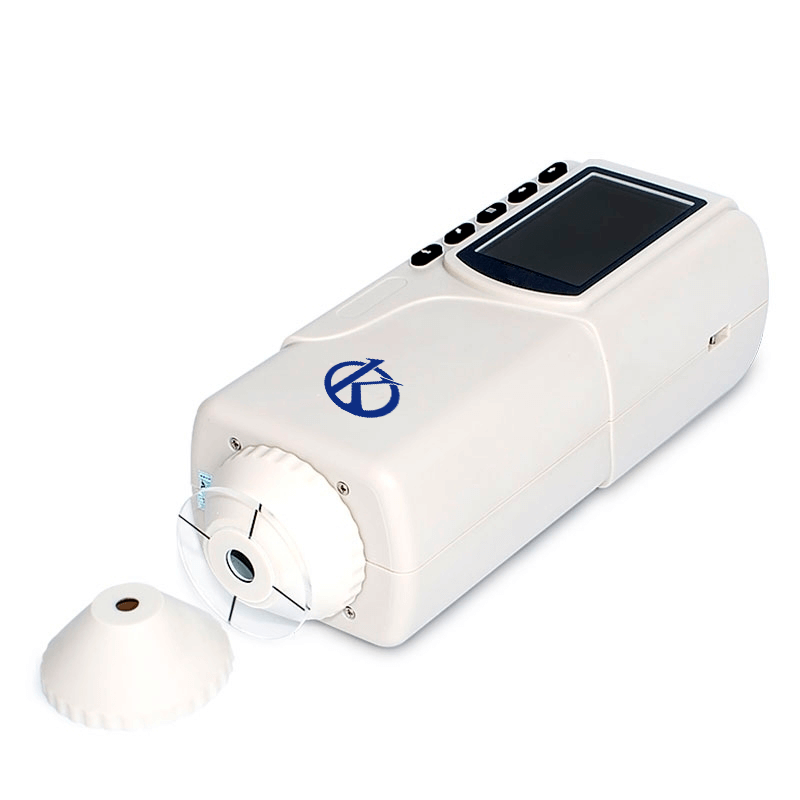
Interpreting Results and Reading Measurements with the YR05510 Colorimeter
The YR05510 Colorimeter is a precision instrument designed for accurate color measurement and analysis. Understanding how to interpret its results and read measurements is crucial for ensuring reliable data in various applications, such as clinical labs, industrial sectors, and scientific research.
Understanding the Basics of Color Measurement
Color measurement is a scientific process that quantifies the perception of color using various models. The YR05510 operates primarily on the CIE LAB color space, which provides a way to define colors based on human vision. It utilizes parameters such as 'L' for lightness, 'a' for green-red, and 'b' for blue-yellow to give precise readings.
The CIE LAB model is essential in colorimetric applications as it allows for the calculation of color differences using the Delta E formula, crucial for quality control in industries like textiles and paints. When interpreting results from the YR05510, it is important to understand how these parameters interact and affect the overall color impression.
Technical Specifications of the YR05510 Colorimeter
| Specification | Detail |
|---|---|
| Model | YR05510 |
| Illumination/View Geometry | 45°/0° |
| Measurement Aperture | Φ20mm |
| Special Function | Especially suitable for testing surface stripes and wet products. |
| Color Space | CIEL*a*b*C*h*; CIEL*a*b*; CIEXYZ |
| Color Difference Formula | △E*ab; △L*a*b*; △E*C*h* |
| Weight | 500g |
| Power Source | Rechargeable Lithium-ion battery 3.7V 3200 mAh |
Interpreting Measurement Results
The display of the YR05510 presents results in a straightforward format, showing values for 'L', 'a', and 'b'. To effectively interpret these results, users should be familiar with the clusters of color coordinates that indicate various color tones.
It's important to establish a reference point or standard when comparing results. For example, in quality control processes, establishing a baseline color allows for the calculation of Delta E, which quantifies the difference between the measured color and the standard. Values below 1.0 are generally considered imperceptible to the human eye, while values above 3.0 indicate a substantial difference.
Common Misinterpretations in Color Measurement
Interpreting color measurements can lead to misinterpretations if users are not careful. One common mistake is assuming that the L value alone describes the color's lightness without considering the a and b values. Another issue arises from lighting conditions; the YR05510 requires consistent lighting to ensure accurate readings.
To avoid these pitfalls, always conduct measurements under the same conditions, and consider using the built-in white plate parameters of the YR05510 to ensure calibration before reading samples.
Examples of Color Measurement Interpretations
Consider a scenario where you are measuring a sample for quality control in paint production. If the standard color reads L=50, a=20, b=10, and your sample reads L=48, a=22, b=8, the calculated Delta E would provide a quantitative assessment of the color difference.
By applying the Delta E formula, users can determine whether the sample meets quality standards or if adjustments are needed. Providing these calculations will enhance data quality and facilitate better decision-making in production processes.
Frequently Asked Questions
What is the CIE LAB color space used in the YR05510?
The CIE LAB color space is a model that describes colors in a way that aligns with human vision. It defines colors based on three axes: lightness ('L'), and the green-red ('a') and blue-yellow ('b') components. This model allows for accurate color difference calculations, making it essential for applications involving color measurement.
How does the YR05510 handle different types of samples?
The YR05510 is equipped with dual apertures, specifically a flat opening of Φ8 mm and a pointed opening of Φ4 mm. This design facilitates the measurement of both flat and concave samples, allowing for versatility in various applications such as plastics, textiles, and coatings.
What common issues may arise when using the YR05510?
Common issues include inaccurate readings due to improper calibration, variations in environmental lighting, and incorrect sample handling. It is crucial to follow standard operating procedures for calibration and sample preparation to mitigate these risks.
What is the importance of Delta E in color measurement?
Delta E quantifies the perceived difference between two colors. A lower Delta E value indicates a smaller difference, which is often crucial in quality control processes to ensure consistency across batches of products.
How can I ensure accurate readings with the YR05510?
To ensure accuracy, always calibrate the device before use, maintain consistent lighting conditions during measurements, and use the provided white plate parameters for reference. Regular maintenance and following manufacturer guidelines will also enhance reliability.
Can the YR05510 be used in different industries?
Yes, the YR05510 is versatile and can be used in various sectors, including clinical laboratories, food production, textile manufacturing, and scientific research. Its design allows it to meet the specific needs of each industry, providing accurate and reliable measurements.
How do I interpret the results on the YR05510 display?
The results on the YR05510 display will show values for L, a, and b. Understanding these values involves knowing that 'L' represents the lightness, while 'a' and 'b' indicate color components. Users should compare these values against standards to assess color accuracy and determine necessary adjustments.
If you are looking for a fusion of innovation and quality, you have come to the right place. At Kalstein, we offer you the luxury of exploring our exclusive catalog of laboratory equipment. We manufacture every device to the highest standards of excellence. Our intuitive and seamless online purchasing channels are designed for your convenience, securing the most competitive prices. Hesitate no longer — we bring science to life, it is time to become part of our community.