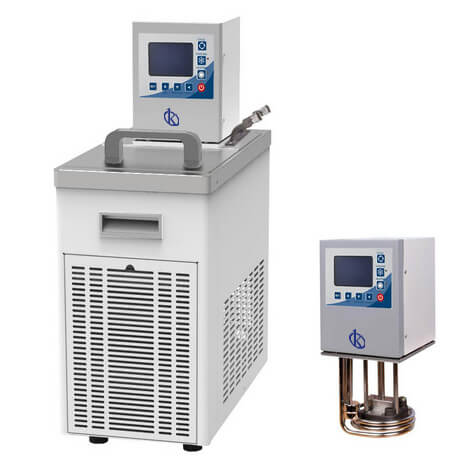
Interpreting Results and Reading Measurements with the YR04992 Circulating Bathroom Cooling and Heating System
The YR04992 circulating bathroom cooling and heating system is designed to provide a stable liquid environment at constant temperatures ranging from -10 °C to 100 °C. This flexibility makes it ideal for a variety of applications, including electronic component testing, chemical synthesis, and life sciences experiments. Understanding how to effectively interpret the results and read measurements is crucial for optimizing performance and ensuring reliable outcomes in experimental settings.
Technical Specifications of the YR04992
| Model | Temperature Range (°C) | Stability (°C) | Flow Rate (L/min) | Lift (m) | Capacity (L) | Opening (mm) | Depth (mm) | Product Size (WxDxH) |
|---|---|---|---|---|---|---|---|---|
| YR04992 | -10 ~ 100 | ±0.05 | 20 | 12 | 10 | 210 x 210 | 180 | 500 x 400 x 820 |
Understanding the Output Measurements
The YR04992 circulator provides precise readings essential for various laboratory tasks. Temperature stability plays a significant role in ensuring that measurements are accurate and reliable. It is critical to understand how to interpret the readings displayed on the device accurately. The temperature readings reflect the environment's thermal state, while flow rate readings indicate the efficiency of circulation within the system.
When examining output measurements, operators should familiarize themselves with the units of measurement. For instance, temperature is measured in degrees Celsius (°C), while flow is expressed in liters per minute (L/min). Each of these measurements serves a unique purpose in understanding the operational capabilities of the YR04992.
Common Misinterpretations of Results
Operators may sometimes misinterpret results due to various factors. One common error is assuming that fluctuations in temperature readings indicate a malfunction when they may simply result from environmental changes. Thus, it is essential to consider external factors that could influence measurements, such as ambient temperature and humidity.
Another misinterpretation occurs with flow rate readings. Users might misread the flow rate as a constant value when, in fact, it can vary based on the system's workload and the viscosity of the liquid being circulated. Understanding these nuances is vital for accurate data interpretation.
Best Practices for Accurate Measurement Interpretation
To ensure accurate interpretation of results, operators should adhere to best practices. Regular calibration of the YR04992 is essential to maintain its accuracy. Calibration helps to adjust the readings to reflect true values based on standardized measurements.
Moreover, it is advisable to record measurements consistently over time. This practice allows operators to identify trends, spot anomalies, and ensure the reliability of the data collected. Additionally, performing routine maintenance checks on the equipment will help in minimizing errors due to mechanical failures.
Factors Influencing Measurement Accuracy
Several factors can influence the accuracy of measurements obtained from the YR04992. These include:
- Environmental Conditions: Ambient temperature and humidity levels can affect the readings. It’s crucial to operate the equipment within specified environmental conditions.
- Sample Characteristics: The physical properties of the samples being tested (such as viscosity and density) can impact flow rate measurements.
- Calibration of Instrument: Regular calibration is necessary to ensure that the equipment generates precise readings.
Interpreting Error Codes Related to the YR04992
The YR04992 may display error codes when it encounters issues that affect performance. Understanding these error codes allows operators to troubleshoot effectively. Common error codes include:
- E-01: Overheating detected. Check the heating element and ensure proper cooling.
- E-02: Low water level. Verify that the water level is adequate in the tank.
- E-03: Flow obstruction. Inspect the hoses for kinks or blockages.
Frequently Asked Questions
What is the maximum temperature range for the YR04992?
The YR04992 can operate within a temperature range of -10 °C to 100 °C, providing versatility for various applications.
How can I ensure accurate measurements with the YR04992?
To ensure accuracy, regular calibration, consistent recording of measurements, and routine maintenance checks are recommended.
What should I do if I receive an error code on the YR04992?
Refer to the user manual to understand the error codes and their meanings. Typically, troubleshooting involves checking components related to the specific error.
How does the flow rate affect the performance of the YR04992?
The flow rate is crucial as it affects the efficiency of the heat transfer process within the system. A stable flow rate ensures consistent temperature maintenance.
What types of experiments can benefit from using the YR04992?
The YR04992 is suitable for electronic component testing, chemical synthesis, and various life sciences experiments that require precise temperature control.
If you are looking for a fusion of innovation and quality, you have come to the right place. At Kalstein, we offer you the luxury of exploring our exclusive catalog of laboratory equipment. We manufacture every device to the highest standards of excellence. Our intuitive and seamless online purchasing channels are designed for your convenience, securing the most competitive prices. Hesitate no longer — we bring science to life, it is time to become part of our community.