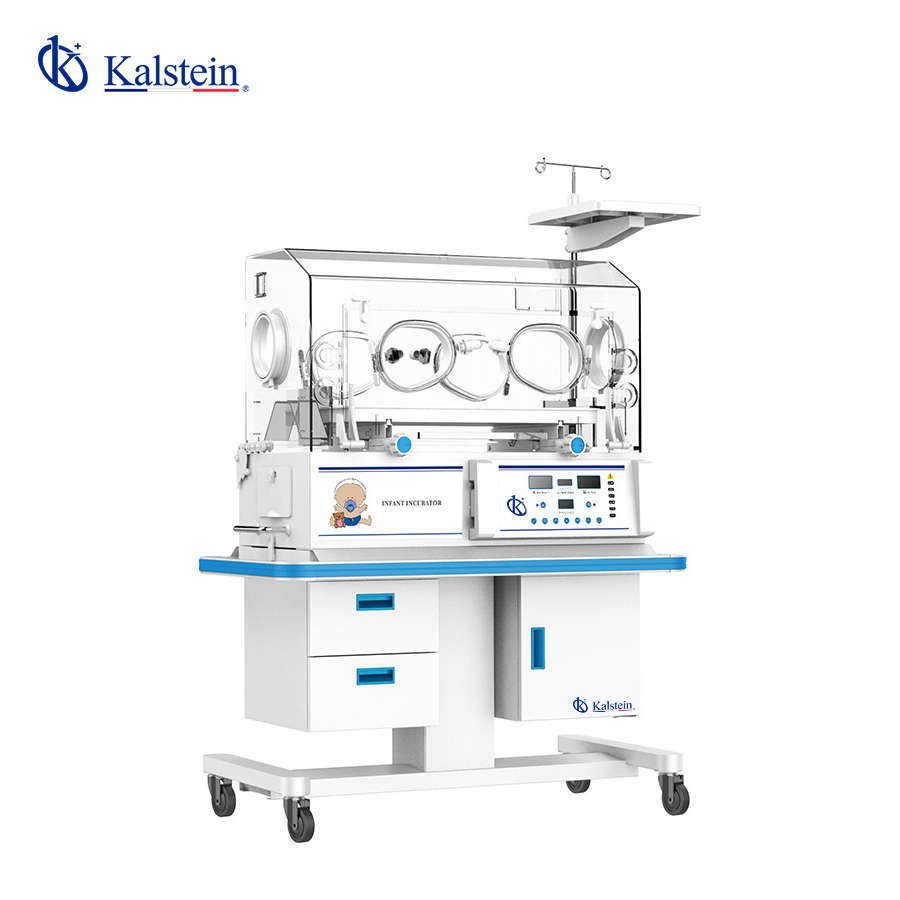
Interpreting Results and Reading Measurements with the YR02184 Phototherapy Incubator
The YR02184 Phototherapy Incubator is not merely an incubator with a phototherapy unit; it represents a sophisticated integration of care for newborns suffering from hyperbilirubinemia. This article delves into the specifics of interpreting results and reading measurements from the YR02184, ensuring that caregivers can provide the best environment for their patients.
Understanding the YR02184's Functionality
The YR02184 is designed to provide an optimal environment for neonates requiring phototherapy. This device not only maintains stable temperature and humidity levels but also allows for continuous adjustment of light intensity during treatment. By understanding how these functionalities work, caregivers can better interpret the measurements displayed on the unit.
Technical Specifications of the YR02184
| Model | YR02184 |
|---|---|
| Temperature Control of Air | Yes |
| Skin Temperature Control | Yes |
| Air Temperature Control at 37 °C | Yes |
| Inclining Cradle | Yes |
| Humidity Display | Yes |
| Humidity Control | Yes |
| Upper Phototherapy Unit | Yes |
| Lower Phototherapy Unit | Yes |
| Side Door | Optional |
| Aluminum Tank for Heat Preservation | Yes |
| Windows and Access Ports | 1 port, 4 windows |
| Cabinet | Yes |
| Adjustable Working Height | Yes |
| Additional Rear Door | Optional |
| Baby Scale Bed | Optional |
| Quiet DC Motor | Optional |
Interpreting Light Intensity Measurements
One of the key features of the YR02184 is its adjustable light intensity for phototherapy. Understanding how to read and interpret these measurements is crucial for effective treatment. The light intensity can be altered based on the patient’s needs and should be closely monitored. Typically, the recommended light intensity for effective treatment ranges between specified values, which can be found in the user manual.
Understanding Temperature and Humidity Readings
The YR02184 provides readings for air temperature, skin temperature, and humidity levels. These readings are essential for ensuring that the infant remains in a stable environment. Caregivers should be familiar with the normal ranges for these parameters:
- Normal air temperature: 36.5 °C to 37.5 °C
- Normal skin temperature: 36.5 °C to 37.5 °C
- Relative humidity: 40% to 70%
Any deviations from these ranges should be addressed immediately to prevent any impact on the infant's health.
Common Misinterpretations and Errors
Caregivers must be vigilant about misinterpretations of measurement readings. For instance, a sudden drop in humidity may not always indicate a malfunction; it could be due to a change in room conditions. Furthermore, caregivers should regularly check calibration settings to ensure all measurements are accurate. A checklist for common errors can help reduce misinterpretation:
- Verify that the device is properly calibrated.
- Check for consistent power supply to the unit.
- Ensure that the incubator is not in direct contact with drafts or heat sources.
Practical Examples of Measurement Interpretation
Let’s consider a scenario where a caregiver observes a skin temperature reading of 37.8 °C. This reading is above the normal range and may require immediate action. The caregiver should adjust the heating settings and monitor the infant closely. Another example could involve humidity levels dropping below 40%, which indicates the need for adjustments to the humidification system.
Frequently Asked Questions
How do I interpret the temperature readings on the YR02184?
The temperature readings on the YR02184 show both air and skin temperatures. To interpret these readings, compare them against the normal ranges: air temperature should be between 36.5 °C and 37.5 °C, while skin temperature should ideally match these values. Any deviations require immediate action.
What are the indicators for adjusting light intensity?
Light intensity should be adjusted based on the infant's bilirubin levels and clinical condition. Regular assessments and consultations with the medical team will help determine the appropriate intensity. Always refer to the device's manual for specific guidelines.
What steps should I take if the humidity levels drop?
If humidity levels drop below 40%, check the humidification system and adjust settings as needed. Ensure that the water tank is filled and that the nebulizing system is functioning properly.
Can I rely solely on the YR02184's alarms for patient monitoring?
While the YR02184 is equipped with audible and visible alarms for various issues, it is not a substitute for continuous monitoring by caregivers. Always assess the infant and environment routinely.
How often should I calibrate the YR02184?
Calibration frequencies are typically outlined in the user manual. Regular checks every few months, or as indicated by use, are recommended to ensure accurate measurements and functionality.
What is the expected lifespan of the YR02184's phototherapy LEDs?
The phototherapy unit's LED lights are designed to last approximately 20,000 hours. Regular monitoring of performance is advisable to ensure effective treatment.
What optional accessories can enhance the YR02184's functionality?
Optional accessories include side doors, dual-wall hoods, and additional phototherapy units. These can provide enhanced functionality and versatility based on specific clinical needs.
If you are looking for a fusion of innovation and quality, you have come to the right place. At Kalstein, we offer you the luxury of exploring our exclusive catalog of laboratory equipment. We manufacture every device to the highest standards of excellence. Our intuitive and seamless online purchasing channels are designed for your convenience, securing the most competitive prices. Hesitate no longer — we bring science to life, it is time to become part of our community.