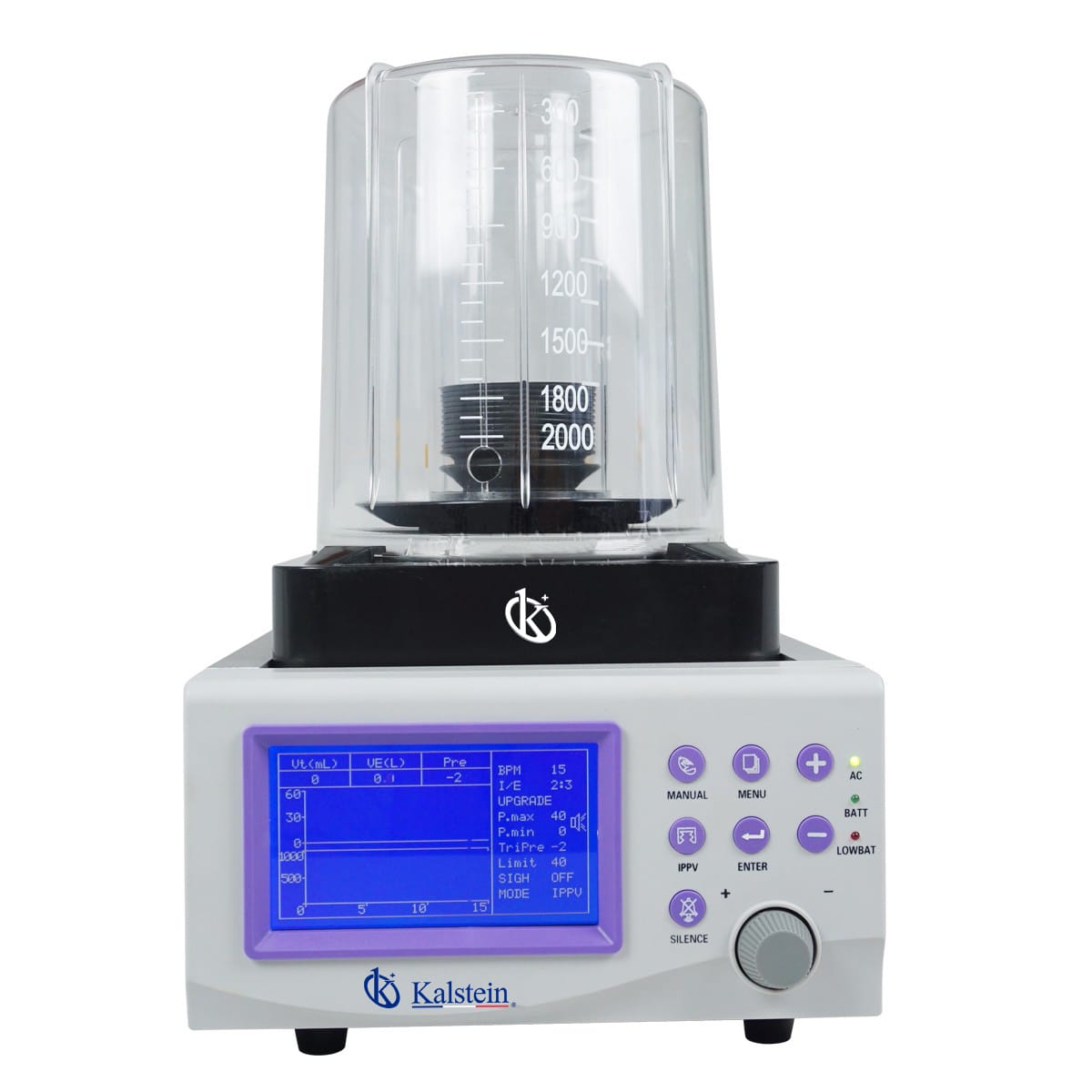
Interpreting Results and Reading Measurements of the YR06102 Veterinary Anesthesia Ventilator
The YR06102 Veterinary Anesthesia Ventilator is a crucial tool in veterinary medicine, designed to assist in the respiratory management of animals unable to ventilate independently. Understanding how to interpret the results and read the measurements accurately is essential for veterinarians and technicians alike. This guide provides comprehensive insights into the operation, parameters, and best practices for utilizing the YR06102 effectively.
Understanding the YR06102 Veterinary Anesthesia Ventilator
The YR06102 offers a range of features that enhance its application in veterinary practice. It is equipped with multiple breathing modes, including IPPV (Intermittent Positive Pressure Ventilation), SIMV (Synchronized Intermittent Mandatory Ventilation), and Manual mode, allowing flexibility based on the patient's needs. The ventilator's screen displays critical parameters, making it easier for practitioners to monitor and adjust settings as required.
Technical Specifications of YR06102
| Specification | Detail |
|---|---|
| Model | YR06102 |
| Respiration Mode | IPPV, SIMV, Manual |
| Display | 5.5' SNT screen |
| Waveform | P-t, V-t |
| Tidal Volume | 0.50ml – 1600ml |
| Respiratory Frequency | 1 to 65 BPM |
| I:E Ratio | 8:1 – 1:8 |
| Alarm Parameters | High pressure alarm, Low pressure alarm, O2 source lost alarm, AC power lost alarm |
| High Pressure Alarm Limit | 20 – 60 cmH2O |
| Low Pressure Alarm Limit | 0 – 20 cmH2O |
| Monitor Parameters | Tidal volume, MV, Ppeak, PEEP, respiratory frequency, I:E ratio |
| Safety Valve Pressure Limit | 6 Kpa |
Key Parameters to Monitor
When using the YR06102, several key parameters must be monitored to ensure optimal performance and patient safety:
- Tidal Volume (VT): This is the volume of air delivered to the patient with each breath. It is essential to set the correct tidal volume based on the animal's weight and condition.
- Minute Ventilation (VM): This is the total volume of air entering the lungs per minute, calculated as the tidal volume multiplied by the respiratory rate. Monitoring VM helps assess the overall ventilatory status.
- Airway Pressure (PA): Keeping track of airway pressure is crucial to avoid barotrauma and ensure the ventilator operates within safe limits.
Normal Ranges and Interpretation
Understanding the normal ranges for each parameter is vital for interpreting results correctly:
- Tidal Volume: For small animals, the tidal volume should typically range from 10-15 ml/kg body weight. Adjustments may be necessary based on the patient's specific needs.
- Respiratory Rate: Normal respiratory rates for animals will vary significantly; hence, it's essential to know the baseline values for the specific species being treated.
Common Misinterpretations
Errors in interpreting measurements can occur. Some common pitfalls include:
- Confusing Units: Ensure that all measurements are in compatible units (e.g., cmH2O for pressure, ml for volume) to avoid calculation errors.
- Ignoring Baseline Values: Always compare current readings against established baseline values for the specific animal to provide better context.
Interpreting Waveforms
The YR06102 can display different waveforms, such as pressure-time (P-t) and volume-time (V-t). Understanding these waveforms is critical for evaluating the ventilatory performance:
- Pressure-Time Waveform: Provides information on the airway pressure during ventilation, allowing identification of potential issues such as airway obstruction.
- Volume-Time Waveform: This waveform helps assess how well the ventilator delivers the set tidal volume and can indicate patient compliance.
Frequently Asked Questions
What are the primary functions of the YR06102 ventilator in veterinary medicine?
The YR06102 ventilator assists animals in ventilation and oxygenation during surgical procedures or critical care situations where they cannot breathe independently. It helps maintain lung function while addressing underlying medical issues.
How do I calibrate the YR06102 for first-time use?
Calibration involves following a power-up sequence, checking the display functionality, and ensuring that all alarm settings are correctly configured before operation. Refer to the user manual for detailed instructions.
What should I do if I encounter an error code on the YR06102?
Each error code corresponds to specific issues, such as high or low pressure alarms. Consult the troubleshooting section of the user manual to identify the cause and appropriate corrective action.
How often should I perform maintenance on the YR06102 ventilator?
Regular maintenance is essential for optimal performance. It is recommended to follow a scheduled service every six months, including checking calibrations and updating software if applicable.
Can I use the YR06102 for different animal species, and how do I adjust settings accordingly?
Yes, the YR06102 can be utilized for various species. Adjustments in tidal volume and respiratory rate settings should be made based on the specific physiological requirements of each species.
What parameters should I monitor during anesthesia with the YR06102?
Key parameters include tidal volume, minute ventilation, airway pressure, and the patient's response to ventilation. Continuous monitoring ensures timely intervention if anomalies arise.
If you are looking for a fusion of innovation and quality, you have come to the right place. At Kalstein, we offer you the luxury of exploring our exclusive catalog of laboratory equipment. We manufacture every device to the highest standards of excellence. Our intuitive and seamless online purchasing channels are designed for your convenience, securing the most competitive prices. Hesitate no longer — we bring science to life, it is time to become part of our community.