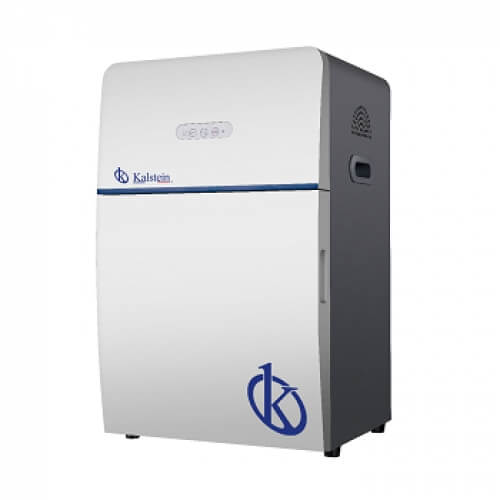
Interpreting Results and Reading Measurements with the YR06069-Op2 Gel System
The YR06069-Op2 Gel System is an advanced tool used in laboratories for various analytical processes, particularly in visualizing and interpreting results from gel electrophoresis. This article delves into how to effectively read measurements and interpret results obtained from the YR06069-Op2, ensuring you maximize its capabilities and accuracy.
Understanding Measurement Units and Interpretation
When working with the YR06069-Op2, it is crucial to understand the various measurement units involved. Commonly used units in gel electrophoresis include base pairs (bp) for DNA fragments and kiloDaltons (kDa) for protein molecular weights. Knowing the standard ranges for these measurements can aid in interpreting results accurately.
For instance, DNA fragments typically range from 100 bp to several kilobases, while proteins can vary significantly in size. Having a reference chart for these values can help in quickly assessing whether the results obtained fall within normal ranges.
Technical Specifications of the YR06069-Op2
| Model | Brand | Category | Price (USD) | Weight (Gross) | Dimensions | Package Size |
|---|---|---|---|---|---|---|
| YR06069-Op2 | Kalstein | Gel Documentation | 432.00 | 0 | x x | 0 x 0 x 0 |
Common Misinterpretations of Results
Reading results from the YR06069-Op2 can sometimes lead to misinterpretations. One common error occurs when analyzing faint bands in a gel. Faint bands may be mistaken for contamination or errors during the gel preparation. However, they can also indicate low concentrations of nucleic acids or proteins.
Another misinterpretation involves the size of bands. It is vital to use a molecular weight marker during electrophoresis to accurately gauge the size of the unknown samples. Without proper comparison, one might incorrectly estimate the sizes based on visual judgment alone.
Step-by-Step Process for Reading Gel Results
To ensure accurate interpretation of results, follow a structured approach when reading gels produced by the YR06069-Op2:
- Preparation: Ensure the gel is run correctly and that the electrophoresis has completed as per the standard protocols.
- Visualization: Use the appropriate imaging settings on the YR06069-Op2 to capture the gel image. Adjust brightness and contrast for clarity.
- Analysis: Compare the gel image with a molecular weight ladder to determine the sizes of the bands accurately.
- Documentation: Record the results diligently, noting any anomalies or unexpected findings.
Advanced Features of the YR06069-Op2 for Accurate Measurements
The YR06069-Op2 comes equipped with advanced features that enhance the accuracy of measurements. These include:
- Automated Imaging: The automated imaging capabilities allow for consistent capture of results.
- Data Analysis Software: Use the integrated software for quantitative analysis, which reduces human error in interpretation.
- Standardization Protocols: Built-in protocols that ensure consistent results across different runs.
Environmental and Operational Conditions for Optimal Use
To achieve the best results from the YR06069-Op2, it's important to operate under optimal conditions. This includes maintaining appropriate temperature ranges, humidity levels, and ensuring that the device is not exposed to excessive vibration or electromagnetic interference.
Here is a checklist for site preparation:
| Condition | Optimal Range |
|---|---|
| Temperature | 20-25°C |
| Humidity | 30-50% |
| Vibration | Minimal |
| EMI | Avoid high sources |
Frequently Asked Questions
How can I ensure accurate measurements with the YR06069-Op2?
To ensure accurate measurements, follow the standard operational procedures strictly, use appropriate controls, and regularly calibrate the device as recommended by the manufacturer.
What common errors should I be aware of when interpreting gel results?
Common errors include misjudging band intensity, failing to use molecular weight markers, and incorrectly recording results due to poor imaging techniques.
What are the normal ranges for the measurements obtained from the YR06069-Op2?
Normal ranges vary based on the sample type. For example, DNA fragments should ideally fall within 100 bp to several kilobases, while protein sizes can vary significantly depending on the source.
How do I analyze faint bands on the gel?
Faint bands may indicate low concentrations of the target molecules. Consider re-running the gel with more sample material or adjusting the electrophoresis time to enhance visibility.
What features of YR06069-Op2 assist in accurate interpretation?
The YR06069-Op2 features automated imaging, advanced data analysis software, and standardized protocols that significantly reduce the chances of human error in measurements and interpretations.
Can I use the YR06069-Op2 for various types of samples?
Yes, the YR06069-Op2 is designed to handle a wide range of samples, including DNA, RNA, and proteins, making it versatile for different laboratory applications.
Conclusion and Call to Action
If you are looking for a fusion of innovation and quality, you have come to the right place. At Kalstein, we offer you the luxury of exploring our exclusive catalog of laboratory equipment. We manufacture every device to the highest standards of excellence. Our intuitive and seamless online purchasing channels are designed for your convenience, securing the most competitive prices. Hesitate no longer — we bring science to life, it is time to become part of our community.