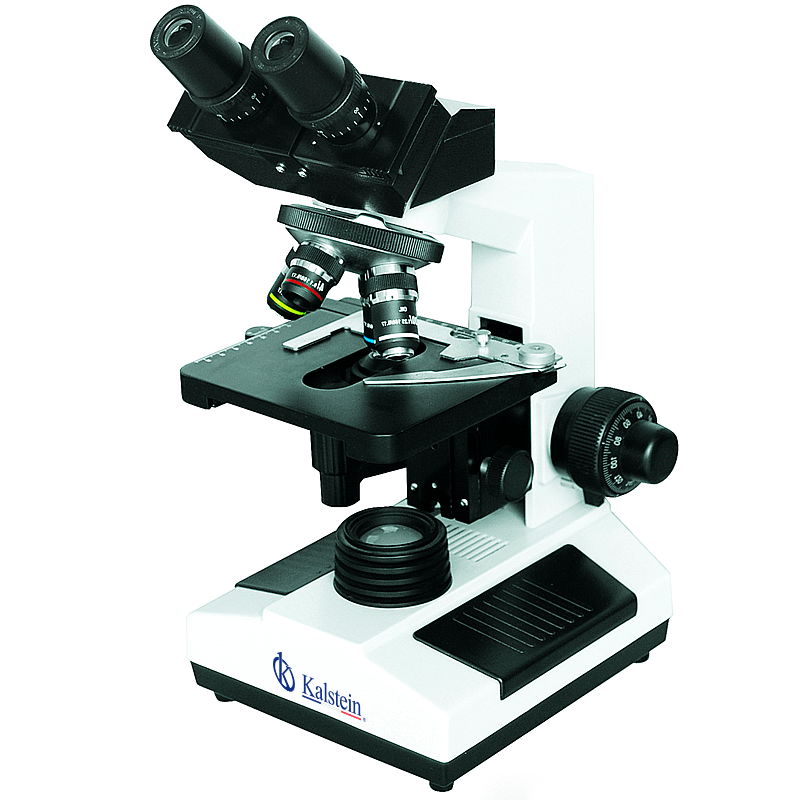
Interpreting Results and Reading Measurements with the YR0242-1 Biological Microscope
The YR0242-1 Biological Microscope is a powerful tool designed for students and professionals alike. Understanding how to interpret results and read measurements accurately is crucial in maximizing the benefits of this instrument. This article provides a deep dive into the authoritative use of the YR0242-1, focusing on the practical aspects of measurement interpretation and reading techniques.
Technical Overview of the YR0242-1 Microscope
| Specification | Details |
|---|---|
| Model | YR0242-1 |
| Magnification | 40x~1000x |
| Head | Sliding binocular head, inclined at 45° |
| Eyepiece | Wide field WF10x/18mm |
| Objective | Achromatic 4x/0.10, 10x/0.25, 40x/0.65, 100x/1.25 (oil) |
| Stage | Double-layer mechanical stage, 140x140 mm, movement range 50x75 mm |
| Focus | Coaxial coarse and fine focus, fine focus scale 0.002 mm |
| Condenser | NA1.25 Abbe condenser with iris diaphragm and filter holder |
Understanding Measurement Units and Ranges
Measurement accuracy is essential when using the YR0242-1 Biological Microscope. The most common unit of measurement in microscopy is the micrometer (µm). This article explains how to read measurements in the context of biological samples and the significance of different magnification levels.
For example, at 40x magnification, the field of view allows you to see larger organisms such as protozoa clearly, while at 1000x magnification, cellular components such as organelles become visible. Understanding the implications of these magnifications helps in accurately interpreting biological data.
Common Misinterpretations and How to Avoid Them
When working with the YR0242-1, users may encounter common misinterpretations of results. For instance, distinguishing between true features and artifacts can be challenging. Artifacts may arise from dust on the lens, improper slides, or incorrect illumination settings, leading to erroneous conclusions.
A crucial practice is to maintain clean optics and to familiarize oneself with known artifacts. Regular training and practice in using the microscope will enhance the user’s ability to interpret results accurately.
Practical Applications in Laboratories
The YR0242-1 is versatile and can be utilized in various laboratory settings, including educational institutions, research facilities, and clinical environments. Each application has unique requirements for interpreting results. For instance:
- Clinical Labs: Typically require accurate cell counts and identification of pathogens.
- Educational Settings: Focus on teaching students the basics of microscopy and biological structures.
- Research Labs: Emphasize high-precision measurements and detailed observations.
Troubleshooting Measurement Issues
Occasionally, users may face issues where the measurements appear inconsistent or unclear. Below is a table outlining common symptoms, their probable causes, and solutions:
| Symptom | Probable Cause | Solution |
|---|---|---|
| Blurry images | Dirty lenses | Clean the eyepiece and objective lenses. |
| Inconsistent readings | Improper calibration | Recalibrate the microscope according to the manufacturer's instructions. |
| Field of view is not centered | Misalignment of optical components | Check and adjust the alignment of the eyepiece and objective lenses. |
Optional Accessories for Enhanced Measurement Capabilities
The YR0242-1 has several optional accessories that can improve measurement capabilities, such as specialized filters for enhancing contrast or additional eyepieces for different magnifications. Users should consider these options based on their specific application needs.
- Wide field eyepiece options
- Filters (Blue, Yellow, Green)
- Advanced condenser systems
Frequently Asked Questions
What types of measurements can be taken with the YR0242-1 microscope?
The YR0242-1 microscope allows users to perform detailed cell measurements, examine biological structures, and analyze various organisms at different magnification levels.
How can I improve the accuracy of my measurements?
To enhance accuracy, ensure that the microscope is calibrated correctly, clean the optical components regularly, and practice proper techniques for focusing and positioning samples.
What are common mistakes when interpreting results from the YR0242-1?
Common mistakes include confusing artifacts with actual findings, misreading the scale on measurements, and not accounting for the effects of different magnifications.
Can the YR0242-1 be used for different types of samples?
Yes, the YR0242-1 is designed to handle a variety of biological samples, but the user must adjust settings and choose appropriate objective lenses based on the sample type.
What maintenance is required for optimal performance of the YR0242-1?
Regular cleaning of lenses, calibration checks, and ensuring that mechanical parts are functioning smoothly are essential for maintaining optimal performance.
How does the choice of objective lenses affect measurement precision?
Different objective lenses have varied numerical apertures and magnifications, affecting the detail and precision of measurements. Selecting the correct lens for the specific observation is crucial.
If you are looking for a fusion of innovation and quality, you have come to the right place. At Kalstein, we offer you the luxury of exploring our exclusive catalog of laboratory equipment. We manufacture every device to the highest standards of excellence. Our intuitive and seamless online purchasing channels are designed for your convenience, securing the most competitive prices. Hesitate no longer — we bring science to life, it is time to become part of our community.