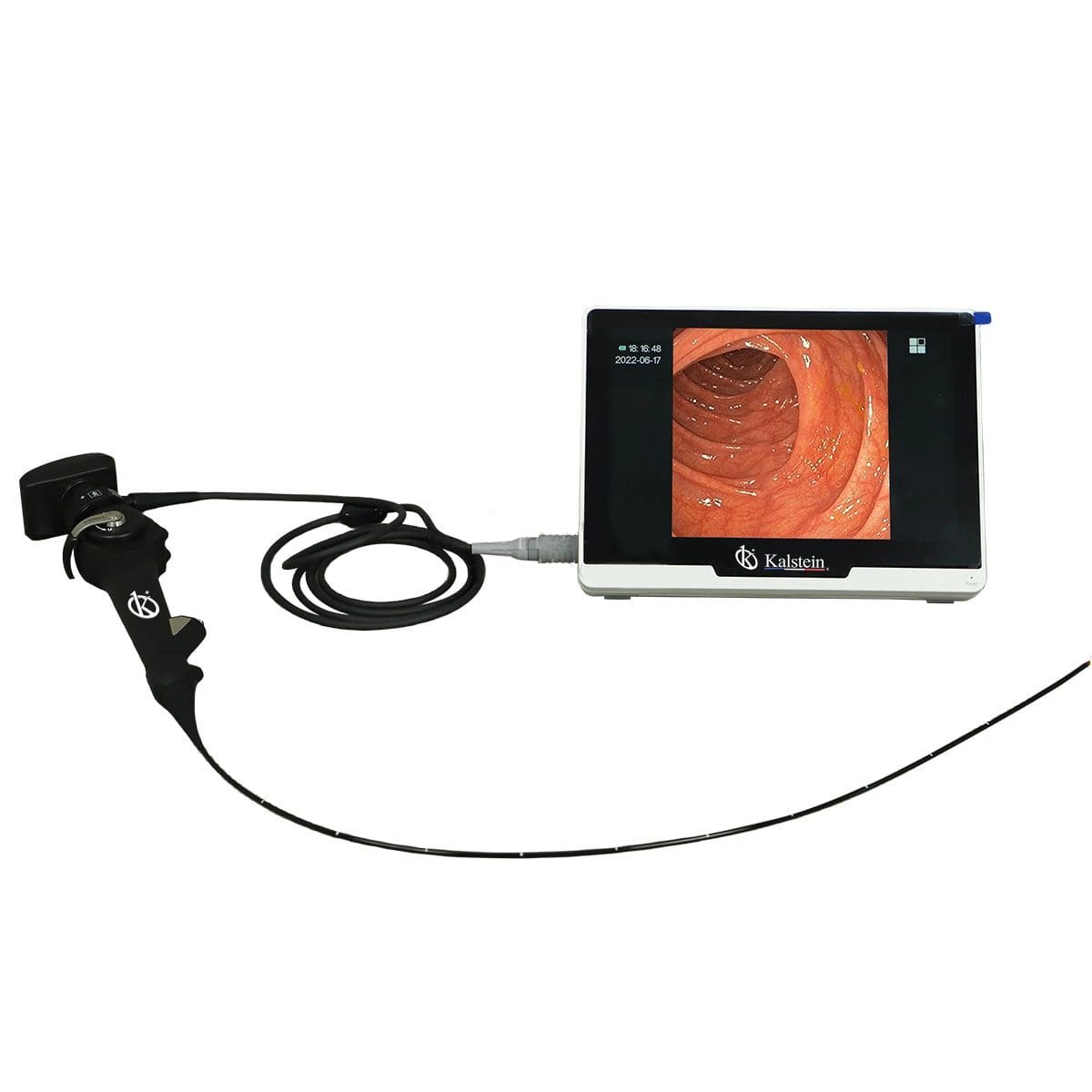
Interpreting Results and Measuring Readings with the YR06151 Portable Veterinary Video Endoscope
The YR06151 Portable Veterinary Video Endoscope is a state-of-the-art device designed for veterinary applications, providing high-resolution images and real-time viewing capabilities. Understanding how to interpret the results and measurements obtained from this device is crucial for veterinarians to make informed decisions regarding animal health.
Understanding the YR06151 Endoscope Features
The YR06151 features a high-resolution CMOS sensor that delivers clear images, essential for accurate diagnosis. The LED light source ensures bright illumination, allowing for thorough inspection in various environments. This section will delve into the significant characteristics that impact measurement interpretation.
High-Resolution CMOS Sensor
The CMOS sensor in the YR06151 offers a resolution that is critical for capturing detailed visuals. This resolution helps in identifying subtle abnormalities during examinations, thus enhancing diagnostic accuracy. The clarity of the images allows for better interpretation of the results, reducing the likelihood of misdiagnosis.
Real-Time Viewing
Real-time viewing with virtually no delay ensures that veterinarians can monitor the procedure live, adjusting angles and focus as needed for optimal results. It is important to understand how the immediacy of these visuals affects decision-making during examinations.
Technical Specifications of the YR06151
| Model | Diameter of Insertion Tube | Working Channel | Working Length | View Angle | View Depth | Range of Bending | Screen Size |
|---|---|---|---|---|---|---|---|
| YR06151 | 2.8 mm | 1.2 mm | 610 mm | 120° | 3-200 mm | 210° (Up), 130° (Down), 120° (Right), 120° (Left) | 10 inches |
Interpreting Measurement Results
Interpreting the results from the YR06151 involves understanding the output and visuals generated during examinations. Measurement units and ranges are essential for accurate diagnosis.
Measurement Units
The YR06151 typically provides measurements in millimeters (mm) for depth and angle. Understanding these units is key to evaluating the condition being assessed. For instance, knowing the normal ranges allows veterinarians to identify abnormalities effectively.
Common Misinterpretations
Veterinarians must be aware of common misinterpretations that can arise from reading the results. For example, mistakes can occur if the depth measurement is misunderstood—knowing that a depth of 3-200 mm is a standard range can prevent misdiagnosis.
Best Practices for Reading the Display Output
The YR06151 features a user-friendly display that should be utilized effectively to extract meaningful data. This section covers the best practices in reading and interpreting display outputs.
Familiarization with Display Features
Veterinarians should familiarize themselves with all display features, such as zoom, freeze, and the measurement readouts. Understanding how to manipulate these features enhances the ability to take accurate readings.
Contextual Analysis of Visuals
When analyzing the visuals shown on the screen, context plays a crucial role. Comparing images with known normal anatomy helps in making accurate interpretations. It's essential to have a reference guide to ensure proper analysis.
Common Measurement Errors and Troubleshooting
Measurement errors can arise during the use of the YR06151. Identifying these errors and their causes is essential for maintaining accuracy.
Symptoms of Measurement Errors
Common symptoms indicating measurement errors include inconsistent depth readings or unclear visuals. Being able to diagnose these symptoms allows veterinarians to troubleshoot effectively.
Diagnostic Steps for Errors
When faced with measurement errors, veterinarians should follow a systematic approach to identify the issue. This can include checking the connections, ensuring the device is calibrated, and reviewing the handling techniques employed during the examination.
Frequently Asked Questions
What types of procedures can the YR06151 be used for?
The YR06151 can be utilized for various veterinary applications including bronchoscopy, rhinoscopy, and examinations of the urethra and bladder, making it versatile for diagnostics.
How does the LED light source enhance functionality?
The durable LED light source provides consistent and bright illumination, essential for clear visualization in different environments, enhancing the quality of the examinations conducted.
What should I do if the images appear unclear?
If the images appear unclear, check the lens for dirt or obstructions, ensure proper positioning of the endoscope, and verify that the light source is functioning correctly.
Are there specific maintenance requirements for the YR06151?
Yes, regular cleaning of the insertion tube and inspection of the light source and CMOS sensor are essential for maintaining optimal performance and ensuring accurate readings.
How can I interpret the results from the depth measurements?
Depth measurements are shown in millimeters and should be interpreted in the context of normal ranges. Familiarity with anatomical structures assists in accurately translating these measurements into clinical assessments.
What are the common accessories needed for the YR06151?
Common accessories for the YR06151 include cleaning brushes for the insertion tube, replacement light sources, and protective covers for the camera lens.
Where can I request a quote for the YR06151?
You can request a quote for the YR06151 Portable Veterinary Video Endoscope through our dedicated channels available for easy access.
If you are looking for a fusion of innovation and quality, you have come to the right place. At Kalstein, we offer you the luxury of exploring our exclusive catalog of laboratory equipment. We manufacture every device to the highest standards of excellence. Our intuitive and seamless online purchasing channels are designed for your convenience, securing the most competitive prices. Hesitate no longer — we bring science to life, it is time to become part of our community.