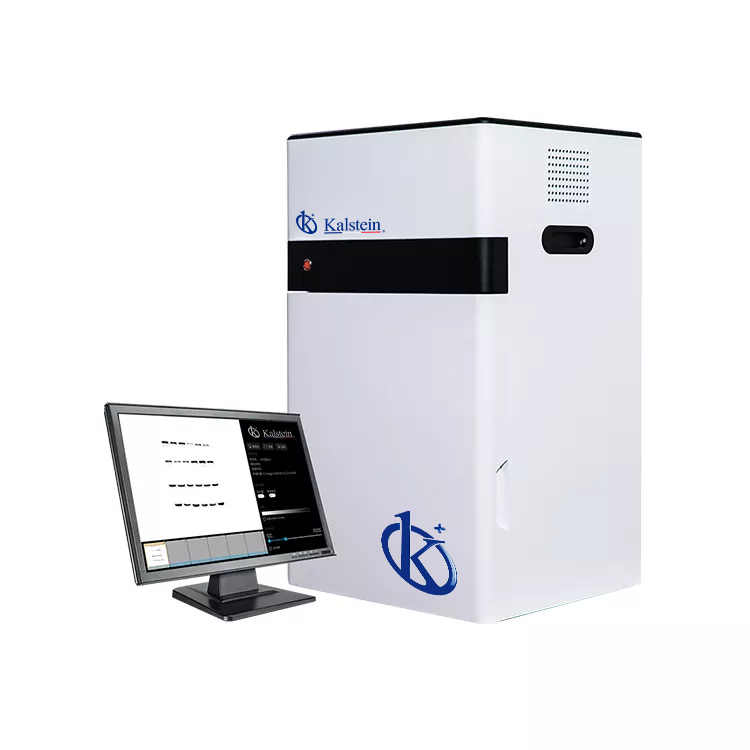
Interpreting Results and Measurement Readings with the YR06212 Multifunctional Imager
The YR06212 Multifunctional Imager is an advanced laboratory device that enhances the accuracy of readings in fluorescence and chemiluminescence detection. This article delves into the interpretation of results and measurement readings, providing a comprehensive guide tailored to the specific capabilities of the YR06212. Understanding how to read and interpret data from this imager is crucial for effective laboratory work, ensuring that users can harness its full potential.
Technical Specifications of the YR06212
| Specification | Details |
|---|---|
| Model | YR06212 |
| Application | Chemiluminescence Imaging, ECL Western Blotting, Fluorescence Imaging |
| Sensor | Back illuminated SCMOS Sensor |
| Resolution | 9.0 Megapixels |
| Pixel Size | 3.76 × 3.76 μm |
| Temperature Regulation | -30 ℃ regulated |
| Dynamic Range | 4.8 OD |
| Pixel Density | 16 bits (65536 Grey scales) |
| Lens | F0.95 as standard (optional F0.8) Auto Focus |
| Software | SHST Capture and Analysis Software for unlimited number of users |
Understanding Measurement Units and Normal Ranges
The YR06212 uses specific measurement units that are essential for interpreting results correctly. For fluorescence imaging, results are typically expressed in Relative Fluorescence Units (RFUs), while chemiluminescence imaging results may be reported in luminescence units. Understanding these units is crucial as they provide insights into the concentration of the target analyte.
Normal ranges for RFUs can vary significantly depending on the assay being performed. For instance, in ECL Western blotting, a normal range might be established based on control samples. It's vital to familiarize yourself with these benchmarks to accurately evaluate your results.
Interpreting Display Outputs and Graphs
The YR06212 features an intuitive display that presents measurement results in a clear format. Users can expect to see graphs that plot RFUs against time or different sample conditions. Understanding these curves is essential; peaks in the graph indicate higher concentrations of the analyte, while valleys suggest lower levels.
Moreover, error bars commonly displayed alongside data points indicate variability in results. Learning how to read these graphs can help in identifying trends, anomalies, or consistency in experimental data.
Common Misinterpretations and How to Avoid Them
Many users may misinterpret results due to various factors such as background noise, incorrect calibration, or misreading data outputs. For example, a high RFU reading might be misconstrued as a positive result when it could be a product of background fluorescence. To avoid such pitfalls, ensure that your controls are well established and that each assay is performed under consistent conditions.
Another common error is neglecting to account for dilution factors when interpreting results. If a sample was diluted prior to analysis, you must remember to adjust the final reading accordingly to reflect the actual concentration in the original sample.
Worked Examples for Accurate Interpretation
Let’s consider a scenario where you have performed an ECL Western blot using the YR06212. If your control sample shows a baseline RFU of 100 and your test sample shows 450 RFUs, you can conclude that your test sample has a significantly higher concentration of the target protein. Always calculate the fold increase: in this case, it would be 450/100 = 4.5-fold increase.
In another example, if your readings are inconsistent across replicates, averaging the results might give you a more reliable interpretation. For instance, if you received RFUs of 200, 250, and 300 from three replicates, averaging gives you 250 RFUs, which provides a clearer picture of the sample's behavior.
Frequently Asked Questions
What types of samples can be analyzed using the YR06212?
The YR06212 is versatile and can analyze various sample types, including proteins using ECL Western blotting, DNA using fluorescence imaging, and gel documentation. It’s designed to handle multiple applications efficiently.
How do I calibrate the YR06212 for optimal accuracy?
Calibrating the YR06212 requires running standard controls alongside your experimental samples. Ensure that the calibration settings in the software are tailored for the specific assay being conducted to maintain accuracy in results.
What precautions should I take when interpreting results from the YR06212?
Ensure that experimental controls are in place and always compare your results against these controls. Monitor for potential background artifacts and be cautious about dilution factors, as these can significantly influence your interpretation.
Can I use the YR06212 for both fluorescence and chemiluminescence applications?
Yes, the YR06212 is designed for both fluorescence and chemiluminescence applications, providing flexibility for various experimental setups. Ensure you select the appropriate settings for each type of analysis.
What software is used for analyzing results with the YR06212?
The YR06212 comes with SHST Capture and Analysis Software, which allows for comprehensive data analysis and interpretation. This software supports an unlimited number of users, enhancing collaborative work in laboratory settings.
What maintenance is required to ensure accurate results from the YR06212?
Regular maintenance includes cleaning the optical components, ensuring the sensor is free from contaminants, and performing routine software updates. Regular checks will help maintain the accuracy and precision of results.
How can I obtain a quote for the YR06212 Multifunctional Imager?
You can request a quote for the YR06212 Multifunctional Imager through our online channels. Simply visit the appropriate section and fill out the necessary details to receive your personalized quote.
If you are looking for a fusion of innovation and quality, you have come to the right place. At Kalstein, we offer you the luxury of exploring our exclusive catalog of laboratory equipment. We manufacture every device to the highest standards of excellence. Our intuitive and seamless online purchasing channels are designed for your convenience, securing the most competitive prices. Hesitate no longer — we bring science to life, it is time to become part of our community.