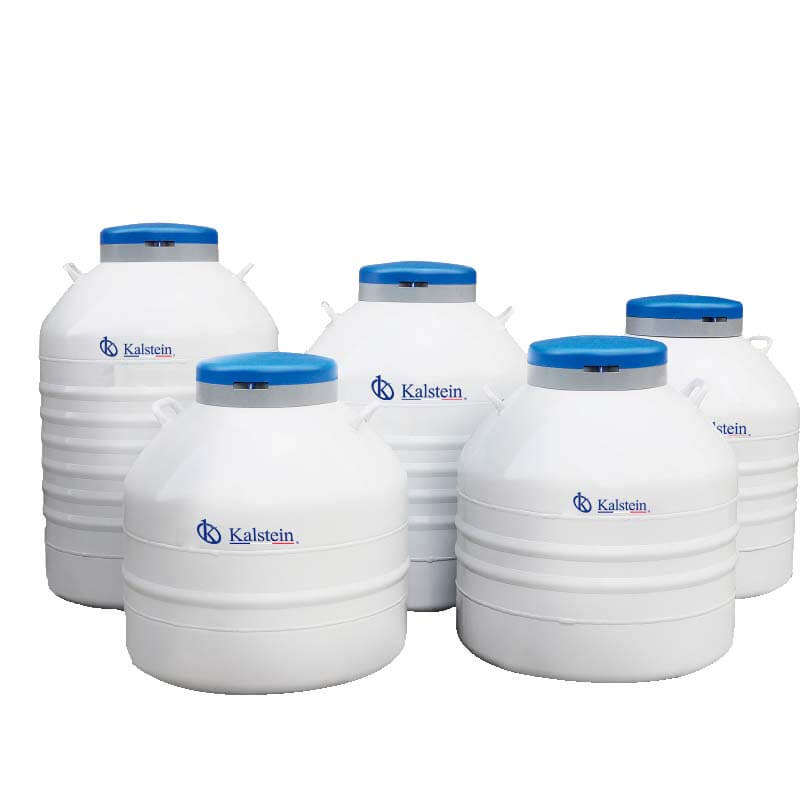
Understanding the Interpretation of Results and Measurement Readings for the YR05358-4 Model
The YR05358-4 model is designed to deliver precise results in various applications. Proper interpretation of readings is crucial to ensure the accuracy and reliability of measurements. This article provides a detailed exploration of how to effectively interpret results obtained from the YR05358-4, ensuring that users can leverage its capabilities to the fullest.
Technical Specifications of the YR05358-4
| Model | Brand | Category | Price (USD) | Weight (Gross) | Dimensions |
|---|---|---|---|---|---|
| YR05358-4 | Kalstein | Nitrogen Tanks | $24.00 | 0 kg | x x |
Fundamentals of Measurement Interpretation
To accurately interpret measurements from the YR05358-4, users must understand key concepts in measurement science. This includes familiarity with measurement units, ranges, and error margins. Understanding these aspects helps in evaluating the significance of results and ensuring they align with expected norms.
Common Measurement Units and Ranges
The YR05358-4 operates within specific measurement units that are critical for standardizing results. Common units include liters, milliliters, and cubic centimeters, depending on the application. Establishing normal ranges for these measurements is vital to distinguish between typical and atypical results, which can influence subsequent actions or decisions.
Error Margins and Their Impact on Results
Error margins can significantly affect the interpretation of results from the YR05358-4. These margins represent the uncertainty inherent in measurements and must be accounted for during analysis. Users should be trained to consider these margins when evaluating data or making critical decisions based on the YR05358-4's output.
Common Misinterpretations of Measurements
Misinterpretations can lead to incorrect conclusions and actions. Users should be aware of common pitfalls such as confusing units or overlooking error margins. Training and experience with the YR05358-4 will help mitigate these risks and enhance the reliability of results.
Worked Examples of Measurement Interpretation
To better illustrate the interpretation process, worked examples can be beneficial. For instance, if a measurement result indicates 5.5 liters and the acceptable range is 5.0 to 6.0 liters, users can confidently conclude that the reading falls within the acceptable range. Documentation of such examples can serve as a reference for users in the field.
Practical Applications of the YR05358-4 in Various Sectors
The YR05358-4 has versatile applications across sectors, including clinical, industrial, and educational environments. Each sector may require specific protocols for interpreting results based on the context of use, making flexibility essential for users. Understanding these unique applications enhances the model's effectiveness in real-world scenarios.
Frequently Asked Questions
How can I ensure accurate readings with the YR05358-4?
To ensure accurate readings, it is important to calibrate the YR05358-4 regularly, maintain the equipment properly, and adhere to the recommended operational guidelines.
What should I do if I receive inconsistent measurements?
If you receive inconsistent measurements, check for possible calibration issues, inspect for equipment faults, and ensure that the environment is stable and conducive for accurate readings.
What are the normal ranges for measurements taken with the YR05358-4?
The normal ranges for measurements depend on the specific application. Users should refer to technical documentation or industry standards relevant to their field.
How do I interpret error margins in my results?
Error margins indicate the uncertainty of a measurement. It is crucial to consider these margins when evaluating whether a result is acceptable or requires further investigation.
What steps can I take to avoid misinterpretation of results?
To avoid misinterpretation, ensure thorough training on measurement techniques, double-check calculations, and consult with colleagues when in doubt about results.
Can the YR05358-4 be used in different sectors?
Yes, the YR05358-4 is applicable in various sectors including clinical, industrial, and educational environments, adapting its use based on specific requirements.
How do I document my measurements effectively?
Effective documentation of measurements includes recording the date, time, environmental conditions, and any relevant observations that may affect the results.
If you are looking for a fusion of innovation and quality, you have come to the right place. At Kalstein, we offer you the luxury of exploring our exclusive catalog of laboratory equipment. We manufacture every device to the highest standards of excellence. Our intuitive and seamless online purchasing channels are designed for your convenience, securing the most competitive prices. Hesitate no longer — we bring science to life, it is time to become part of our community.