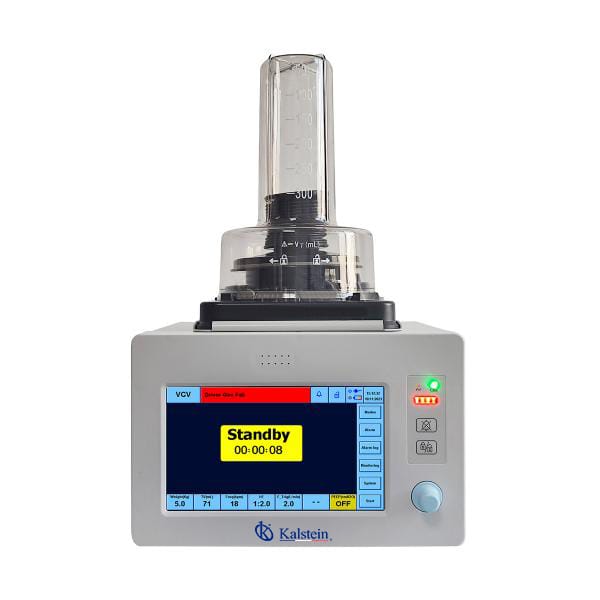
Interpretation of Results and Measurement Reading with the YR06104 Veterinary Anesthesia Ventilator
The YR06104 Veterinary Anesthesia Ventilator is designed for a variety of surgical scenarios involving animals. It is extensively utilized in pet hospitals, animal clinics, scientific research institutions, and various educational settings. Understanding how to interpret the results and readings from this ventilator is crucial for ensuring the safety and efficacy of anesthetic procedures in veterinary practice.
Understanding the YR06104: A Technical Overview
| Specification | Detail |
|---|---|
| Model | YR06104 |
| Tidal Volume (TV) | 20-1500 ml |
| Breathing Rate (Freq) | 1-150 bpm |
| Spontaneous Breathing Rate (Freq_Spont) | 0-150 bpm |
| Inhalation:Exhalation Ratio (I:E) | 9.9:1 - 1:9 adjustable |
| End-expiratory Pressure | 3-20 cmH2O, OFF |
| Driving Gas Pressure | 0-900 kPa |
This table provides essential specifications for the YR06104, highlighting its capabilities in managing anesthesia effectively.
Key Metrics for Measurement Interpretation
Correct interpretation of the metrics displayed by the YR06104 is paramount for ensuring proper anesthesia management. Key metrics include:
- Tidal Volume (TV): This refers to the amount of air delivered to the animal's lungs with each breath. Analyzing the tidal volume is crucial for ensuring that the animal is receiving adequate ventilation.
- Breathing Rate (Freq): This measures how many breaths the ventilator administers per minute. Monitoring this rate can help detect potential respiratory issues.
- Spontaneous Breathing Rate: Understanding the spontaneous rate allows operators to assess whether the animal can breathe on its own and detect any need for assistance.
- Inhalation:Exhalation Ratio (I:E): This is adjustable and affects the distribution of time spent inhaling versus exhaling. Proper adjustment can enhance gas exchange efficiency.
- End-expiratory Pressure: This setting helps in maintaining a baseline pressure in the lungs, which is critical for preventing collapse during ventilation.
Common Errors in Reading Measurements
Veterinary professionals must be vigilant to avoid common misinterpretations of the YR06104's readings:
- Incorrect Tidal Volume Settings: Setting tidal volumes that are too high can lead to barotrauma, while too low can cause hypoventilation.
- Overlooking Spontaneous Breathing: Not recognizing when an animal resumes spontaneous breathing could mean delaying assistance when needed.
- Miscalculating I:E Ratios: Failing to adjust the I:E ratio can lead to inadequate ventilation and oxygenation.
Best Practices for Measurement Reading
To ensure the best outcomes, operators should follow these best practices while using the YR06104:
- Regularly calibrate the device before use to ensure accurate readings.
- Familiarize yourself with the display interface to quickly identify what each reading represents.
- Set alarms for critical values to alert you in case of deviations from normal ranges.
Comparing the YR06104 with Other Ventilation Models
When selecting an anesthesia ventilator, it's essential to compare features. The YR06104 stands out due to:
- Turbo-driven Design: Unlike many ventilators that require high-pressure air sources, the YR06104 can be operated with a simple oxygen concentrator.
- Lightweight and Portable: The design allows for easy transportation between surgical suites.
- Multiple Breathing Modes: It features VCV, PCV, and SPONT modes to accommodate various clinical requirements.
Limitations and Considerations
While the YR06104 is an advanced piece of equipment, it does have limitations. Understanding these can help in making informed decisions:
- It is not ideal for very small animal patients where precise volume settings are critical.
- Training is essential for optimal use; improper handling can lead to adverse outcomes.
Frequently Asked Questions
How do I adjust the tidal volume on the YR06104?
To adjust the tidal volume on the YR06104, access the settings menu on the interface, select the tidal volume setting, and use the control dial to set it between the range of 20 to 1500 ml as required for the specific patient.
What should I do if the YR06104 shows an error code?
If the YR06104 displays an error code, refer to the user manual for specific troubleshooting steps associated with the error. Common fixes include checking connections, ensuring adequate power supply, and resetting the device.
Can the YR06104 be used for all types of animals?
The YR06104 is versatile but is primarily designed for medium to large-sized animals. For very small animals, consult the manufacturer for compatibility and alternate solutions.
What is the importance of the I:E ratio in the YR06104?
The I:E ratio is critical for ensuring optimal ventilation patterns. A proper ratio improves gas exchange and prevents respiratory complications during anesthesia.
How often should the YR06104 undergo maintenance?
The YR06104 should be routinely checked and calibrated according to the manufacturer's recommendations, typically every 6 months or after heavy usage, to ensure accurate performance.
What are the initial setup requirements for the YR06104?
Initial setup includes unboxing, checking all components, connecting the oxygen source, leveling the unit, and performing a calibration check before first use.
Where can I find replacement parts for the YR06104?
Replacement parts can be ordered directly from the manufacturer or authorized dealers. It is essential to use genuine parts to maintain the efficacy and reliability of the ventilator.
If you are looking for a fusion of innovation and quality, you have come to the right place. At Kalstein, we offer you the luxury of exploring our exclusive catalog of laboratory equipment. We manufacture every device to the highest standards of excellence. Our intuitive and seamless online purchasing channels are designed for your convenience, securing the most competitive prices. Hesitate no longer — we bring science to life, it is time to become part of our community.